- Your cart is empty
- Continue shopping
Buy Sarcocaulon peniculinum seeds at CaudexPlants.com. Discover this rare Namibian caudex plant and amazing collector plants for your collection.
$200.00
Availability:11 in stock
If you are searching for Sarcocaulon peniculinum for sale, you have found one of the most fascinating plants for a serious caudex and succulent collection. This unusual species from Namibia is admired by collectors for its distinctive succulent stems, unusual growth habit, beautiful flowers and remarkable adaptation to some of the harshest environments in southern Africa
Whether you are an experienced caudex collector or someone looking for a genuinely unusual plant to grow from seed, Sarcocaulon peniculinum offers something different from ordinary succulents. It belongs to a group of plants that have developed remarkable strategies for surviving dry environments, making them especially appealing to enthusiasts who enjoy rare, unusual and botanical collector plants.
At CaudexPlants.com, we offer Sarcocaulon peniculinum seeds for collectors interested in growing this fascinating species, alongside a diverse selection of rare caudex plants, succulents, seeds and other unusual botanical specimens.
Sarcocaulon peniculinum Moffett is a succulent subshrub in the Geraniaceae family. Kew’s Plants of the World Online currently recognizes Sarcocaulon peniculinum as an accepted species, with Namibia listed as its native range. It naturally occurs in desert and dry shrubland environments.
Collectors may also encounter this species under the name Monsonia peniculina, which is a recognized synonym. The species was originally described as Sarcocaulon peniculinum in 1979, and it was subsequently transferred to the genus Monsonia. Including both names when researching the plant is therefore useful for collectors because specialist growers, nurseries and older references may use either name.
This unusual naming history is part of what makes specialist plants so interesting. When searching for Sarcocaulon peniculinum for sale, collectors may find listings under either Sarcocaulon peniculinum or Monsonia peniculina.
There are countless succulents available today, but rare caudiciform and succulent species appeal to collectors because they offer unusual forms that are difficult to find in ordinary garden centers.
Here are seven reasons why Sarcocaulon peniculinum deserves a place on your collector’s wishlist.
Sarcocaulon peniculinum is not the typical succulent you see in mainstream plant collections. Its specialized appearance and unusual botanical history make it particularly attractive to collectors who want something distinctive.
The genus Sarcocaulon itself contains a relatively small number of accepted species, with Kew currently listing 13 accepted species. Sarcocaulon peniculinum is therefore part of an interesting and specialized group within the Geraniaceae family.
For collectors who already have common succulents, adding an unusual Sarcocaulon can bring an entirely different character to the collection.
One of the most appealing aspects of this plant is its natural origin.
Sarcocaulon p is native to Namibia, a country renowned for its extremely dry landscapes and fascinating succulent flora. Kew classifies the species as a succulent subshrub primarily associated with desert or dry shrubland biomes.
Growing a plant from such an environment gives collectors an opportunity to appreciate how plants adapt to challenging conditions.
Namibia has produced some of the world’s most interesting plants for specialist collectors, and Sarcocaulon peniculinum is an excellent example of that botanical diversity.
The stems are one of the characteristics that immediately attract attention to Sarcocaulon plants.
Sarcocaulon species have succulent stems adapted to dry conditions, and specialist cultivation references describe Sarcocaulon peniculinum as a plant that prefers strong light, well-drained conditions and limited excess moisture.
For caudex enthusiasts, these structural features are particularly appealing. Instead of simply growing for foliage, the plant contributes interesting architectural form to a collection.
As your specimen develops, you can enjoy observing changes in its stems, branching and seasonal growth.
Rare caudex plants are not only about unusual trunks and stems.
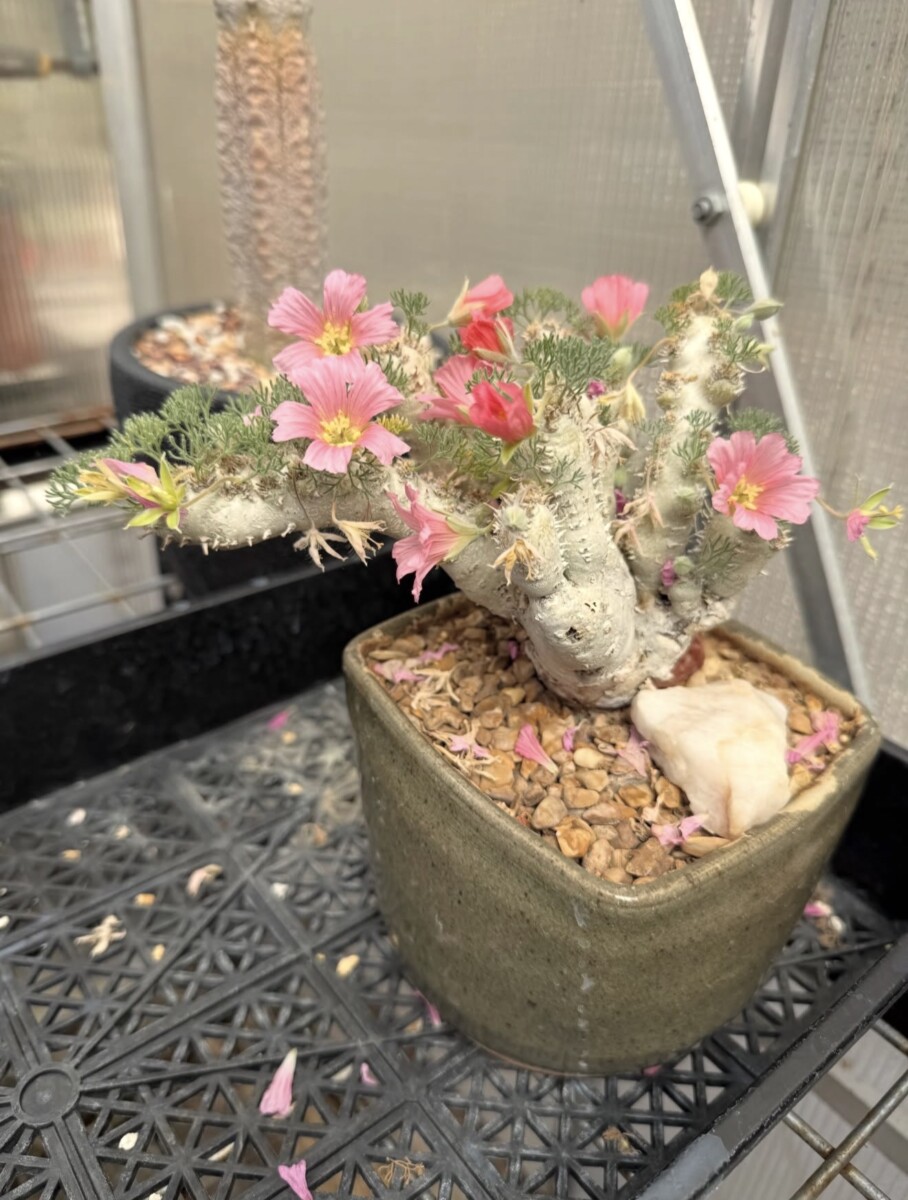
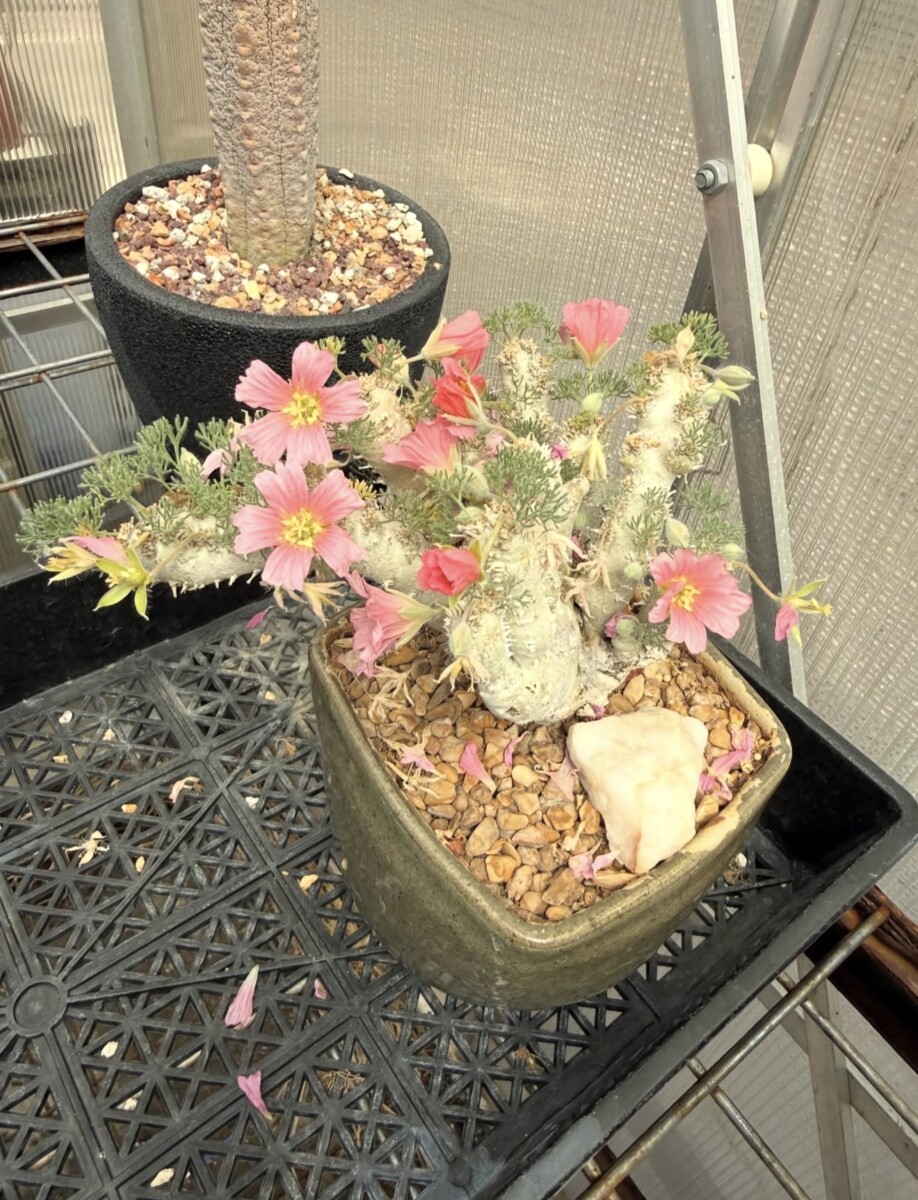
Sarcocaulon peniculinum can produce attractive pale pink to rose-colored flowers, adding another dimension to the plant’s appearance. Specialist caudex references describe the flowers as pale pink to rose.
For collectors, flowering is one of the most rewarding stages of growing a rare species from seed.
Imagine starting with a small packet of seeds and eventually watching your plants develop into mature specimens capable of flowering. That long-term growing experience is one of the main reasons rare plant collectors enjoy growing unusual species.
If you want to grow this species yourself, purchasing Sarcocaulon peniculinum seeds gives you the opportunity to experience the plant’s development from an early stage.
CaudexPlants.com currently lists Sarcocaulon peniculinum seeds for collectors.
Growing from seed can be especially rewarding for collectors because you get to observe every stage of development.
You can watch the seedlings emerge, establish their roots, develop their characteristic succulent growth and eventually mature into more substantial specimens.
For serious plant enthusiasts, that process is often more satisfying than simply purchasing a mature plant.
Before you buy Sarcocaulon peniculinum, it is worth understanding the conditions this species prefers.
Because its natural habitat is extremely dry, successful cultivation depends heavily on providing excellent drainage, strong light and appropriate watering.
Sarcocaulon peniculinum benefits from bright light and strong sun.
Its natural range in Namibia is associated with dry, open environments, so providing adequate light is important when growing it in cultivation.
If you are growing seedlings, introduce them to stronger sunlight gradually rather than moving young plants directly from low light into intense sun.
Once established and properly acclimated, strong light can help encourage compact and healthy growth.
Excellent drainage is essential.
A fast-draining mineral or sandy growing medium is generally more appropriate for a plant adapted to arid conditions than heavy soil that remains wet for long periods.
The objective is to give the roots access to moisture when needed while allowing excess water to escape quickly.
For collectors growing rare caudex plants, investing in a quality growing medium is often one of the best things you can do for your collection.
Watering should be based on the plant’s growth cycle and growing conditions rather than a fixed calendar.
Avoid treating Sarcocaulon peniculinum like a conventional tropical plant that requires constantly moist soil.
During active growth, plants can generally receive more water when the growing medium is allowed to drain properly. During periods of dormancy or reduced activity, watering should be reduced.
Always consider temperature, light, pot size, soil composition and airflow when determining how quickly the growing medium is drying.
Sarcocaulon peniculinum comes from a warm, arid region, so cold and prolonged wet conditions should be avoided.
Collectors growing the plant in cooler climates should provide protection during cold periods and pay particular attention to watering when temperatures fall.
Good airflow combined with a well-draining medium can help create a healthier growing environment.
Growing Sarcocaulon peniculinum from seed can be an exciting project for plant collectors.
Seed-grown plants allow you to follow the entire development of the species rather than beginning with an established specimen.
The general approach is to use a clean, well-draining growing medium and provide suitable warmth, moisture and light during germination and early development.
Once seedlings emerge, avoid overwatering and gradually provide stronger light as they become established.
Patience is important. Rare caudex plants are long-term collector projects, and their value is often found in watching them develop rather than expecting instant results.
Although beginners can certainly experiment with unusual plants, Sarcocaulon peniculinum is particularly attractive to collectors who already understand the basics of succulent and caudex cultivation.
If you have experience managing light, drainage, watering cycles and dormant periods, you will already understand many of the principles needed to cultivate this type of plant.
Its unusual appearance also makes it an excellent addition to a specialist greenhouse, succulent collection, caudex display or botanical growing area.
Buying Sarcocaulon peniculinum does not have to be the end of your collecting journey.
In fact, discovering one rare caudex plant often leads collectors toward other unusual genera.
At CaudexPlants.com, you can explore a wide variety of unusual plants alongside Sarcocaulon, including Adenia, Adenium, Pachypodium, Dorstenia, Euphorbia, Dioscorea, Operculicarya and other collector plants.
This allows you to create a diverse collection featuring plants with different caudex shapes, textures, growth habits and origins.
If you enjoy unusual plants, consider combining Sarcocaulon peniculinum with other drought-adapted species to create a collection that is both visually impressive and botanically interesting
Why Shop Rare Caudex Plants at CaudexPlants.com?
At CaudexPlants.com, our focus is on unusual plants that appeal to collectors who want something beyond conventional houseplants.
Our collection includes rare caudex plants, succulents, seeds and other fascinating botanical specimens.
Whether you are searching specifically for s peniculinum for sale, looking for another unusual succulent, or trying to expand a growing caudex collection, our online catalog gives you the opportunity to discover plants that are not commonly found in ordinary garden centers.
For collectors, finding unusual species is part of the fun.
Every new plant can introduce a different shape, growing pattern, flower, texture or botanical story to your collection.
When shopping online, you may notice that some sellers use the name S peniculinum, while others use Monsonia peniculina.
This can make searching confusing, particularly for people discovering the species for the first time.
The two names refer to the same species in the taxonomic history of the plant. Kew currently lists Sarcocaulon peniculinum as the accepted name and Monsonia peniculina as a synonym.
For this reason, collectors should consider both terms when searching online.
Using both names naturally throughout an informative page can also help your website reach people searching for either botanical name without resorting to unnatural keyword repetition.
Sarcocaulon peniculinum is native to Namibia and occurs primarily in desert and dry shrubland environments.
Yes. Kew describes it as a succulent subshrub. Its succulent growth reflects its adaptation to dry environments.
Monsonia peniculina is a recognized synonym of S peniculinum. The species was originally described under the Sarcocaulon name.
Yes. CaudexPlants.com currently lists Sarcocaulon peniculinum seeds for collectors.
It benefits from strong light and is adapted to bright, dry environments. Young plants should be acclimated gradually to intense direct sunlight.
A fast-draining, sandy or mineral-based growing medium is generally appropriate. The most important consideration is avoiding prolonged water retention around the roots.
It is an unusual specialist collector plant rather than a common garden succulent. Its limited natural range in Namibia and distinctive appearance make it particularly interesting to rare-plant enthusiasts.
Absolutely. Its succulent stems and unusual growth form make it a fascinating addition to specialist succulent and caudex collections.
If you are looking for something genuinely different to add to your plant collection, S peniculinum is an excellent species to consider.
From its Namibian origins to its unusual succulent stems and attractive flowers, this plant offers the kind of character that makes rare caudex plants so rewarding to collect.
Start your collection with S peniculinum seeds, then explore the wider selection of rare plants available at CaudexPlants.com.
Discover unusual Adenia, Adenium, Pachypodium, Dorstenia, Euphorbia, Dioscorea, Operculicarya and other fascinating caudex plants and succulents.
Find your next extraordinary plant at CaudexPlants.com and grow something truly unique.