- Your cart is empty
- Continue shopping
Shop
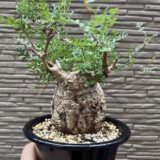
cyphostemma betiforme
cyphostemma bertiforme for sale
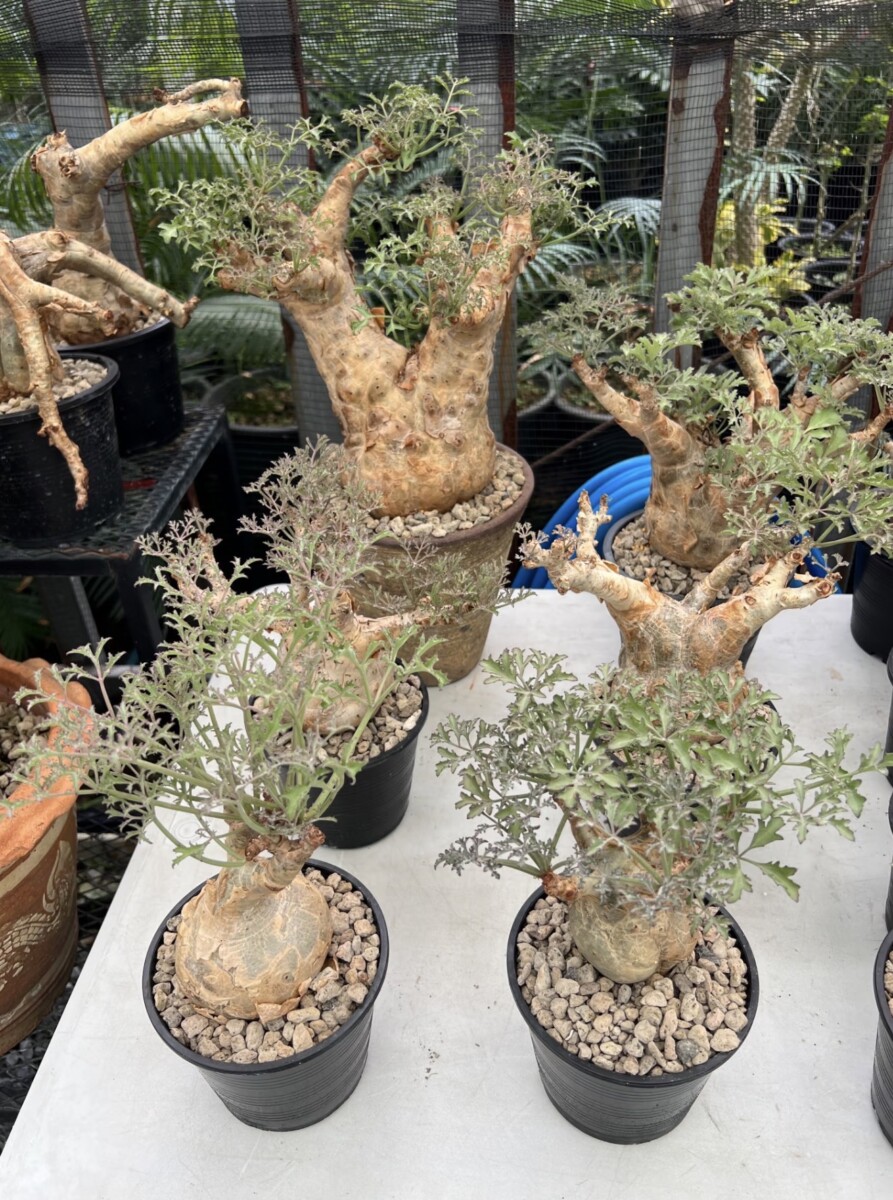
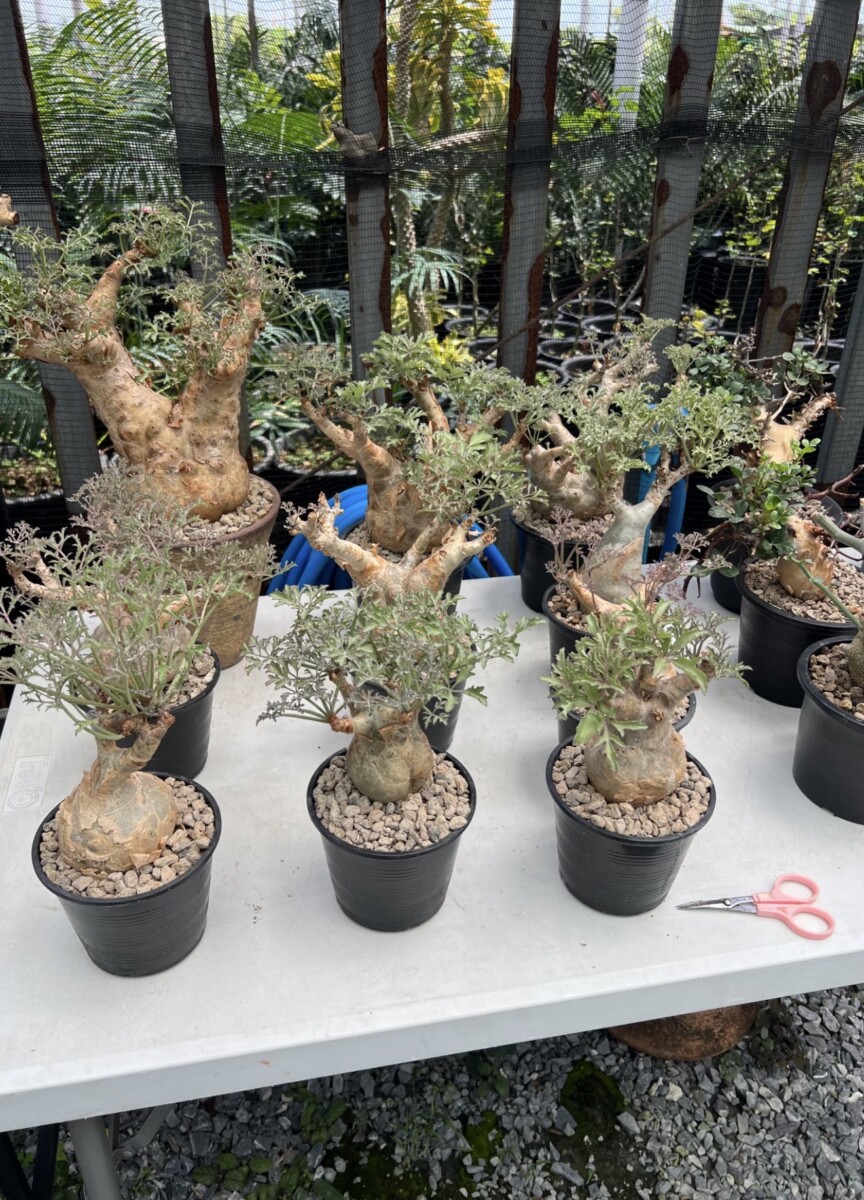
Price range: $79.00 through $100.00
Buy Cyphostemma betiforme from CaudexPlants. Discover this amazing rare caudex plant, plus expert care tips and other exceptional collector plants.
size
Choose an option
Add to cart
Buy Now
7 Amazing Cyphostemma betiforme Care & Buying Tips
Cyphostemma betiforme is an extraordinary caudex plant prized by collectors for its unusual swollen trunk, attractive foliage, and distinctive sculptural appearance. For anyone building a collection of rare caudiciform plants, this fascinating species offers something very different from ordinary succulents and houseplants.
At CaudexPlants, we specialize in unusual, exotic, and collectible caudex plants for enthusiasts who appreciate plants with exceptional shapes and interesting adaptations. If you are searching for Cyphostemma betiforme for sale, this species deserves a place on your collector’s list.
Cyphostemma betiforme belongs to the Vitaceae, the same plant family that includes grapevines. Unlike the familiar climbing vines associated with the family, however, Cyphostemma betiforme develops a remarkable swollen, succulent-like trunk that allows it to survive in challenging dry environments. Kew lists the species as a caudex subshrub native to southeastern Ethiopia and northeastern Kenya, where it grows primarily in desert and dry shrubland habitats.
What Is Cyphostemma betiforme?
Cyphostemma betiforme is a rare caudiciform plant with a highly distinctive growth habit. The species develops a swollen, flask-shaped to almost spherical trunk that can become the main visual feature of a mature specimen. According to botanical descriptions, the caudex can reach approximately 1 meter in height and is covered with yellowish-white to pale brown bark that flakes away in irregular papery pieces.
This unusual trunk is one of the biggest reasons collectors seek out Cyphostemma betiforme. Rather than simply growing upward like a conventional succulent, the plant develops a character-filled caudex that becomes increasingly interesting as the specimen matures.
The branches are relatively sparse, while the fleshy leaves tend to cluster toward the ends of the shoots. The leaves may be divided into several leaflets and have toothed or denticulate margins, adding another layer of visual interest to the plant.
For collectors of caudex plants, this combination of a swollen trunk, peeling bark, branching structure, and seasonal foliage makes Cyphostemma betiforme particularly appealing.
Why Collect Cyphostemma betiforme?
There are many reasons experienced plant collectors are attracted to rare caudiciform species, and Cyphostemma betiforme checks several of those boxes.
1. A Truly Unusual Caudex
The swollen caudex is the defining feature of Cyphostemma betiforme. Its unusual shape gives the plant a sculptural appearance that can make it look more like a botanical artwork than a conventional garden plant.
As the plant develops, the trunk and bark can become increasingly characterful. This makes older specimens especially interesting to collectors who enjoy watching caudex plants develop over many years.
2. Rare and Collectible
Rare caudex plants are attractive because they provide collectors with an opportunity to grow species that are not commonly found in ordinary garden centers.
Cyphostemma betiforme is particularly interesting for enthusiasts who want to expand beyond familiar caudex genera such as Adenia, Dioscorea, Pachypodium, Fockea, and other popular collector plants.
If your goal is to build a collection that attracts attention, adding a distinctive Cyphostemma species can give your collection another unique focal point.
3. Fascinating Botanical Adaptations
Cyphostemma betiforme comes from dry environments where plants must cope with seasonal water availability. Its swollen caudex is part of what makes the species so fascinating from a botanical perspective.
Kew records the species from southeastern Ethiopia to northeastern Kenya and describes its natural environment as desert or dry shrubland.
For collectors, this is more than an attractive feature. It provides an opportunity to observe how a specialized plant has evolved a distinctive form suited to challenging environmental conditions.
Cyphostemma betiforme Care Guide
Growing Cyphostemma betiforme successfully starts with understanding that it is a caudex plant adapted to dry conditions. The most important principles are excellent drainage, appropriate light, careful watering, and protection from unsuitable cold conditions.
Light Requirements
Cyphostemma betiforme generally benefits from a bright growing environment. A location with strong natural light can help maintain healthy growth and encourage the development of a compact, attractive plant.
When moving a plant from a lower-light environment to stronger direct sunlight, make the transition gradually. Sudden exposure to intense sunlight can stress plants that have not been acclimated.
For indoor collectors, a bright window, greenhouse, conservatory, or another location with abundant light can be suitable.
Soil and Drainage
Excellent drainage is essential when growing caudex plants.
A heavy soil that stays wet for extended periods can create unfavorable conditions around the roots. Instead, use a porous, fast-draining growing medium designed for caudiciforms, succulents, or other plants that dislike constantly wet roots.
A suitable mix should allow excess water to move away quickly while still providing enough structure for healthy root development.
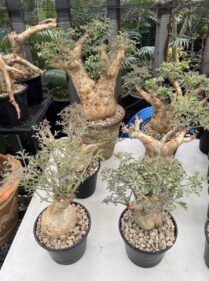
A pot with adequate drainage holes is equally important.
Watering Cyphostemma betiforme
Watering should be adjusted according to the plant’s growth cycle, temperature, light levels, and growing medium.
During active growth, the plant can generally receive more water than during dormancy. However, the soil should not remain constantly saturated.
Allowing the growing medium to dry appropriately between waterings is one of the most important habits for successfully growing caudex plants.
During cooler periods or when the plant is dormant, watering should be reduced significantly. Avoid following a rigid calendar and instead observe the plant and its growing conditions.
The biggest mistake many new caudex collectors make is treating a drought-adapted caudex plant like a conventional tropical houseplant.
Temperature and Seasonal Growth
Cyphostemma betiforme is associated with warm, dry habitats, so it is best grown in conditions that remain comfortably warm during active growth.
Cold, wet conditions are particularly undesirable for many caudex plants. If temperatures fall significantly, reduce watering and protect the plant from prolonged cold and moisture.
Collectors growing Cyphostemma betiforme outside its natural climate may find that a greenhouse, indoor growing area, or protected patio provides greater control over temperature and moisture.
The exact growth cycle can vary depending on the climate in which the plant is cultivated. Learning to recognize when your individual specimen is actively growing or becoming dormant will help you adjust watering and care accordingly.
How Fast Does Cyphostemma betiforme Grow?
Cyphostemma betiforme should be viewed as a collector plant rather than a fast-growing landscape plant.
Caudex plants are often appreciated for the gradual development of their distinctive forms. The swollen trunk, branching structure, and bark characteristics can become more interesting as the plant matures.
This is one of the pleasures of collecting caudiciforms: you are not simply purchasing a finished decorative plant. You are investing in a living specimen whose appearance can change substantially over time.
Patience is therefore one of the most valuable tools for growing Cyphostemma betiforme.
Cyphostemma betiforme for Sale
If you are searching online for Cyphostemma betiforme for sale, it is important to purchase from a seller that understands rare caudex plants.
At CaudexPlants, our collection focuses on unusual caudex plants, rare succulents, seedlings, and seeds for collectors looking for something beyond common nursery varieties. Our current shop includes a selection of unusual genera and species, including Cyphostemma and other collectible caudex plants.
When purchasing a rare caudex plant, consider the plant’s overall condition, caudex development, root health, growing stage, and shipping requirements.
A healthy specimen can become a long-term centerpiece of your collection.
Is Cyphostemma betiforme Good for Beginners?
Cyphostemma betiforme can be rewarding for beginners who are willing to learn the basic principles of caudex plant care.
The most important thing is not to overcomplicate the process.
Provide:
- Bright light
- A warm growing environment
- A porous, well-draining soil mix
- A container with excellent drainage
- Careful watering
- Reduced moisture during dormancy
- Protection from prolonged cold and excessive wet conditions
New collectors should especially resist the temptation to water too frequently. Caudex plants are designed to deal with periods of limited water, and constantly wet soil can create more problems than allowing the plant to dry appropriately.
Where Does Cyphostemma betiforme Grow Naturally?
Cyphostemma betiforme has a fascinating geographic distribution. Kew records its native range as extending from southeastern Ethiopia to northeastern Kenya, with the species primarily associated with desert and dry shrubland habitats.
Its natural environment helps explain many of its physical characteristics.
The swollen trunk is an especially important adaptation for a plant living in areas where water may not always be consistently available. The pale, peeling bark and fleshy foliage also contribute to its distinctive appearance.
Understanding a plant’s natural habitat can be extremely useful for collectors because it provides clues about how to recreate suitable growing conditions at home.
Cyphostemma betiforme vs. Cyphostemma bertiforme
When searching for this plant online, you may encounter both Cyphostemma betiforme and Cyphostemma bertiforme.
For SEO purposes, it is useful to understand this distinction.
The accepted botanical name listed by Kew is Cyphostemma betiforme (Chiov.) Vollesen.
However, the alternative spelling Cyphostemma bertiforme is commonly used on some online plant listings, including existing CaudexPlants pages.
For your website, I recommend making Cyphostemma betiforme the primary keyword in the page title, H1, URL where practical, introduction, image alt text, meta title, and meta description. You can naturally mention “Cyphostemma bertiforme” once or twice as a commonly encountered spelling rather than making it the primary term.
This gives you the opportunity to capture searches from customers using either spelling while keeping the page botanically accurate.
Other Rare Caudex Plants to Explore
If you love Cyphostemma betiforme, there are many other fascinating caudex and collector plants worth exploring.
CaudexPlants offers a range of unusual plants and seeds, including species and genera such as Pachypodium, Dorstenia, Euphorbia, Fockea, Operculicarya, Boswellia, Jatropha, Stephania, Adenia, and other rare collector plants.
Consider building a collection around different caudex shapes, growth habits, and geographic origins.
A collection combining different species can be especially rewarding because no two caudex plants develop in exactly the same way.
Tips for Buying Rare Caudex Plants Online
Before ordering Cyphostemma betiforme or another rare caudex plant online, consider the following:
Check the Botanical Name
Rare plants can have synonyms, spelling variations, and outdated names. Confirming the accepted botanical name helps you research the species accurately.
Consider the Plant’s Size
A small juvenile plant may require years of cultivation before developing the dramatic appearance associated with mature specimens. Larger specimens may provide more immediate visual impact.
Understand Seasonal Dormancy
Many caudex plants change dramatically throughout the year. Some may lose their leaves during dormancy and appear almost inactive. This does not necessarily mean the plant is unhealthy.
Prioritize Proper Shipping
Rare plants require careful packaging and handling. A reputable seller should understand how to prepare plants for transportation while minimizing stress and physical damage.
Follow the Care Instructions
After receiving your plant, avoid immediately changing everything about its growing environment. Give it time to acclimate and gradually establish itself.
Build Your Rare Plant Collection With CaudexPlants
For collectors, Cyphostemma betiforme represents everything that makes caudex plants fascinating: an unusual swollen trunk, distinctive growth, fascinating adaptations, and a form that becomes increasingly attractive as the plant matures.
Whether you are an experienced caudex collector or discovering these plants for the first time, Cyphostemma betiforme is an excellent species to learn about and grow.
If you are ready to add this remarkable plant to your collection, explore the Cyphostemma betiforme available at CaudexPlants and discover our wider selection of rare caudex plants, unusual succulents, seedlings, and seeds.
Your next collector plant may be the one that becomes the centerpiece of your entire collection.
Shop rare caudex plants at CaudexPlants and discover extraordinary plants for extraordinary collections.
| size | medium, large |
|---|