
- Your cart is empty
- Continue shopping
Shop
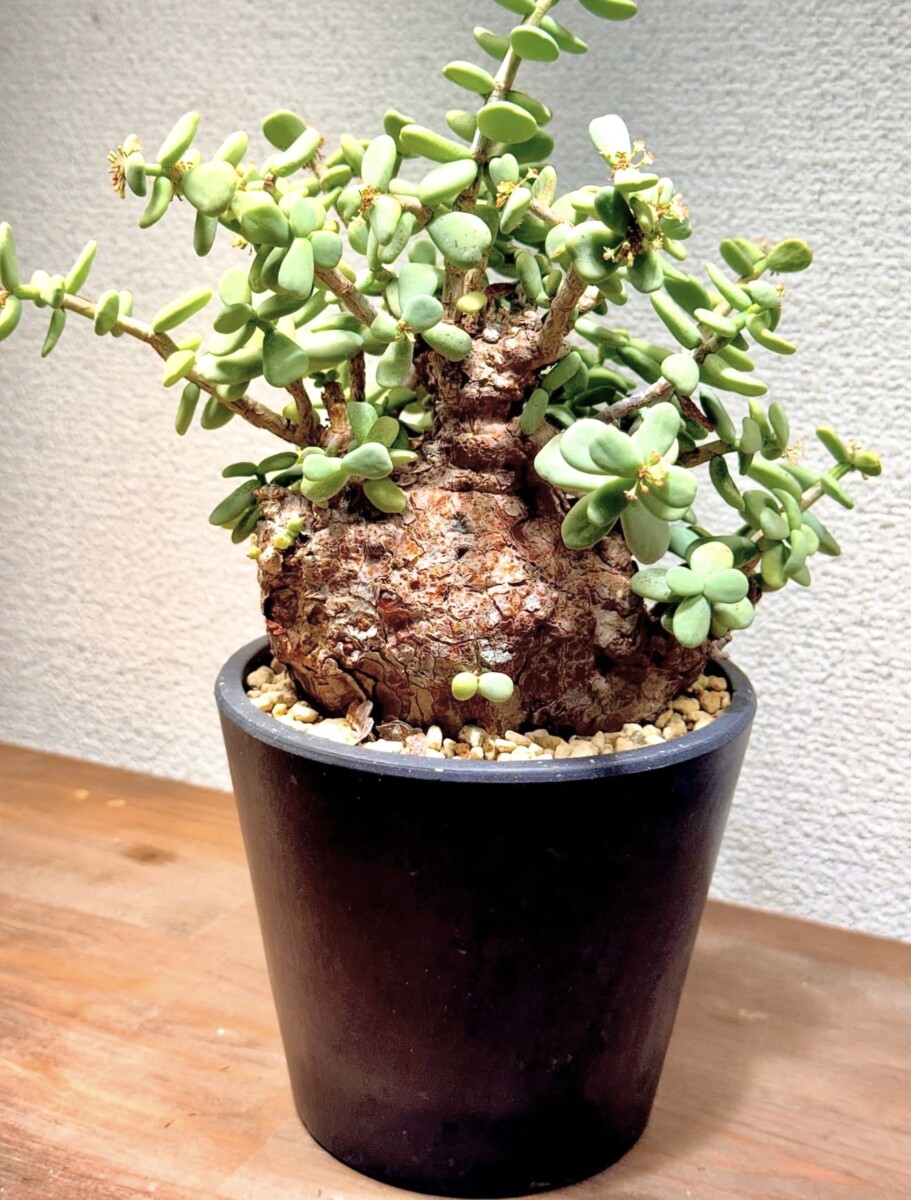
Ceraria pygmaea
ceraria pygmaea
-56%


Original price was: $200.00.$87.99Current price is: $87.99.
Availability:18 in stock
Add to cart
Buy Now
Ultimate Ceraria pygmaea: 7 Reasons to Buy
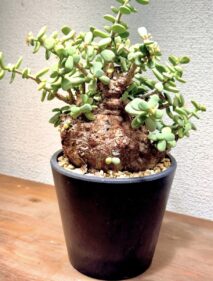
Looking for a truly fascinating Ceraria pygmaea to add to your rare plant collection? Also known botanically as Portulacaria pygmaea, this unusual dwarf succulent is highly appreciated by caudex plant enthusiasts for its compact growth, swollen water-storing base, woody branches, and miniature tree-like appearance. At Caudex Plants, we are passionate about bringing distinctive caudex plants, succulents, and unusual collector specimens to plant enthusiasts around the world.
Buy Ceraria pygmaea for Your Rare Plant Collection
Ceraria pygmaea for sale is a popular search among collectors who want something different from ordinary houseplants and common succulents. This species has a distinctive caudiciform structure that gives it an appearance unlike many conventional succulent plants.
The accepted botanical name is Portulacaria pygmaea, while Ceraria pygmaea remains a widely recognized synonym. Kew’s Plants of the World Online lists Portulacaria pygmaea as the accepted name and Ceraria pygmaea as a synonym.
For collectors, the name matters because searches for both Ceraria pygmaea and Portulacaria pygmaea can lead to the same fascinating plant. Including both terms naturally in your plant information allows enthusiasts to find the species regardless of which botanical name they use.
What Makes Ceraria pygmaea So Special?
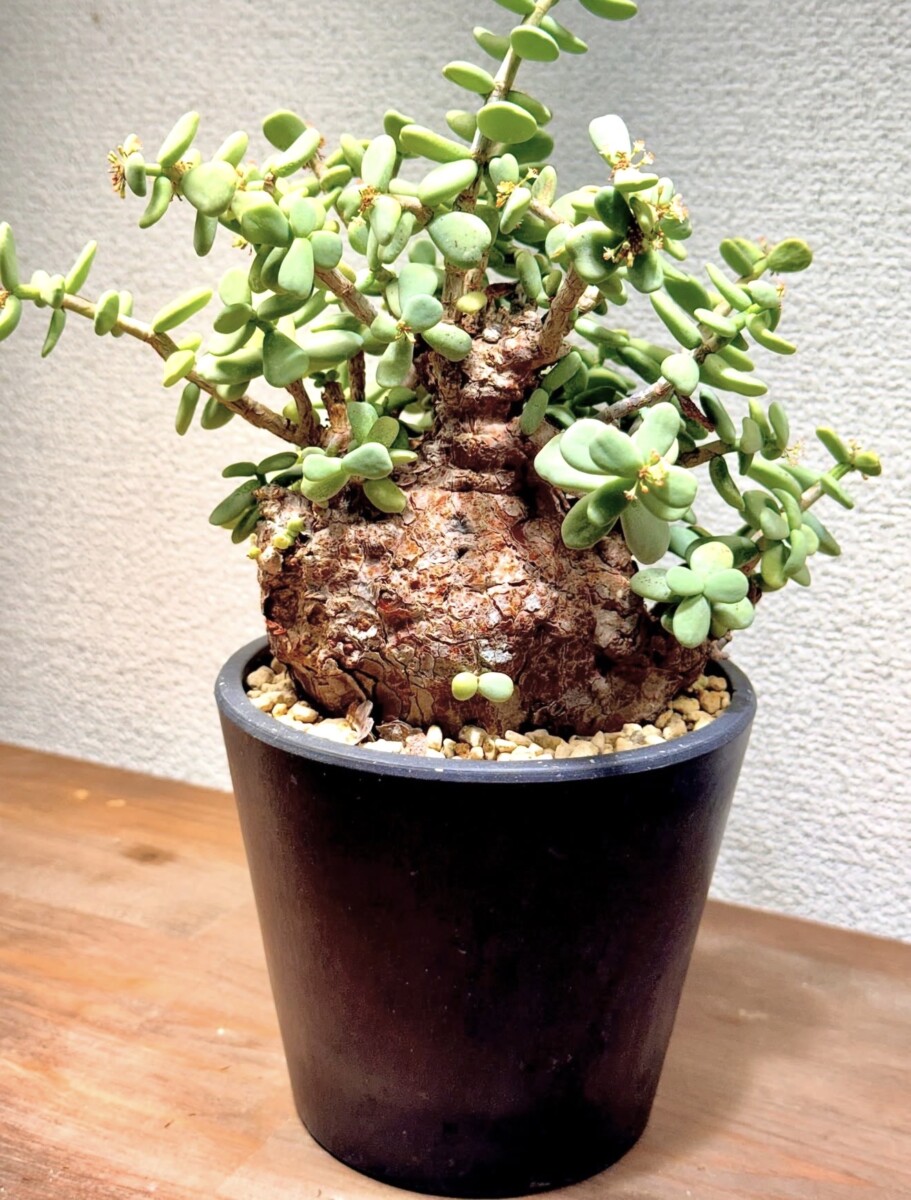
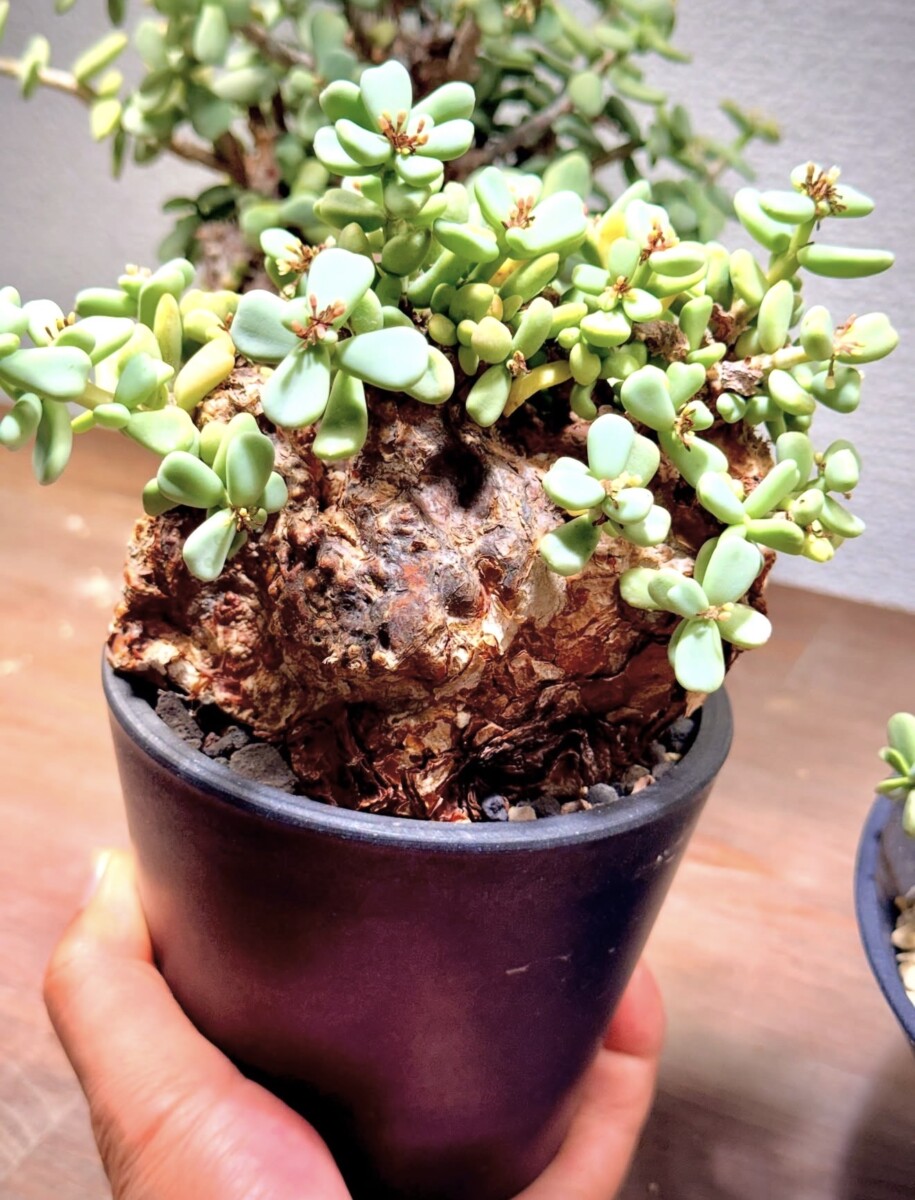
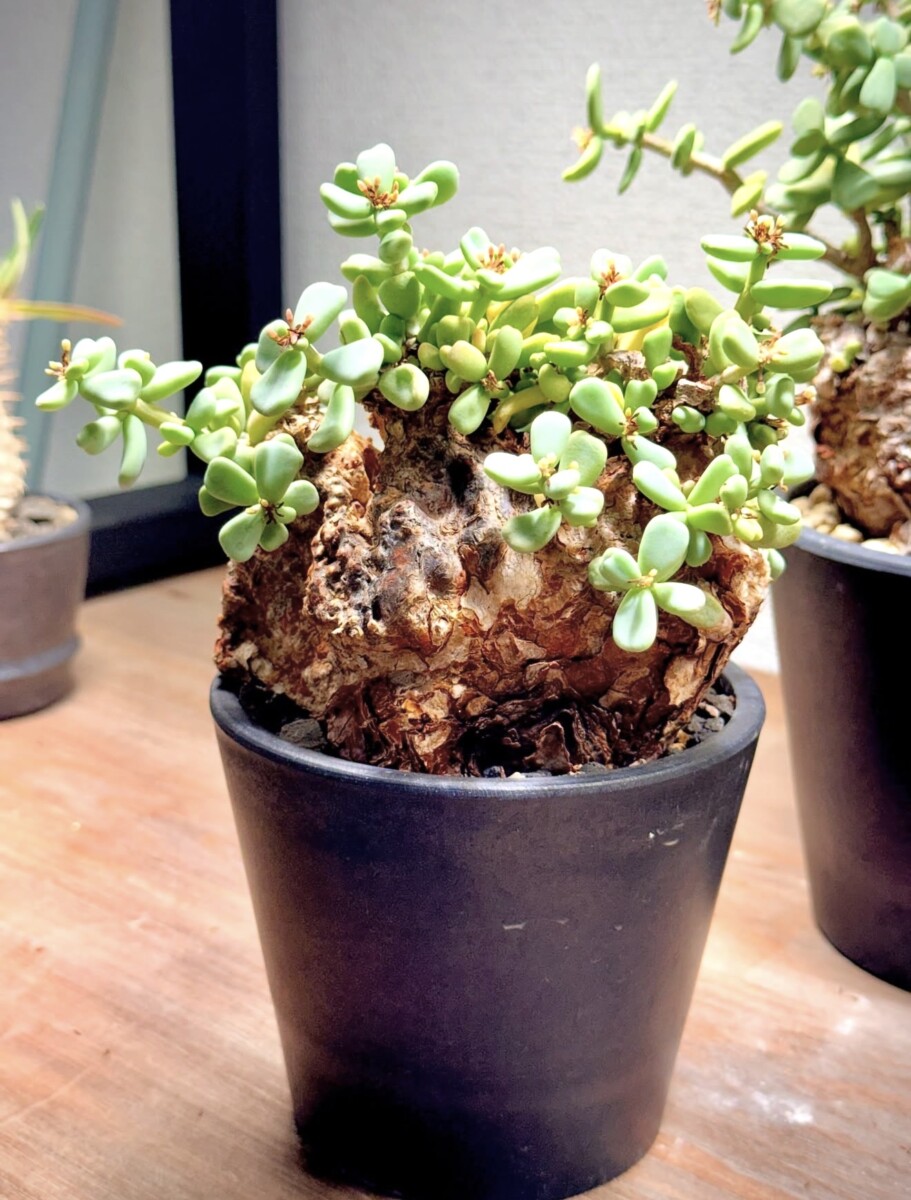
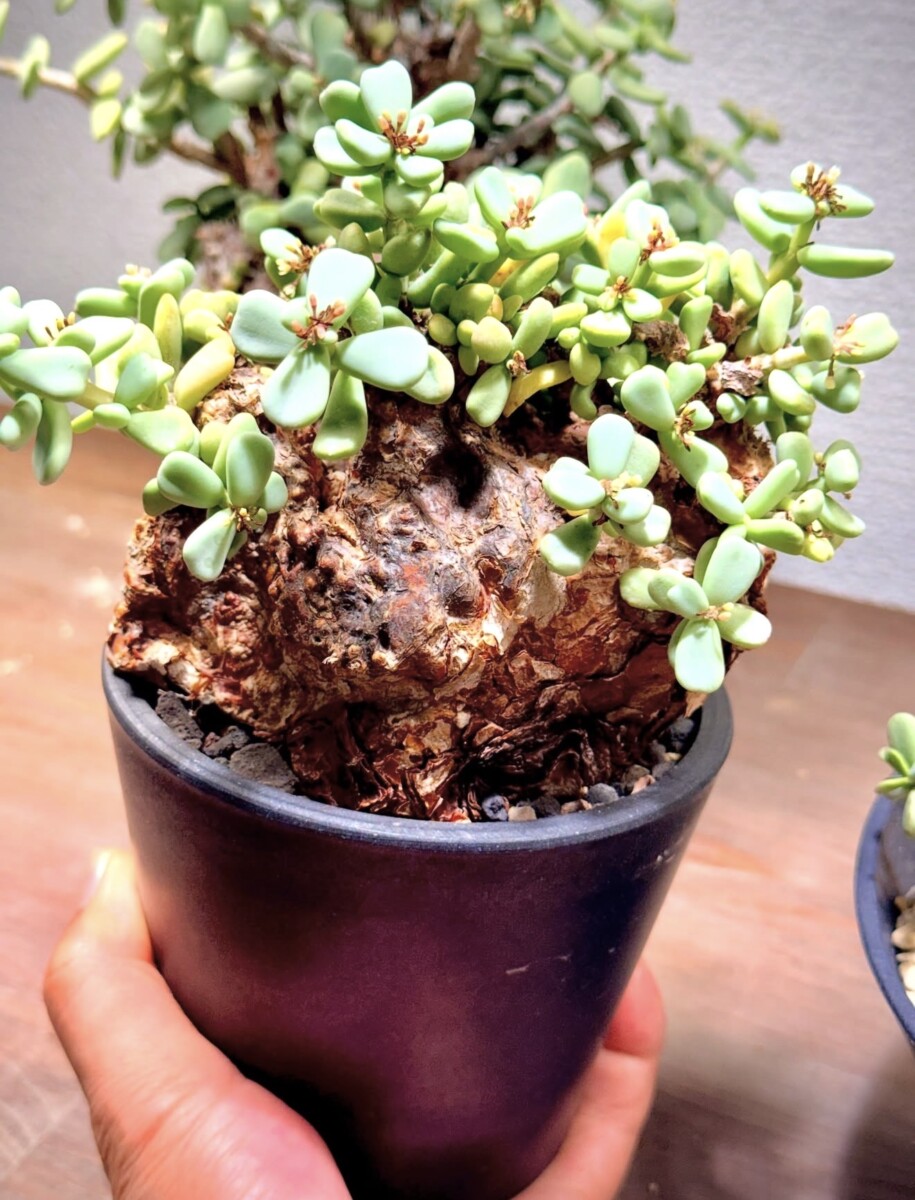
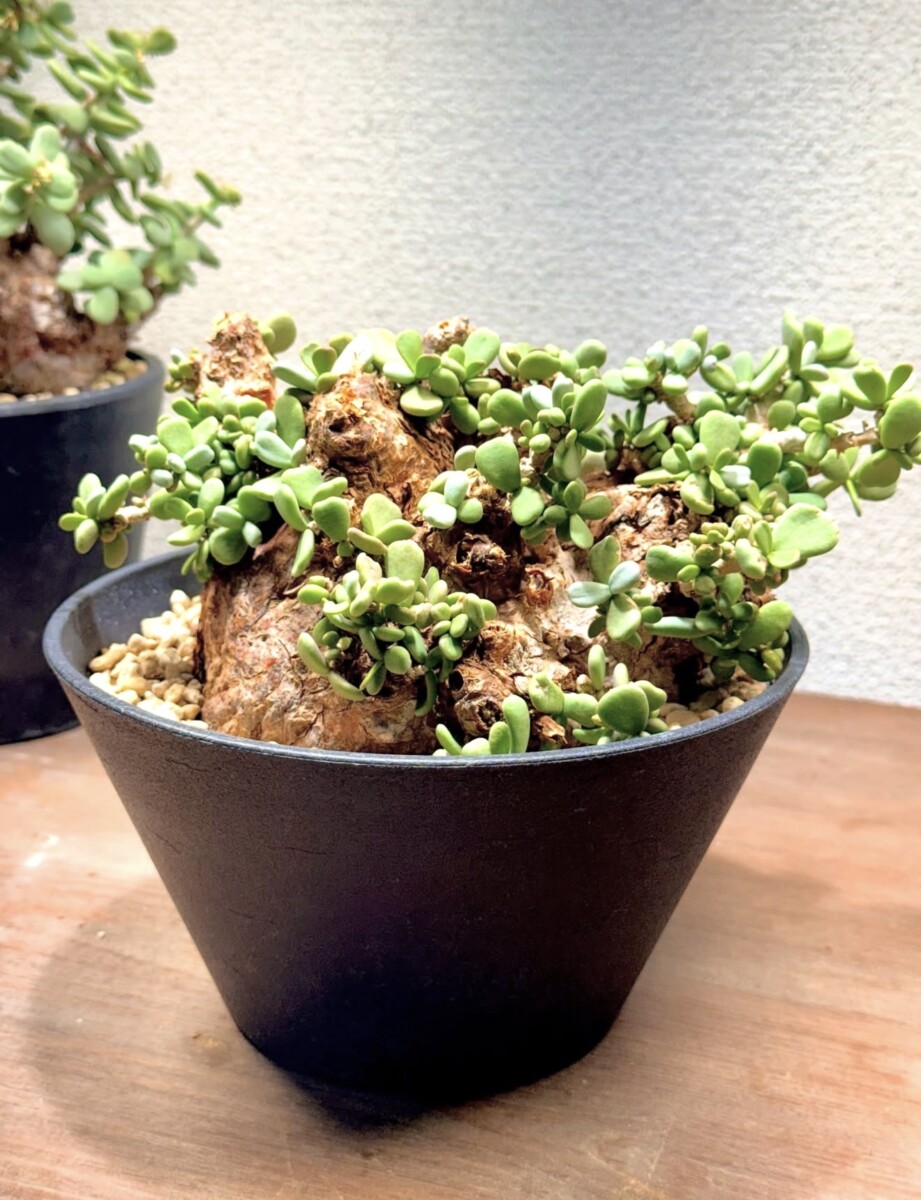
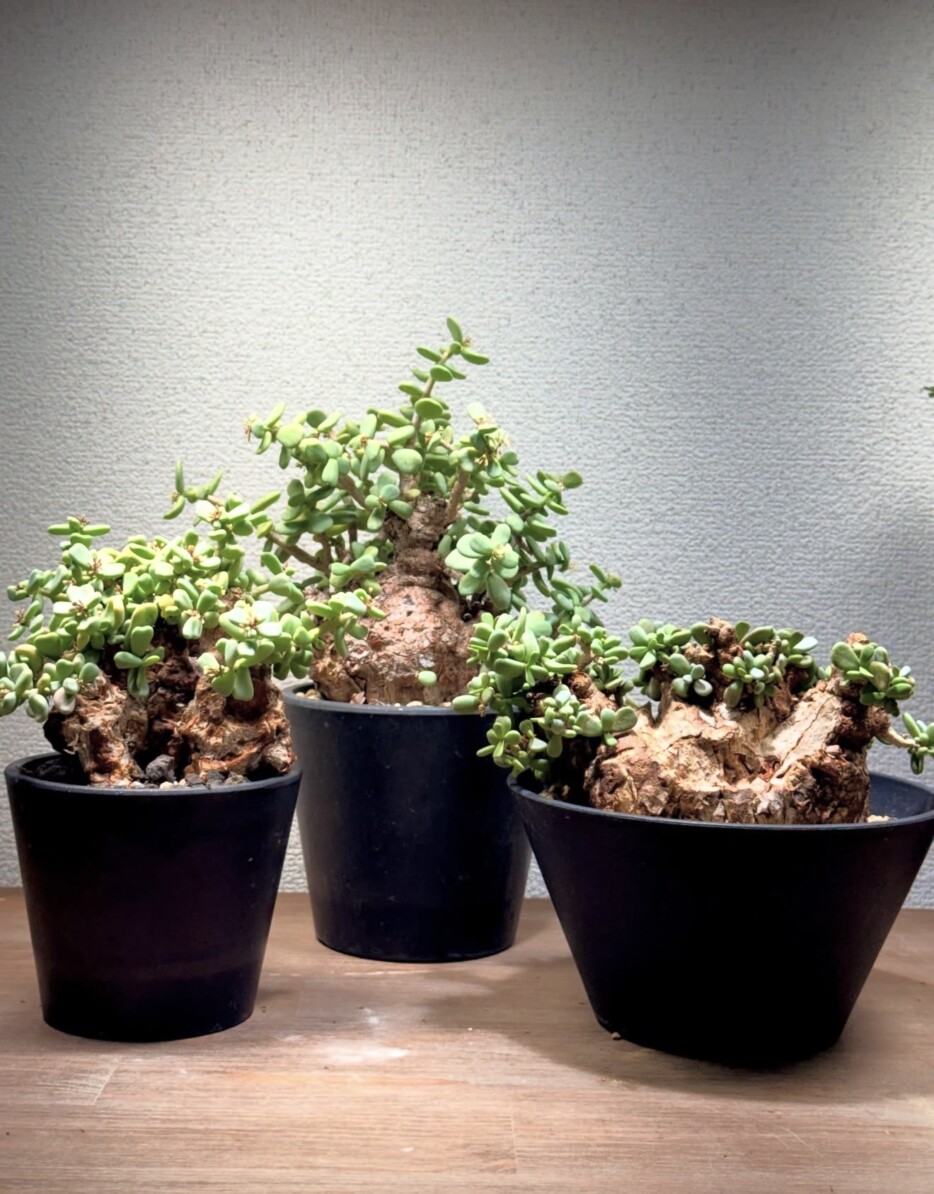
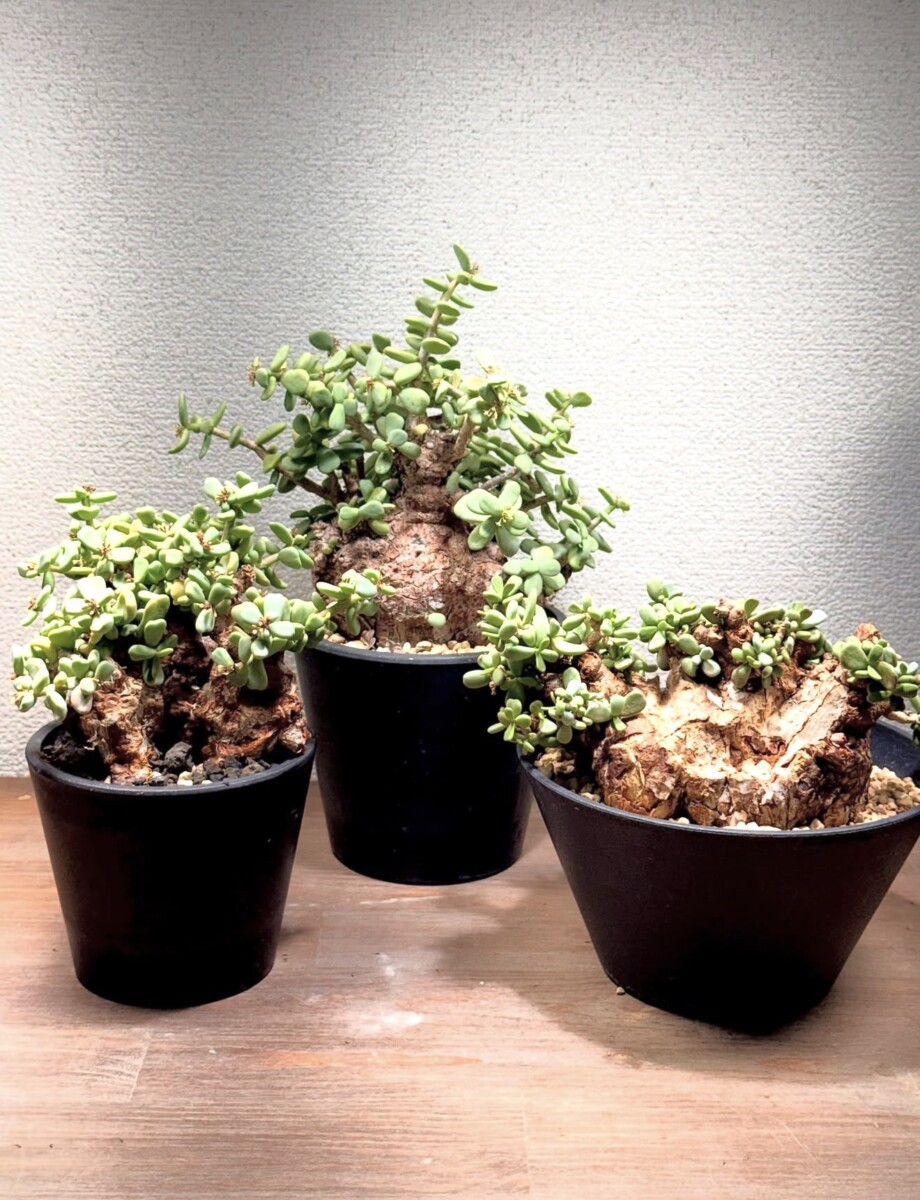
One of the biggest attractions of Ceraria pygmaea is its unusual caudex. The plant develops a swollen, tuberous base that stores water and gives the specimen a miniature, sculptural appearance. Mature plants can remain remarkably compact, making them particularly attractive to collectors interested in caudex plants and bonsai-style specimens.
The South African National Biodiversity Institute describes Portulacaria pygmaea as a dwarf, compact succulent shrublet with a tuberous succulent base, small grey-green succulent leaves, and a partially exposed swollen stem.
Its natural distribution is associated with the dry regions around the lower Orange River Valley of South Africa and adjacent Namibia. Kew also records its native range as southwestern Namibia to the northwestern Cape Provinces.
This fascinating origin helps explain the plant’s adaptation to dry conditions and its ability to store water within its succulent structures.
A Beautiful Miniature Caudex Plant
If you love rare caudex plants, Ceraria pygmaea deserves a place on your wish list. Unlike large caudiciforms that can eventually require considerable space, this species has a naturally compact growth habit.
The plant forms short branches and small succulent leaves around its swollen base, creating an attractive miniature landscape in a pot. SANBI describes plants reaching approximately 200 mm in height and 300 mm in width, with the caudex capable of becoming significantly swollen relative to the plant’s overall size.
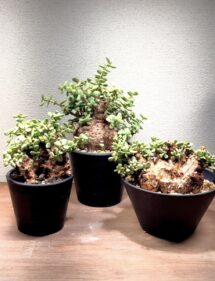
That compact form makes Ceraria pygmaea particularly appealing for:
- Rare plant collectors
- Caudex plant enthusiasts
- Succulent collectors
- Bonsai-inspired displays
- Greenhouse collections
- Indoor plant enthusiasts with suitable lighting
- Growers interested in unusual South African plants
- Experienced collectors looking for distinctive specimens
Ceraria pygmaea Care
Successful cultivation begins with understanding the plant’s natural environment. Ceraria pygmaea is adapted to dry conditions, so good drainage and careful watering are important.
SANBI recommends growing the plant in containers, particularly outside its naturally dry habitat. It performs well in full sunlight, while plants grown in dappled shade may develop larger leaves.
A fast-draining growing medium is especially important for caudex plants. A gritty succulent or cactus mix containing materials such as pumice, perlite, coarse sand, or other drainage-enhancing components can help excess water move away from the roots.
The goal is to provide a growing environment that does not remain excessively wet.
Light
Give your Ceraria pygmaea plenty of bright light. Strong natural light can help maintain compact growth and attractive foliage.
When growing indoors, a bright window or suitable supplemental grow light can be useful. When moving a plant into stronger sunlight, gradual acclimation is recommended to reduce the possibility of sun stress.
Watering
Because this is a succulent caudex plant, watering should be approached carefully. Allowing the growing medium to dry appropriately between watering sessions can help reduce the risk associated with prolonged excess moisture.
During periods of active growth, the plant may require more frequent watering than during cooler or dormant periods. Always consider temperature, light, soil composition, pot size, and the plant’s current growth activity rather than following a rigid watering schedule.
Soil
A fast-draining soil mix is one of the most important considerations when growing Ceraria pygmaea.
Avoid heavy soil that remains wet for extended periods. A gritty, porous medium can provide the drainage and aeration that caudex plants generally appreciate.
SANBI specifically recommends a sandy medium incorporating gravel and garden loam for growing Portulacaria pygmaea.
Ceraria pygmaea as a Collector’s Plant
Part of the appeal of Ceraria pygmaea is that it rewards patience. Caudex plants are often collected not simply for rapid growth but for their long-term development and unusual architecture.
The swollen base, woody branches, small leaves, and compact habit create a living sculpture that can become increasingly interesting as the plant matures.
This is one reason collectors often search for terms such as:
Ceraria pygmaea for sale
Buy Ceraria pygmaea
Ceraria pygmaea plant
Portulacaria pygmaea for sale
Rare caudex plants
Rare succulent plants
Caudiciform plants for sale
By offering quality plants and useful information, Caudex Plants can serve both experienced collectors and newcomers discovering the world of caudiciform plants for the first time.
Why Choose Caudex Plants?
At Caudex Plants, our goal is to make discovering unusual plants exciting and accessible. Our collection extends beyond Ceraria pygmaea, giving plant enthusiasts the opportunity to explore a wider selection of rare and interesting plants.
Whether you are specifically searching for Ceraria pygmaea or simply browsing for your next collector plant, our website is designed for people who appreciate unusual forms, distinctive caudex structures, rare succulents, and plants that stand out from the ordinary.
Explore our collection at caudexplants.com and discover unusual plants that can bring something exceptional to your collection.
Explore More Rare Caudex Plants
If Ceraria pygmaea has caught your attention, there are many other fascinating caudex and succulent plants worth exploring.
Collectors may also enjoy discovering unusual species such as Pachypodium, Adenium, Stephania, Operculicarya, Fouquieria, Welwitschia, and other distinctive caudiciform and succulent plants.
Each species offers something different. Some develop dramatic swollen trunks, some produce unusual foliage, while others become prized because of their rarity, growth form, or unusual natural habitat.
Building a collection around different caudex plants can be especially rewarding because every specimen develops its own character over time.
Ceraria pygmaea: A Small Plant With a Big Personality
There is something particularly appealing about miniature plants that resemble ancient trees. Ceraria pygmaea captures this character beautifully with its compact structure, woody branches, succulent foliage, and swollen caudex.
Its small size does not make it ordinary. Instead, its unusual proportions and caudiciform base make it a fascinating collector’s plant.
For anyone searching for a rare caudex plant for sale, Ceraria pygmaea is an excellent species to investigate. Its distinctive appearance makes it suitable for collectors who want to grow something that immediately stands apart from typical succulents.
Start Your Rare Plant Collection Today
Whether you are an established caudex collector or purchasing your first unusual succulent, Ceraria pygmaea can be an exciting addition to a carefully curated collection.
The combination of a fascinating caudex, compact growth, succulent leaves, and miniature tree-like appearance makes this species especially attractive to enthusiasts of rare plants.
Take your time, learn the plant’s requirements, provide excellent drainage and appropriate light, and enjoy watching your specimen develop.
Ready to discover your next collector plant?
Explore Ceraria pygmaea and other rare caudex plants at Caudex Plants today.
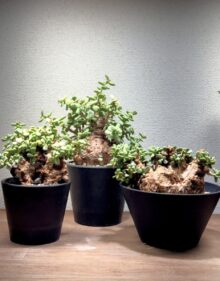
Browse the collection at caudexplants.com and find unusual plants for your growing collection.