
- Your cart is empty
- Continue shopping

The Ultimate Guide to One of the World’s Most Captivating Miniature Succulents
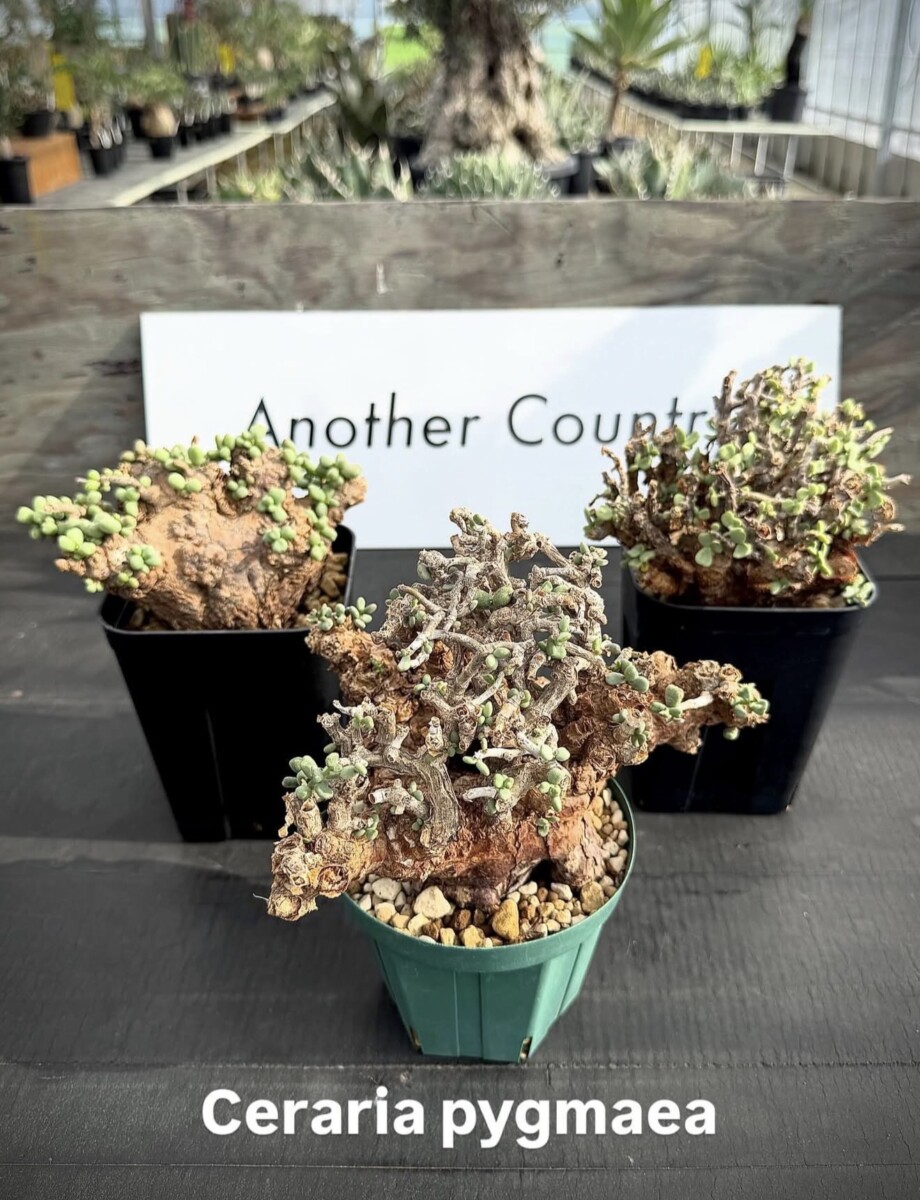
Ceraria pygmaea:Across the plant world, few species have captured the attention of collectors, designers, and enthusiasts the way miniature succulents have. But among all these compact marvels, one species stands out as an unforgettable centerpiece of charm, structure, and botanical mystery: ceraria pygmaea. Loved for its tiny appearance, bonsai-like profile, and sculptural beauty, this plant has become an international favourite for gardeners, indoor plant stylists, and rare succulent enthusiasts.Join our facebook group to interact with other plants enthusiast .Check out other interesting plants like pachypodium gracilius ,encephalartos horridus
As global interest in tiny, drought-tolerant, low-maintenance plants continues to rise, this species has quickly become one of the most searched-for topics online. People are not only mesmerized by its miniature tree form but also fascinated by its resilience and ability to adapt to a variety of environments. In this extensive guide, you will discover everything that makes this species irresistibly appealing—from its origins and growth patterns to care strategies, styling inspiration, and collector insights.Shop other beautiful plants here caudexplants.com
This description has been designed with top search topics in mind, including care, propagation, natural habitat, soil composition, watering schedules, seasonal growth rhythms, repotting techniques, styling displays, indoor plant trends, and collecting rare species. By the end, you’ll understand why plant lovers worldwide appreciate the rare beauty of ceraria pygmaea, and why this plant continues to trend across Google searches, online plant communities, and social platforms dedicated to the art of small-scale greenery.
A Journey Into the Origins of an Extraordinary Succulent
To fully appreciate the plant’s appeal, it’s essential to explore where it comes from. The natural habitat of ceraria pygmaea lies in the dry, rocky landscapes of southern Africa, an environment shaped by sparse rainfall, intense sunlight, and cool nighttime temperatures. These conditions have shaped the plant into a survivor—hardy, efficient, and beautifully adapted to scarcity.
The soils in these regions tend to be gritty, shallow, and nutrient-poor, yet perfectly suited to drought-resistant plants with slow, deliberate growth patterns. Over generations, the species has evolved to create water-storing leaves and thickened stems that support long-term survival. These traits also contribute to its distinctive bonsai-like structure—a quality highly admired by collectors and indoor gardeners.
Understanding the plant’s native environment provides essential clues to successful cultivation. It explains why the species prefers well-draining soil, why watering must be minimal, and how sunlight affects its overall form. These details matter deeply to plant hobbyists who want their succulents not simply to survive but to thrive and develop character over time.
What Makes This Plant One of the Most Searched Topics in the Succulent World?
People are increasingly drawn to unique houseplants that bring soothing aesthetics without demanding constant maintenance. This has created a surge in interest toward miniature succulents, especially those that resemble small, sculptural trees—a visual style associated with mindfulness, slow living, and artistic expression.
Below are key reasons driving global interest:
🌱 1. The Bonsai Effect
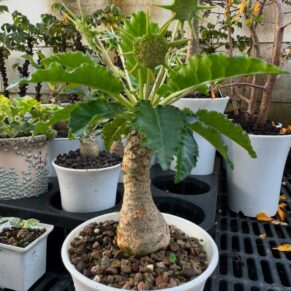
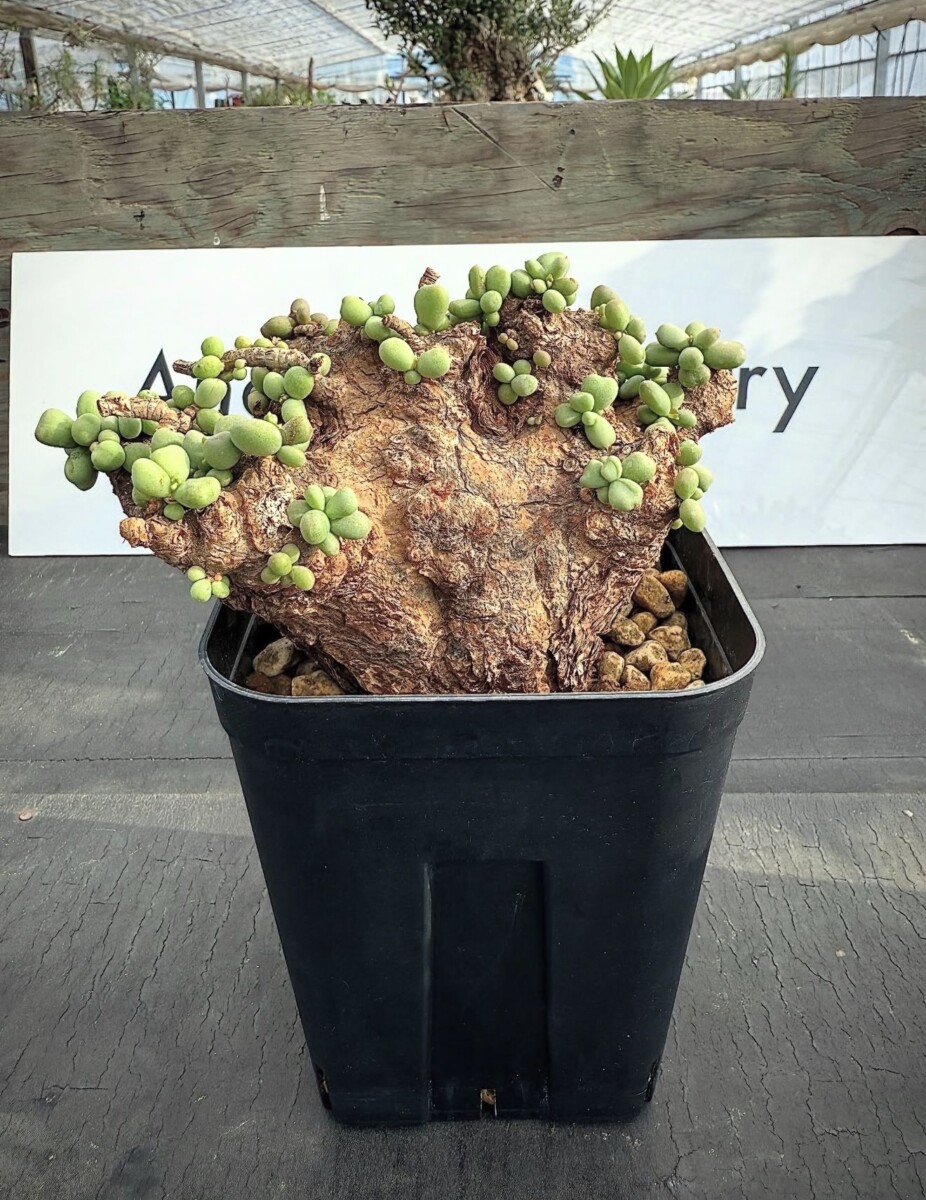
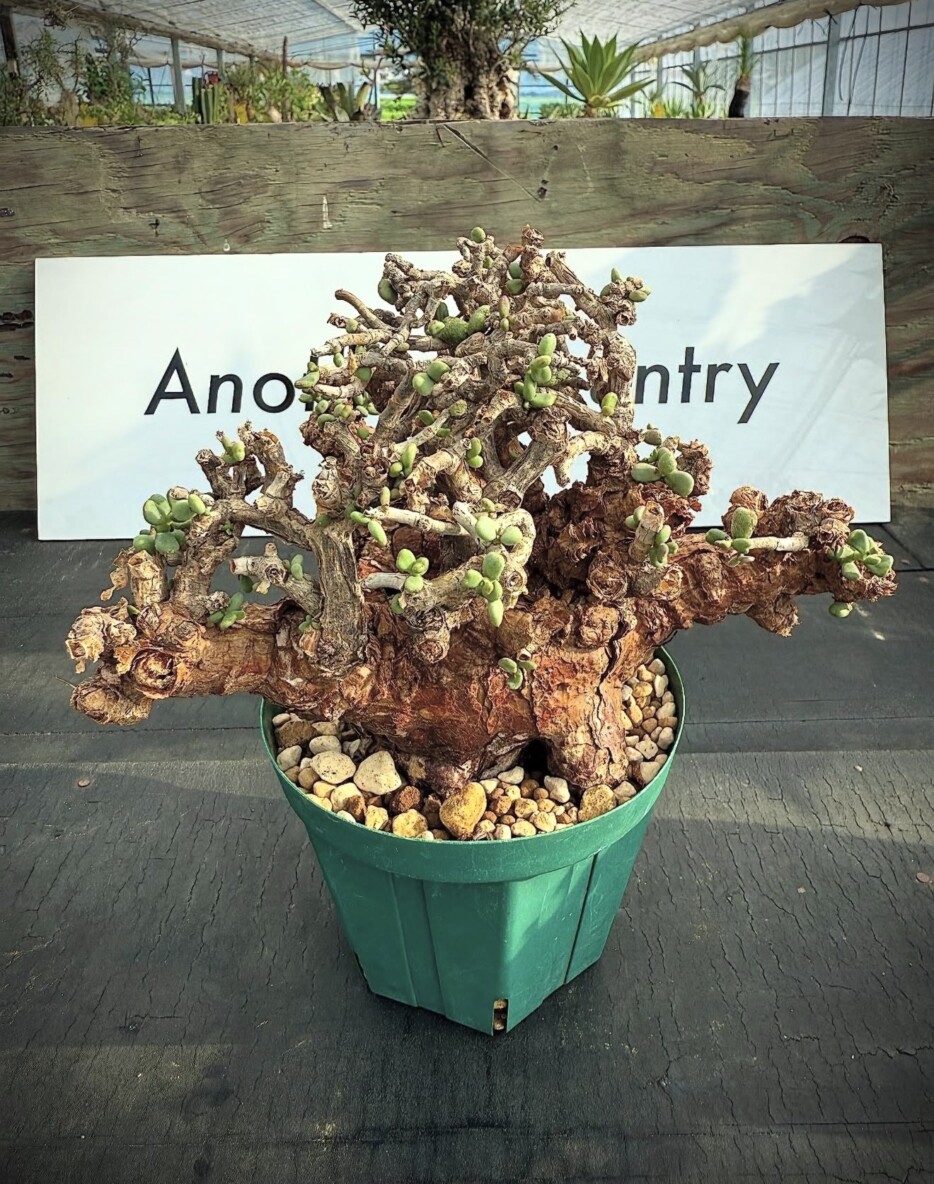
The most recognizable feature of ceraria pygmaea is its naturally bonsai-esque shape. Unlike traditional bonsai, which require precise pruning and wiring, this succulent forms its miniature tree silhouette organically. This makes it ideal for enthusiasts who want the beauty of bonsai without the complexity.
🪴 2. A Perfect Fit for Modern Living
Small homes and apartments often need greenery that fits compact spaces without sacrificing impact. Miniature succulents, especially tree-like varieties, have become top choices for desks, shelves, small plant corners, terrariums, and curated displays.
🌍 3. Rising Popularity of Low-Maintenance Plants
Today’s plant lovers often lead busy lives. The need for species that require minimal watering, little pruning, and moderate attention has skyrocketed. This species exemplifies that trend.
✨ 4. Unique Structure and Aesthetic Value
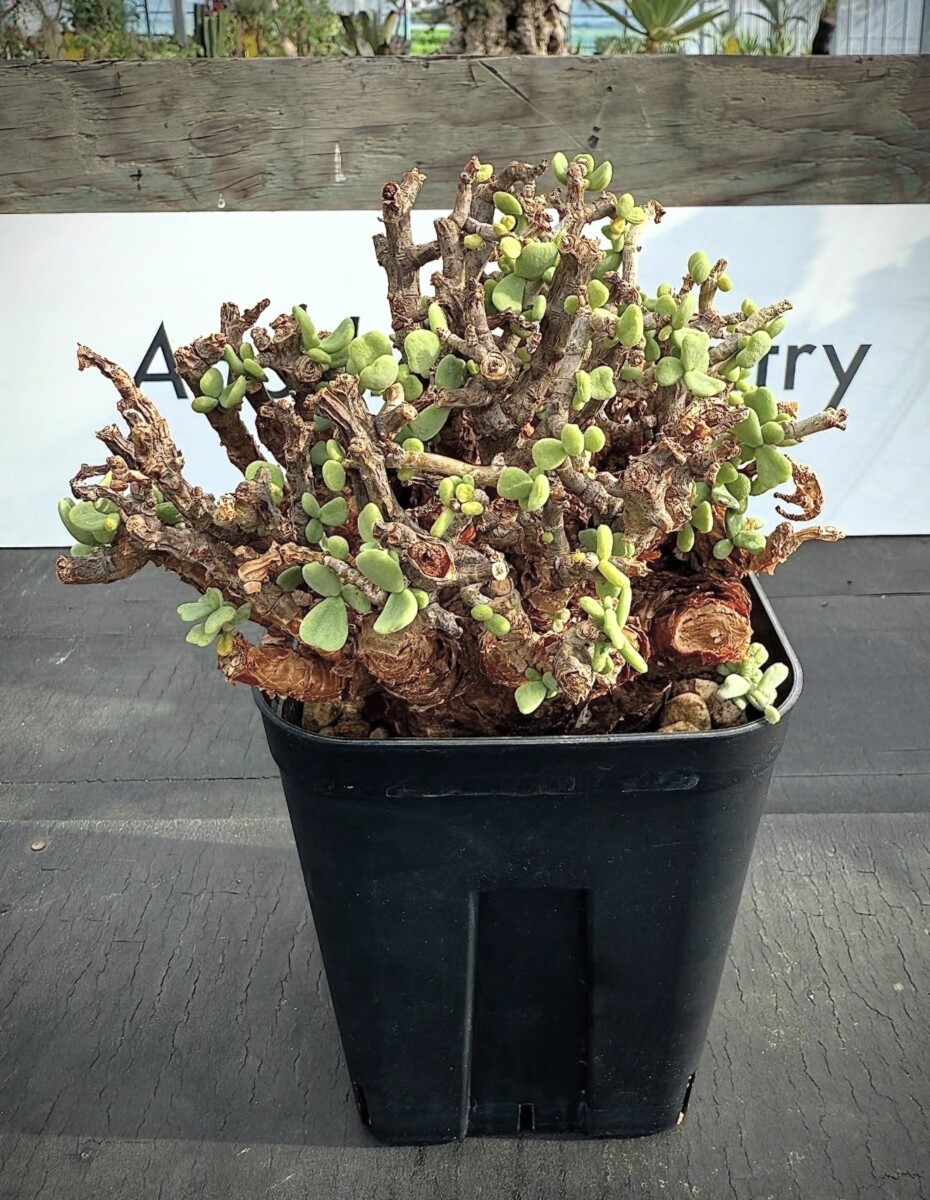
Many people search for plants not only for utility but also for artistic inspiration. The woody stems, clustered leaves, and slow-growing form of this species make it resemble a living sculpture—ideal for photography, decor, and collection displays.
📈 5. Growth of Rare Plant Communities
Online communities dedicated to rare and collectible plants have expanded significantly. Users frequently share images, care tips, propagation results, and display ideas, pushing this species into trending positions across platforms.
Appearance: A Sculptural Miniature Masterpiece
The charm of the plant lies in its structure—a perfect blend of ruggedness and delicacy. To understand its appeal, let’s examine its key aesthetic traits.
🌳 Woody Trunk and Branches
Over time, the stems harden into woody structures, giving the plant a mature, tree-like presence even when it is only a few centimeters tall. This feature is the foundation of its bonsai-like identity.
🌿 Tiny, Fleshy Leaves
The leaves are small, rounded, and succulent-like, giving the plant a soft texture that contrasts beautifully with its woody frame. They grow tightly along the branches, enhancing the miniature tree illusion.
🪨 Compact Growth Habit
The plant grows slowly and remains compact throughout its lifetime. This makes it ideal for growers who appreciate gradual, natural development and prefer plants that do not overtake their space.
🌸 Subtle Flowers
Although modest, the plant may produce small blossoms when its environment supports healthy seasonal rhythms.
Light Requirements: Finding the Sweet Spot
Light is crucial for the plant’s form and vitality. The species prefers bright light, and the correct amount ensures compact foliage, strong stems, and a well-shaped profile.
Ideal conditions include:
-
Bright indirect sunlight indoors
-
Partial to full sun outdoors
-
East- or west-facing window placement
-
Avoiding harsh midday beams when temperatures are extreme
Indoor growers often notice that low light causes stretching, weakened stems, or pale foliage. Outdoor growers observe that too much intense heat may scorch the leaves. The key is balance—strong light with reasonable protection.
Watering: The Art of Drought-Based Care
Watering is one of the most frequently searched topics related to this species, and for good reason. Since the plant originates from arid regions, it thrives under conditions that mimic occasional rainfall followed by extended dry periods.
💧 Watering Guidelines
-
Allow soil to dry completely before watering.
-
In cool seasons, reduce watering significantly.
-
Always water deeply, then wait for full dryness.
-
Avoid letting water sit around the root zone.
Excessive moisture is the most common cause of decline. Overwatered roots may rot, leaves may soften, and stems may collapse. With this plant, less water truly leads to better health.
Soil Composition: The Foundation of Plant Success
The right soil is essential for cultivating this species successfully. A gritty, fast-draining mix is the key to preventing root rot and supporting strong growth.
A suitable mix may include:
-
Cactus or succulent medium
-
Pumice or perlite
-
Coarse sand or grit
-
Small, inert stones for aeration
Growers who replicate rocky desert soil notice stronger root systems, healthier foliage, and improved overall structure.
Temperature and Seasonal Rhythms
The plant thrives in warm seasons and naturally slows down when temperatures cool. This rhythm supports its long-term survival and predictable growth patterns.
Ideal temperatures:
-
Growing season: 20–30°C
-
Cool season: 5–15°C
-
Never freezing: avoid frost entirely
Understanding seasonal changes helps growers adjust watering, light exposure, and fertilizer use accordingly.
Fertilizer and Nutrition
This species doesn’t need heavy feeding. In fact, over-fertilizing can disrupt its natural form.
General recommendations:
-
Use diluted succulent fertilizer.
-
Apply once or twice during active growth.
-
Avoid during cool months.
Balanced nutrition supports stronger stems, compact foliage, and overall vigor.
Repotting: A Slow but Rewarding Process
Because the plant grows slowly, repotting is infrequent. Most growers repot every 2–3 years.
Repotting steps:
-
Choose a pot only slightly larger than the previous.
-
Refresh soil with a gritty mix.
-
Do not water immediately after repotting.
-
Provide soft light as it settles.
Repotting also helps rejuvenate roots and ensure long-term health.
Propagation: A Fascinating Journey for Enthusiasts
Propagation is a popular search topic among collectors. The plant can be propagated using several methods:
✂️ Stem Cuttings
This is the most reliable method. After cutting, allow the stem to callus before planting in dry soil.
🍃 Leaf Cuttings
Although possible, it is slower and less predictable.
🌱 Seeds
Rare but rewarding. Requires ideal soil, warmth, and patience.
Propagation allows growers to expand their collections or share the beauty of ceraria pygmaea with fellow enthusiasts.
Common Problems and How to Address Them
Even though the plant is hardy, certain issues may arise.
❌ Overwatering
Symptoms:
-
Mushy stems
-
Soft leaves
-
Rotting roots
Solution: Reduce watering, improve soil drainage.
❌ Lack of Light
Symptoms:
-
Stretching
-
Weak stems
-
Pale foliage
Solution: Increase light exposure gradually.
❌ Pests
Occasional pests include mealybugs or mites.
Solution: Clean leaves regularly and isolate affected specimens.
Styling, Display, and Design Inspiration
This species is a favorite for interior designers and plant stylists because of its compact elegance and sculptural presence.
It works beautifully in:
-
Minimalist layouts
-
Zen-inspired designs
-
Desktop gardens
-
Rock displays
-
Micro-landscapes
-
Shelf collections
-
Artistic terrariums
Its miniature silhouette enhances both simple and elaborate spaces.
Why Collectors Cherish This Plant
Collectors appreciate species that combine rarity, structure, longevity, and personality. This succulent offers all of these qualities. Slow-growing plants often develop character—they tell a story, and their shape reflects years of natural sculpting.
Many enthusiasts say that caring for this species brings calm, focus, and joy—exactly the qualities that draw people to miniature and bonsai-like plants.