- Your cart is empty
- Continue shopping
Shop
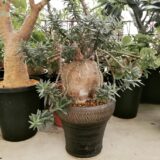
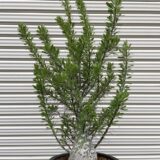
pachypodium geayi
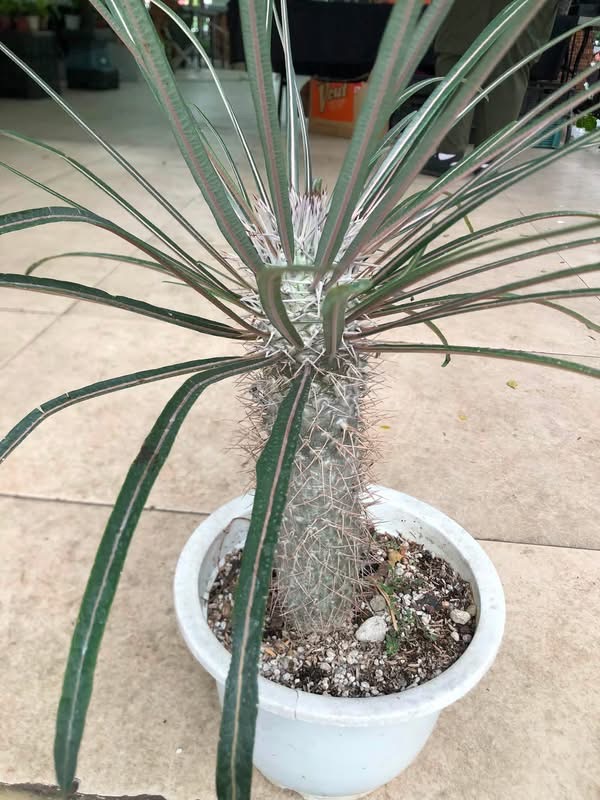
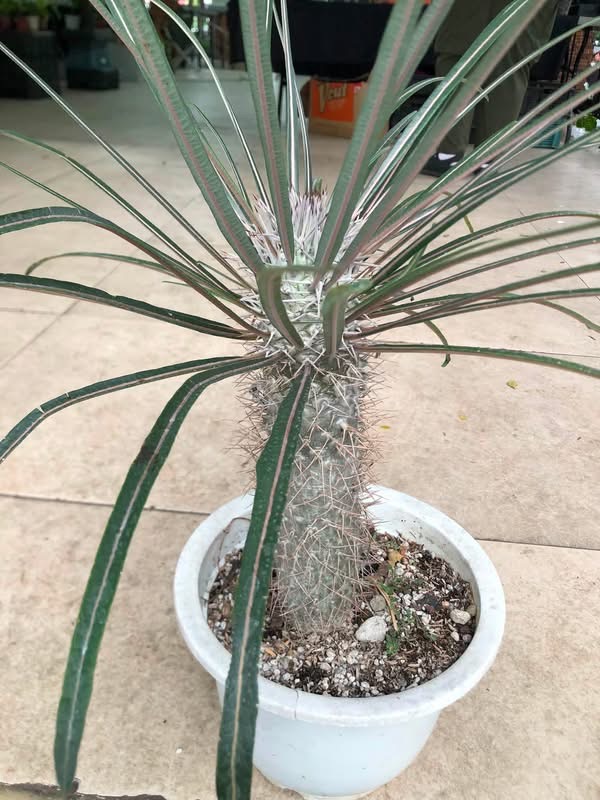
$200.00
Buy Pachypodium geayi for sale and discover an amazing Madagascar succulent with a striking trunk. Shop rare caudex plants and unique specimens.
Add to cart
Buy Now
Pachypodium Geayi: 7 Amazing Reasons to Buy
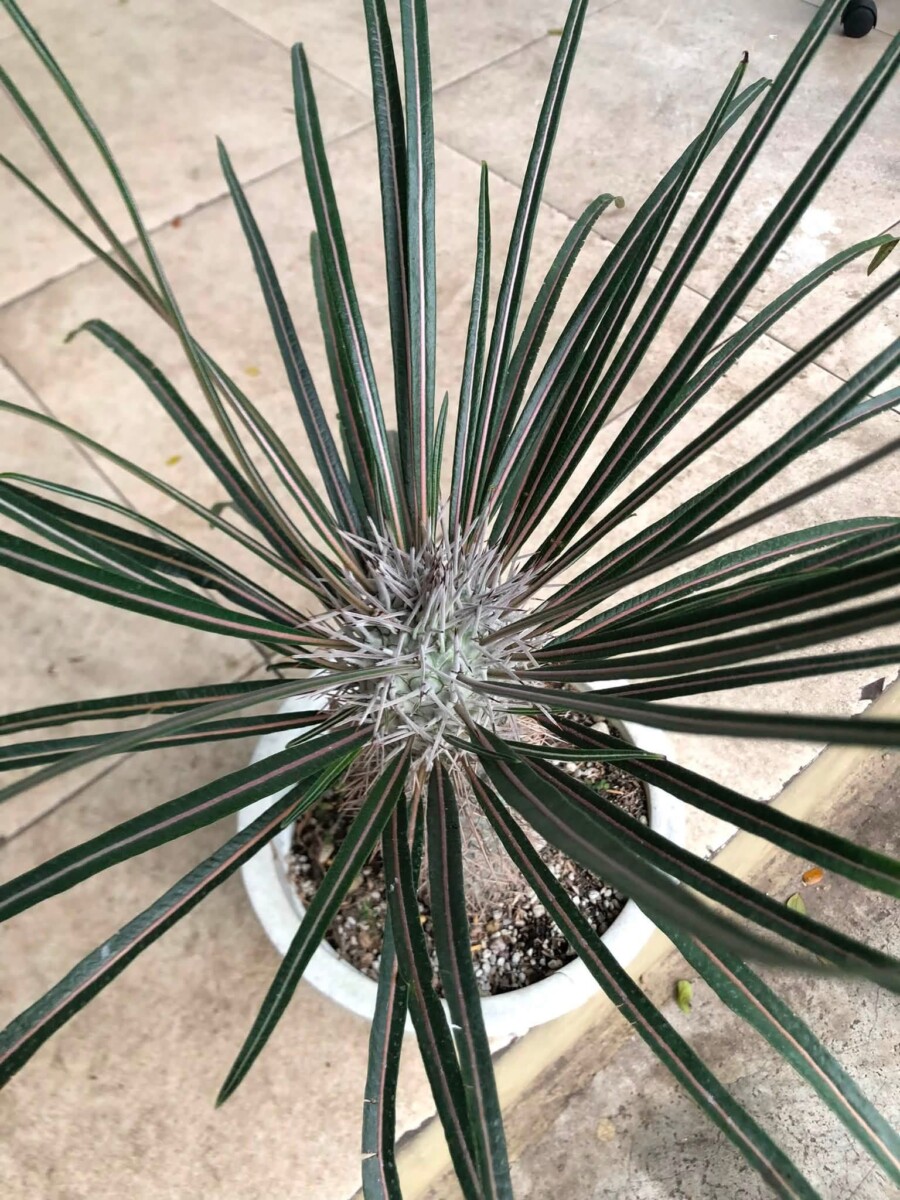
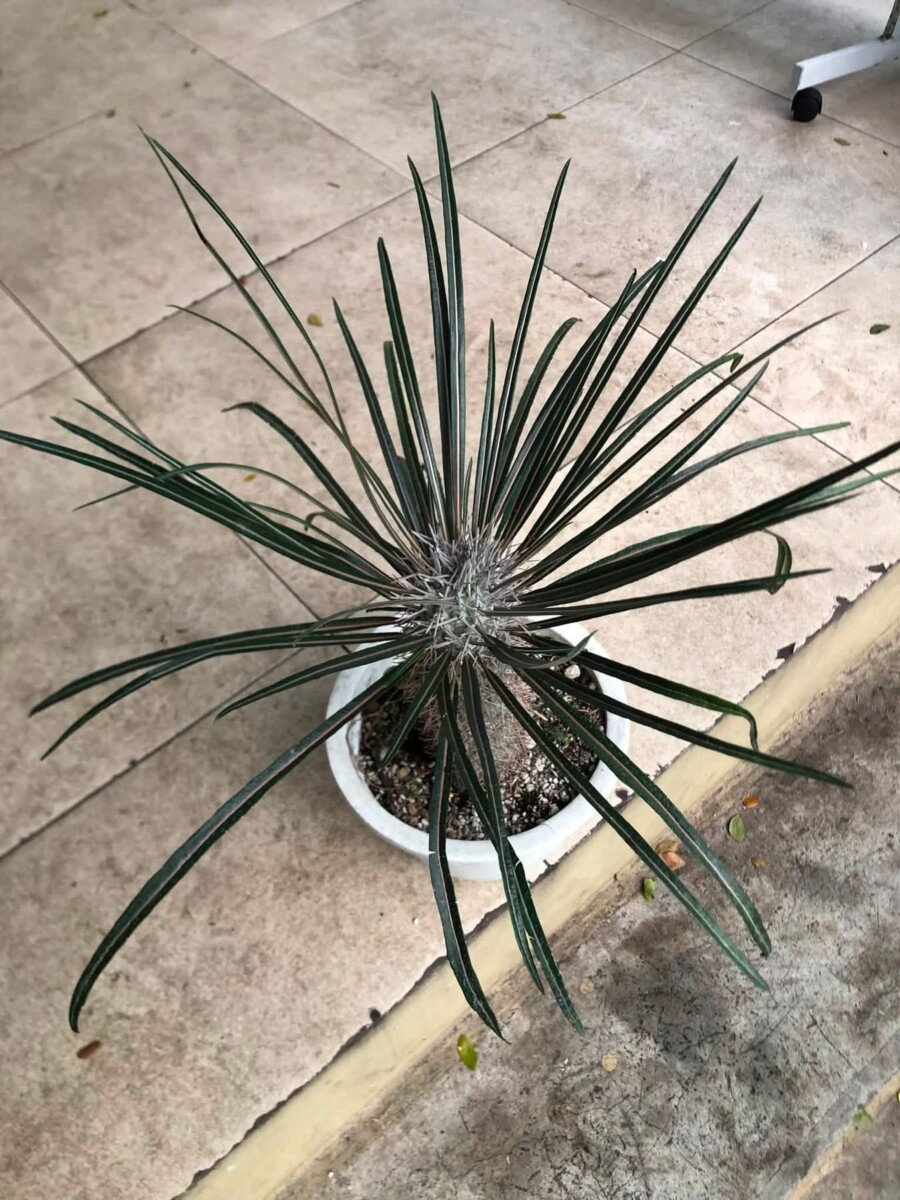
If you are searching for Pachypodium geayi for sale, you have discovered one of Madagascar’s most distinctive and collectible succulent plants. With its impressive silver-gray trunk, sharp spines, narrow leaves, and tree-like growth habit, Pachypodium geayi makes an outstanding addition to a serious caudex, succulent, or rare plant collection.
At Caudex Plants, we understand why collectors are drawn to unusual plants that become more impressive with age. Pachypodium geayi offers exactly that appeal. It combines dramatic architecture, exotic origins, and fascinating growth characteristics in a plant that can become a true centerpiece.
Whether you are an experienced collector or are beginning to explore unusual succulents, this guide explains what makes Pachypodium geayi special, how to grow it successfully, and what to consider when looking to buy Pachypodium geayi online.
What Is Pachypodium Geayi?
Pachypodium g is a succulent species native to Madagascar and belongs to the Apocynaceae family. It is sometimes associated with the common name “Madagascar palm,” although it is not actually a palm.
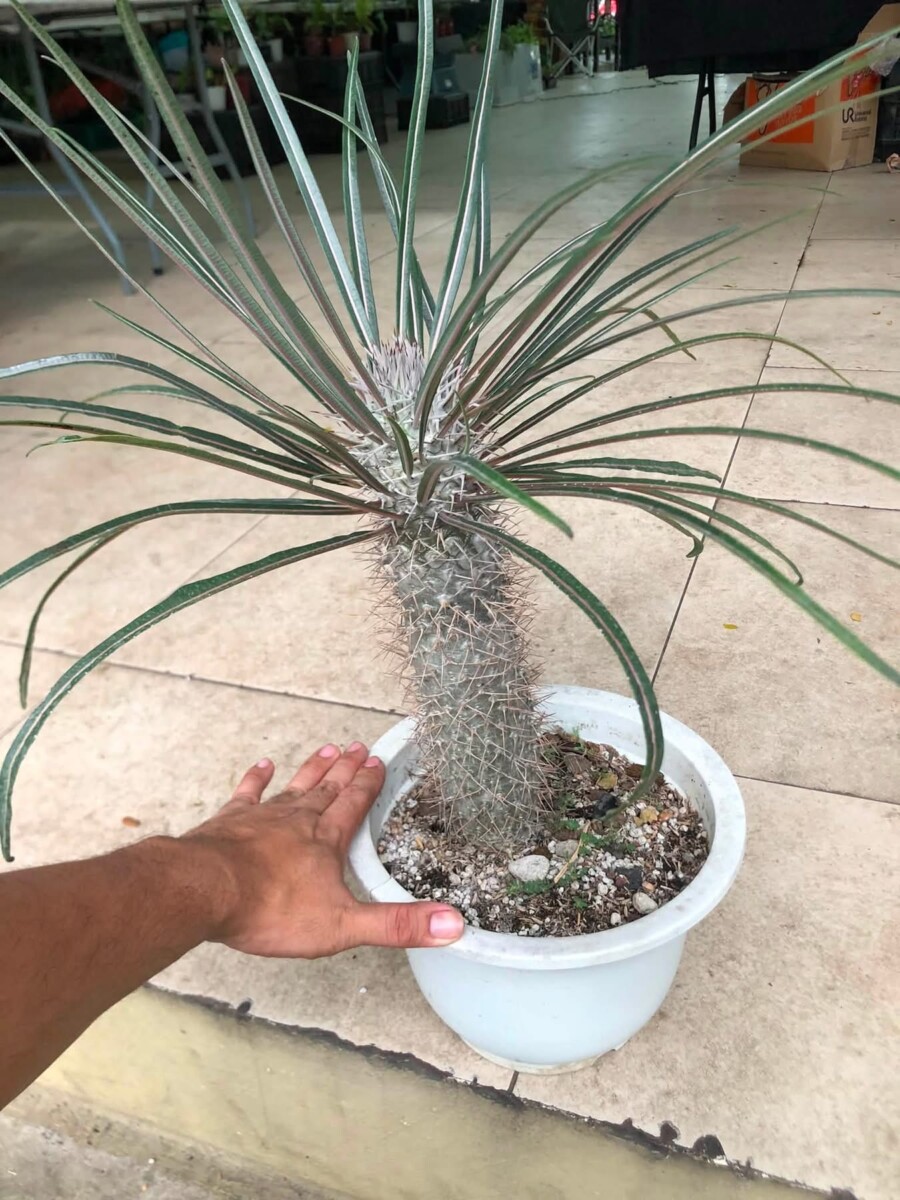
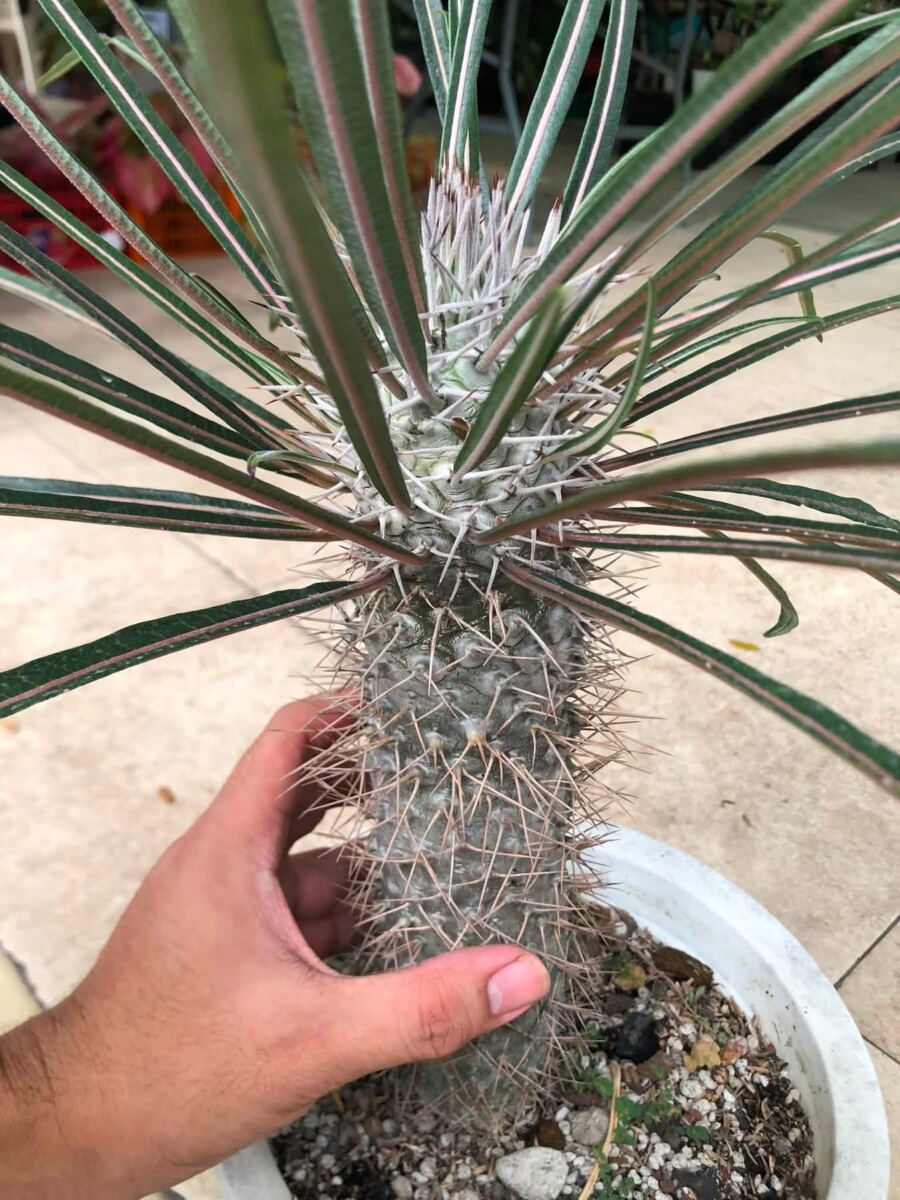
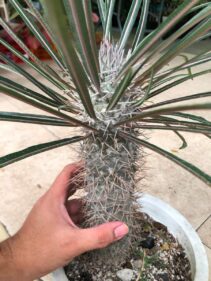
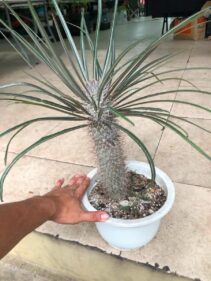
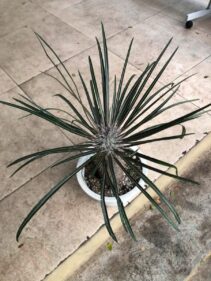
Its appearance explains the comparison. Mature plants develop an upright, thickened trunk topped with long, narrow leaves. The trunk stores water, helping the plant survive periods of drought in its natural environment.
One of its most attractive characteristics is the contrast between its pale trunk, prominent spines, and slender green foliage.
For collectors interested in rare Madagascar plants, Pachypodium geayi can be an excellent specimen to add to a growing collection.
1. P Geayi Has an Amazing Architectural Form
One of the biggest reasons collectors buy Pachypodium geayi is its distinctive appearance.
Young specimens are already attractive, but the plant becomes increasingly dramatic as it matures. Its trunk gradually thickens while maintaining an upright growth habit. The combination of a succulent trunk and narrow foliage creates a sculptural appearance that can look impressive in a pot or established collection.
Unlike ordinary houseplants that may look relatively similar throughout their lives, Pachypodium geayi changes significantly as it develops.
This makes growing one particularly rewarding.
A well-grown mature specimen can become a focal point among other caudex plants, succulents, Pachypodium species, and rare exotic plants.
2. It Is a Fascinating Madagascar Succulent
Madagascar is famous among plant enthusiasts for its extraordinary biodiversity and high number of endemic plant species.
P geayi originates from this fascinating botanical environment.
Its thickened water-storing trunk and protective spines reflect adaptations that help plants survive demanding conditions. These characteristics are also responsible for the unusual appearance collectors appreciate.
For people building collections around plants from Madagascar, Pachypodium species can be particularly desirable.
Collectors may also explore other unusual caudiciforms, succulents, and rare plants available through our website to build a more diverse collection.
3. P Geayi Becomes Better With Age
Some of the most interesting collectible plants are those that reward patience.
P geayi is an excellent example.
As the plant develops, its trunk becomes more substantial and its overall silhouette becomes increasingly impressive. This means that owning a young plant gives you an opportunity to watch its character develop over many growing seasons.
Older specimens can have dramatically different proportions compared with seedlings.
For collectors who enjoy cultivating long-lived plants, this transformation is a major attraction.
Rather than purchasing a plant simply for how it looks today, you are growing a specimen that can become increasingly distinctive over time.
4. P Geayi Is Perfect for Rare Plant Collections
A carefully selected collection benefits from contrast.
P geayi provides height and vertical structure that can complement shorter caudex plants and spreading succulents.
It can be combined visually with plants featuring:
- Large exposed caudexes
- Compact succulent growth
- Twisted or unusual stems
- Seasonal vines
- Sculptural trunks
- Rare foliage
- Madagascar origins
This diversity can transform a collection into something much more visually interesting.
If Pachypodium geayi attracts you because of its unusual growth form, explore the other rare caudex plants for sale on our website. You may discover species with equally fascinating trunks, roots, stems, and growing habits.
5. P Geayi Care Can Be Straightforward
Understanding the plant’s natural growing conditions is important for successful cultivation.
Light
P geayi generally appreciates very bright conditions and plenty of sunlight.
When moving a plant from lower-light conditions into stronger direct sunlight, acclimate it gradually. Sudden exposure to intense sunlight can stress plants that have not adapted to those conditions.
Soil
Excellent drainage is extremely important.
A porous succulent or cactus-style growing medium is generally preferable to dense soil that remains wet for long periods.
The objective is to allow excess water to drain efficiently while providing enough structure for healthy root development.
Watering
During active growth, water thoroughly and then allow the growing medium to dry appropriately before watering again.
Avoid keeping P geayi constantly wet.
Water requirements can change according to temperature, pot size, soil composition, humidity, season, and whether the plant is actively growing.
Temperature
P geayi generally prefers warm growing conditions.
Protection from frost and prolonged cold is important, particularly for plants grown outside their natural climate.
Collectors in colder regions often grow Pachypodium specimens in containers so they can be protected when temperatures drop.
6. It Pairs Beautifully With Other Caudex Plants
Pachypodium geayi does not need to stand alone.
Its upright structure makes it especially interesting when displayed alongside plants with contrasting forms.
A collection might include Pachypodium specimens together with Dioscorea, Adenium, Euphorbia, Dorstenia, Stephania, or other unusual caudiciform and succulent plants, depending on availability.
The result can be an extraordinary display of different adaptations.
One plant may develop an exposed swollen caudex, another may produce seasonal vines, while Pachypodium geayi contributes its tall spiny trunk and narrow foliage.
This diversity is one reason caudex collecting can become such an interesting hobby.
Browse our website to discover other rare plants for sale online that can complement your Pachypodium collection.
7. Pachypodium Geayi Is an Excellent Collector’s Plant
There is a major difference between buying an ordinary decorative plant and choosing something specifically because of its botanical characteristics.
Pachypodium geayi appeals strongly to collectors.
Its Madagascar origin, succulent trunk, spines, distinctive foliage, and changing appearance with age give it characteristics that remain interesting long after purchase.
It can appeal to collectors interested in:
Caudex plants, Pachypodium species, Madagascar succulents, xerophytic plants, rare succulents, unusual houseplants, collector plants, and exotic plants.
That makes Pachypodium geayi an excellent gateway into a much broader world of unusual plants.
P Geayi vs Pachypodium Lamerei
People searching for Pachypodium geayi sometimes confuse it with Pachypodium lamerei.
Both are Madagascar species with upright, spiny trunks and foliage concentrated toward the upper portion of the plant.
However, collectors often distinguish Pachypodium geayi by characteristics such as its narrower leaves and overall coloration and appearance.
These differences become easier to appreciate when plants mature.
Collectors interested in the genus may ultimately decide to grow multiple Pachypodium species rather than choosing only one.
Having several species together provides an opportunity to compare their growth habits and characteristics over time.
Where to Buy P Geayi Online
When searching for Pachypodium geayi for sale online, buyers should pay attention to more than price.
Look carefully at the plant or product description, available size information, shipping terms, and any applicable import or agricultural requirements for your destination.
Rare plants are living specimens, so appearance can naturally vary between individual plants.
When available, information about specimen size or whether listing photographs represent the exact plant can help buyers understand what they are purchasing.
At Caudex Plants, our goal is to connect enthusiasts with interesting caudex plants, succulents, seeds, and other collectible botanical specimens.
If P geayi is currently available, check the product listing for the latest size, pricing, and availability information.
Buy P Geayi for Your Collection
For collectors who appreciate unusual plants, Pachypodium geayi deserves serious consideration.
Its sculptural trunk, Madagascar origin, narrow foliage, protective spines, and increasingly impressive appearance with age give this species genuine collector appeal.
It can work as a standalone specimen or become part of a larger collection of rare caudiciform and succulent plants.
When selecting your plant, consider your growing environment, available sunlight, winter temperatures, drainage, and the space a mature specimen may eventually require.
Providing suitable conditions from the beginning can help establish stronger long-term growth.
Discover More Rare Caudex Plants
Pachypodium geayi may be the plant that brought you here, but it does not have to be the last unusual species you discover.
Caudiciform plants represent an extraordinary range of forms.
Some develop enormous swollen trunks. Others produce exposed underground structures, twisted branches, seasonal vines, or bizarre foliage.
Building a diverse collection allows you to appreciate these differences firsthand.
Explore Caudex Plants for Pachypodium species and other rare or unusual plants currently available.
Availability can change, so collectors looking for specific species should check individual listings for current stock information.
Pachypodium Geayi Frequently Asked Questions
Is Pachypodium geayi rare?
Pachypodium geayi is a specialist succulent that is considerably less common in ordinary garden centers than typical mass-market houseplants. Availability varies between specialist nurseries, collectors, locations, and seasons.
Is Pachypodium geayi a cactus?
No. Despite its spiny trunk and drought adaptations, Pachypodium geayi is not a cactus. It belongs to the Apocynaceae family.
Is Pachypodium geayi a palm?
No. The palm-like growth habit is responsible for comparisons with palms, but Pachypodium geayi is a succulent plant rather than a true palm.
Does Pachypodium geayi need full sun?
It generally appreciates strong light and can thrive with substantial sunlight when properly acclimated. Plants transitioning from protected or lower-light conditions should be introduced gradually to stronger direct sunlight.
How often should Pachypodium geayi be watered?
There is no universal schedule. Watering frequency depends on growing conditions, including season, temperature, pot size, soil, humidity, and plant activity. Good drainage and avoiding prolonged waterlogging are particularly important.
Can Pachypodium geayi grow indoors?
It can be container-grown where adequate light and appropriate conditions are available. Very bright positioning is important, and collectors should remember that mature plants can eventually become substantial specimens.
Where can I find P geayifor sale?
Check the current selection at caudexplants.com for Pachypodium geayi and other unusual caudex and succulent plants. Product availability, sizes, and prices can change, so refer to the individual product listing for current information.
Shop Pachypodium Geayi and Rare Caudex Plants
Adding Pachypodium geayi to your collection means growing a plant whose appearance can become more remarkable year after year.
From its silver-toned spiny trunk to its slender foliage and distinctive Madagascar heritage, this species offers many of the characteristics collectors seek in unusual succulents.
If you are ready to buy Pachypodium geayi, explore our current collection and discover other fascinating caudex plants, rare succulents, seeds, and collector specimens available at Caudex Plants.
Find your next extraordinary plant and start growing a collection that becomes more impressive with every season.

Customer reviews
Reviews
There are no reviews yet.
Only logged in customers who have purchased this product may leave a review.