


- Your cart is empty
- Continue shopping
Shop
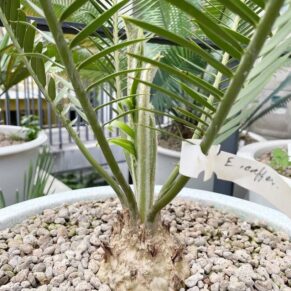
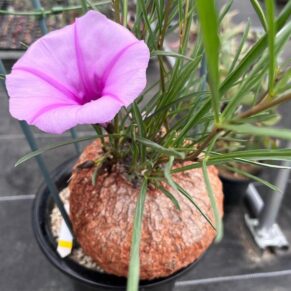
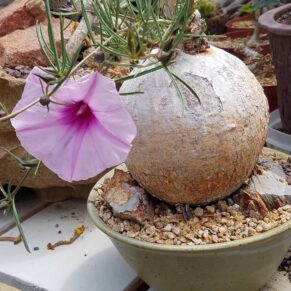
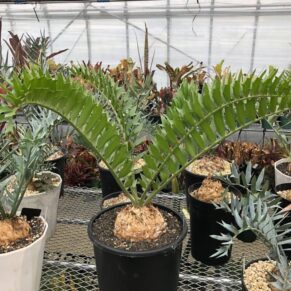
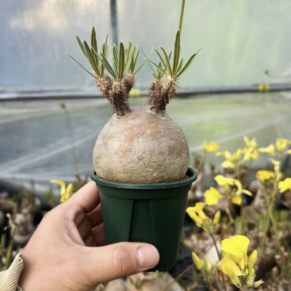
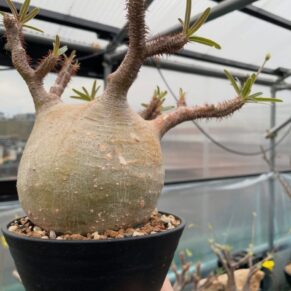
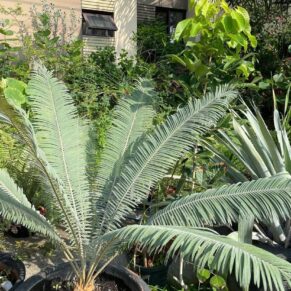
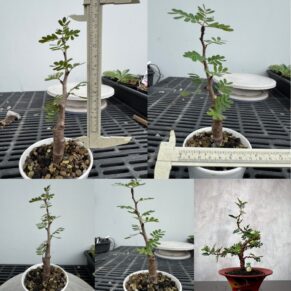
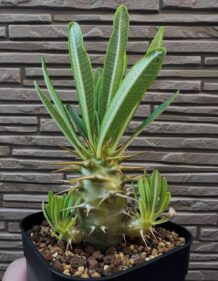
Pachypodium ambongense
Pachypodium ambongense

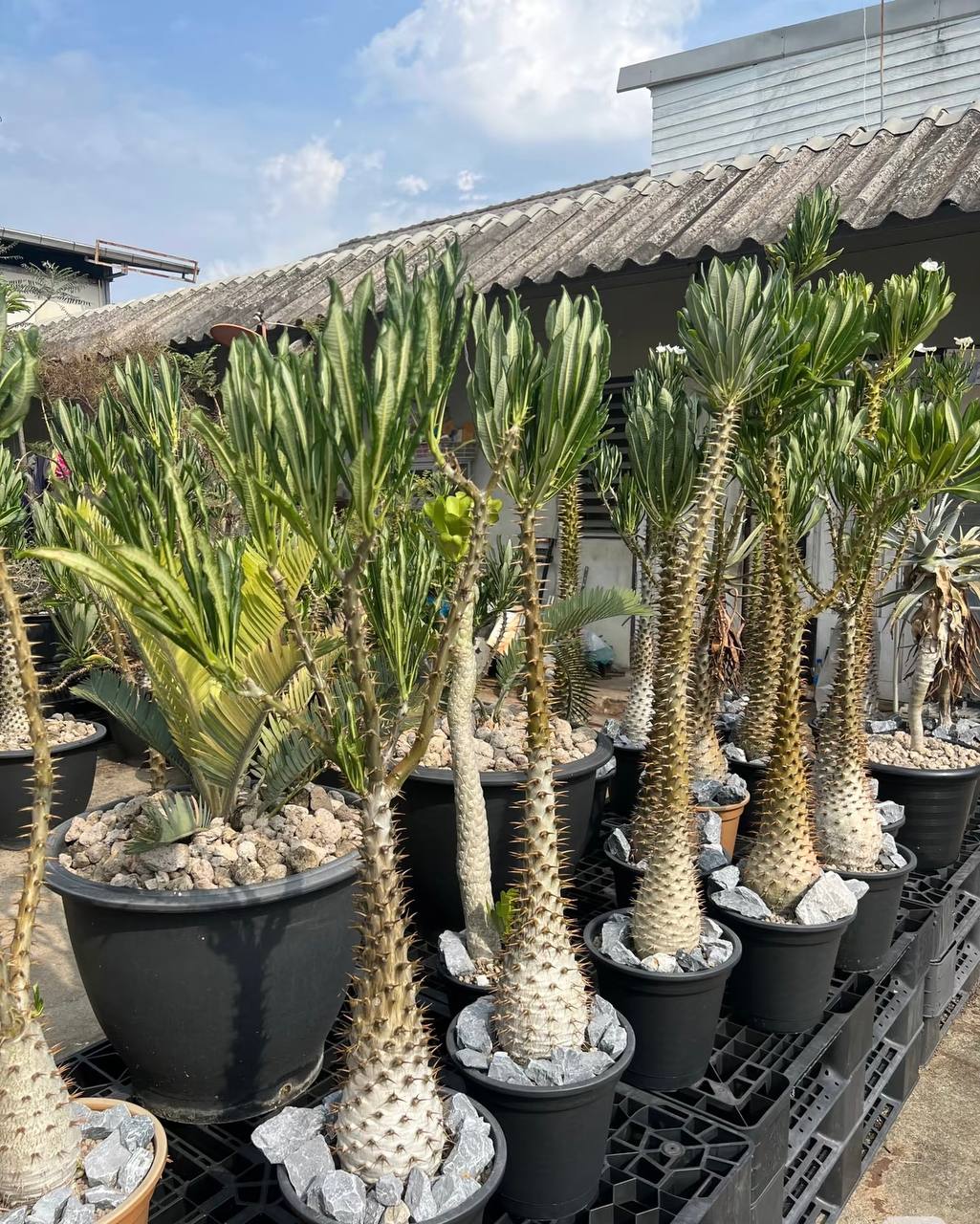
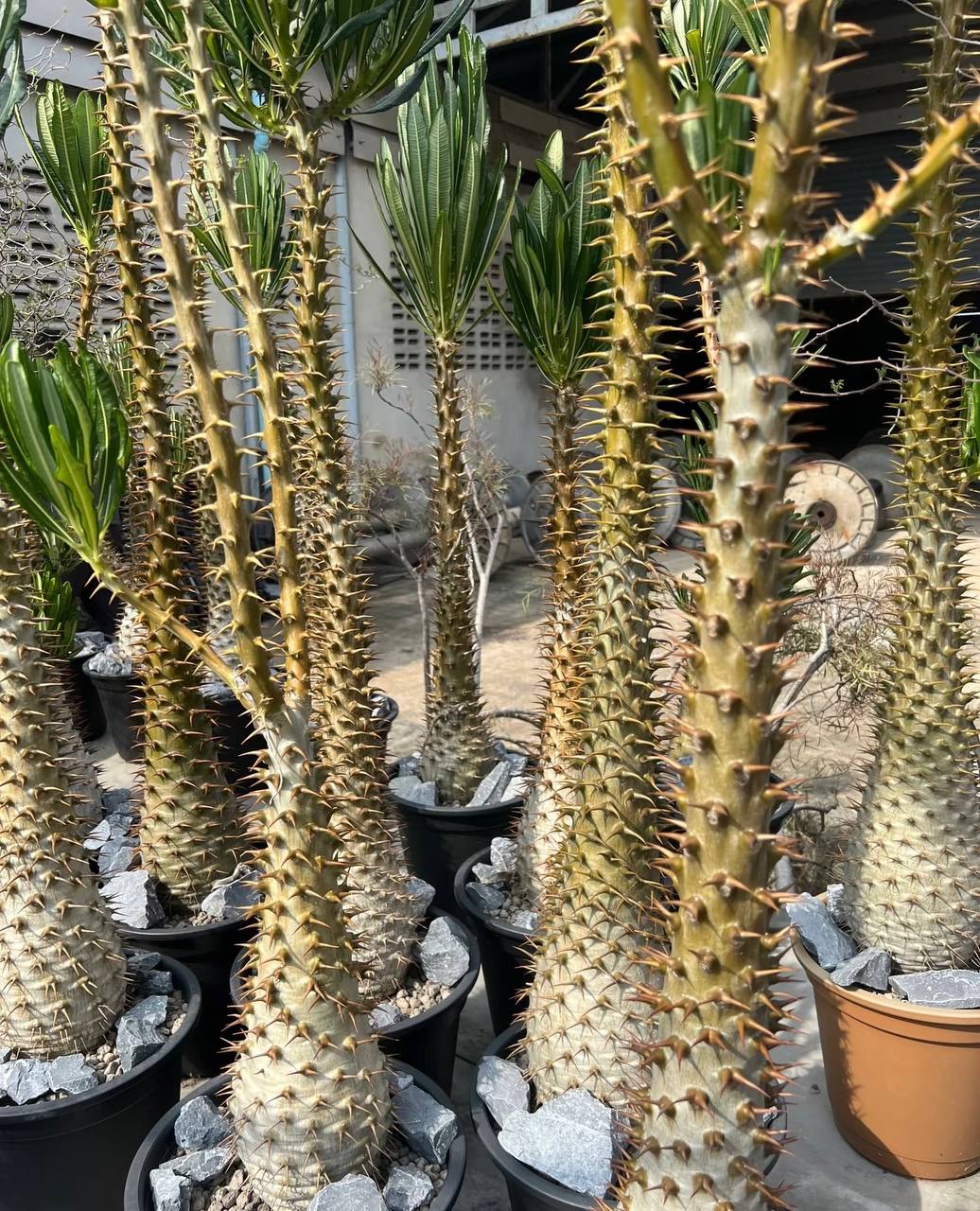
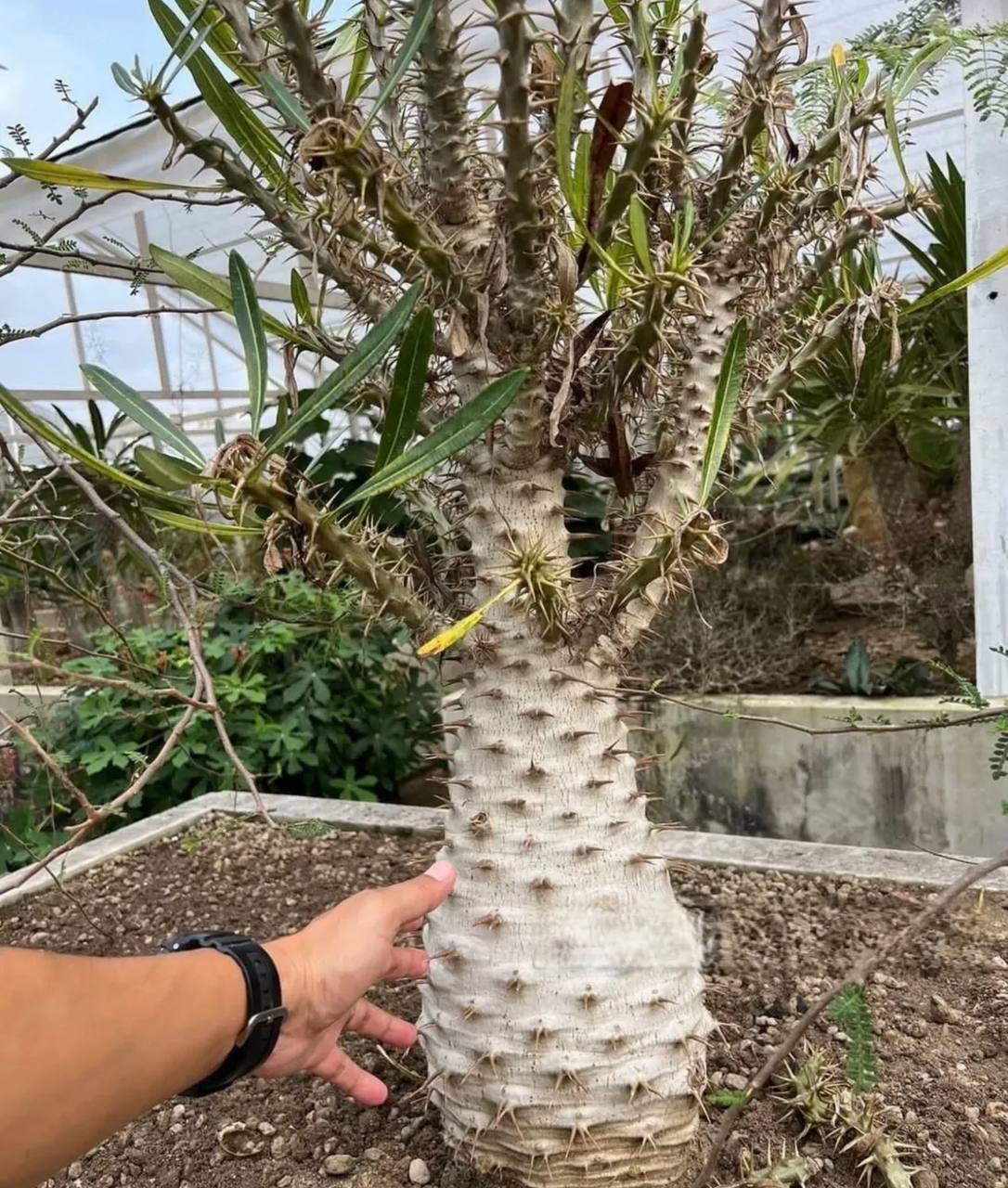
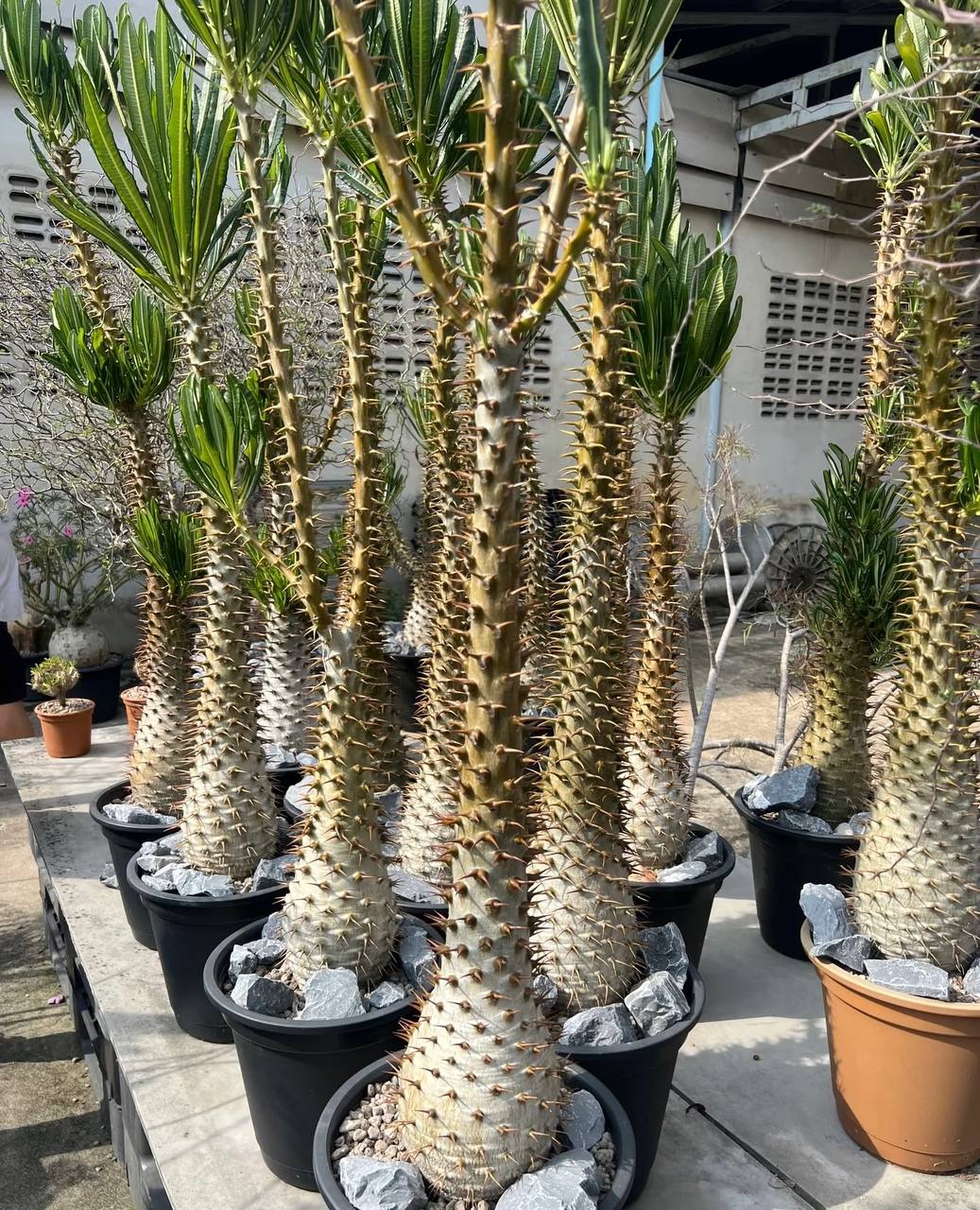
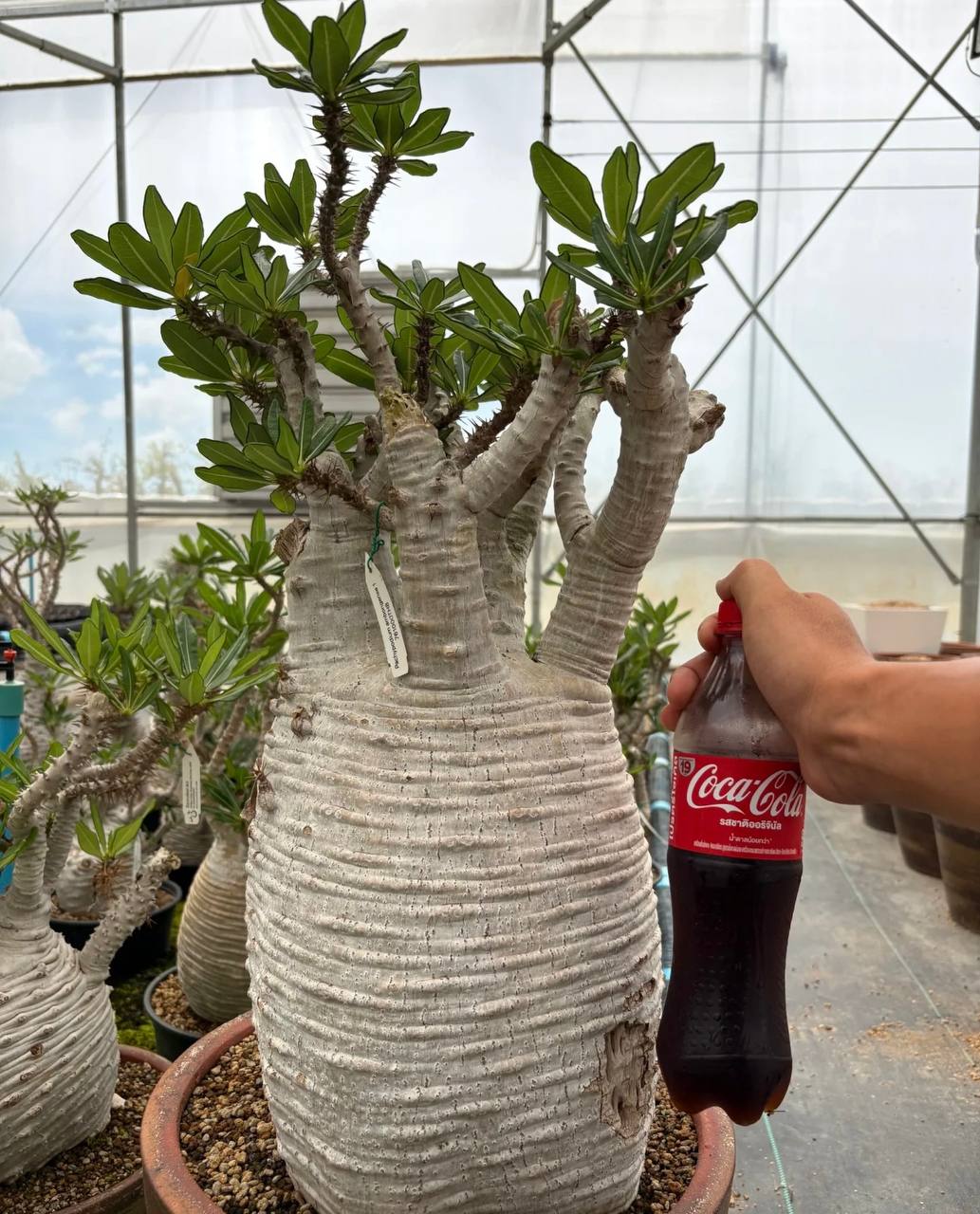
Price range: $45.00 through $125.00
Buy rare Pachypodium ambongense at CaudexPlants.com – premium quality, expert care tips, and global shipping.
size
Choose an option
Add to cart
Buy Now
1. Introduction: CaudexPlants.com Presents Pachypodium ambongense
Welcome to caudexplants.com, where botanical passion meets premium plant offerings. Among our most exclusive and sought‑after species is Pachypodium ambongense, known as the “Elephant’s Trunk” Pachypodium.caudexplants.com, By placing Pachypodium ambongense at the center of our content, we ensure maximum ,relevance for collectors and growers searching for this rare caudiciform.Visit our facebook group
2. Botanical Profile & Native Habitat
2.1 Taxonomy & Conservation Status
-
Full botanical name: Pachypodium ambongense Poiss. (described 1924) (Wikipedia)
-
Belongs to family Apocynaceae, a rare species endemic to NW Madagascar (Wikipedia)
-
Listed under CITES Appendix I, reflecting its rarity and trade restrictions (sustainablebioresources.com)
2.2 Habitat & Ecology
-
Grows in Namoroka region on Mesozoic calcareous rock substrates with humus-filled fissures (Wikipedia)
-
Prefers open deciduous forest at low elevation (<100 m) with full to partial sun (Wikipedia)
-
Adapted for alkaline soils—unlike many acid‑loving Pachypodium species (Wikipedia).shop here caudexplants.com
3. Morphological Description & Seasonal Behavior
3.1 Overall Habit
-
Compact shrub up to 1–2 m tall; trunk bottle-shaped with lateral compression; caudex diameter 10–40 cm (Earth.com)
-
Bark silvery‑grey, smooth, sometimes snakeskin textured; sparse branching below terminal inflorescences (lifestyleseeds.co.za)
3.2 Spines & Leaves
-
Paired straight spines (5–10 cm long) cover trunk and branches in sparse pattern (Earth.com)
-
Leaves form rosettes at branch tips; elliptic‑obovate 3–8 × 1.5–3 cm, densely pubescent beneath, glabrous above (Wikipedia)
3.3 Flowers & Fruit
-
Inflorescence of 1–5 showy flowers; corolla white to pale greenish‑yellow, ~5.5 cm diameter, trumpet-shaped (Wikipedia)
-
Flowering in warm season after dry period in natural habitat (Wikipedia)
3.4 Seasonal Cycle
-
Deciduous in winter or dry season unless kept warm; displays dormancy in cooler or colder conditions (llifle.com)
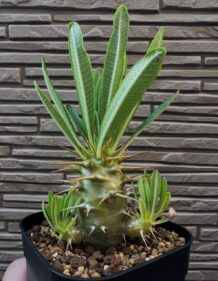
pachypodium ambongense
4. Cultivation & Care
4.1 Soil & Potting Mix
-
Use coarse gritty cactus mix with 10–20% limestone, dolomite, or crushed coral to maintain alkaline pH (sustainablebioresources.com):shop here caudexplants.com
-
Avoid peat‑based or acidic soils; bonsai mixes with akadama/pumice and coral gravel work well (Reddit)
4.2 Light & Temperature Requirements
-
Thrives under full sun to partial shade outdoors; indoors near bright window with good light (consultaplantas.com, seedsyndicate.net)
-
Ideal temperature: Growth season ~18 °C–38 °C; winter dormancy min ~10 °C and kept almost bone‑dry (Wikipedia, llifle.com)
-
Cold-sensitive: avoid moisture in cool temps below ~5 °C to prevent rot (Reddit, llifle.com) shop here :caudexplants.com,
4.3 Watering Practices
-
Keep soil lightly moist during active season; avoid letting potting medium dry completely or stay wet too long (llifle.com)
-
Summer dry season: reduce water substantially; winter: minimal moisture only if very warm (consultaplantas.com, llifle.com)
4.4 Fertilizer & Maintenance
-
Fertilize sparingly every 40‑50 days during growth with cactus palm formula rich in potassium & micronutrients (consultaplantas.com)
-
Pruning rarely needed; caudex grows intact; handle with protective wrapping due to spines when repotting (llifle.com)
4.5 Repotting Guidelines
-
Repot every 2‑3 years in early spring with fresh porous alkaline mix (consultaplantas.com, llifle.com)
5. Propagation Methods
5.1 By Seed
-
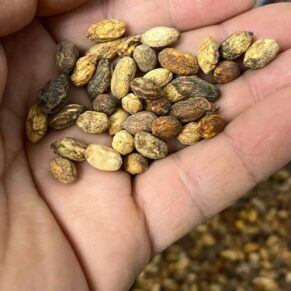
Soak seeds in warm water 24 h before sowing; sow about 5 mm deep in sterile sandy-fine compost mix with river sand, perlite, vermiculite (llifle.com)
-
Maintain mix at ~27–35 °C; germination begins in 3–4 days but may continue erratically up to 6 months (llifle.com)
-
Fresh seeds show best viability; occasional contamination prone due to mold—disinfect thoroughly with bleach + potassium permanganate if needed (Reddit, sustainablebioresources.com)
5.2 By Cuttings & Offsets
-
Branch cuttings are rarely used: allow callus 5–8 days, root in porous mix; high failure rate (llifle.com, sustainablebioresources.com)
-
Offsets from plant base can be separated and rooted similarly; yields variable results (sustainablebioresources.com)
6. Pests & Disease Management
-
Healthy plants rarely suffer pests indoors; potential pests include white peach scale, other scale insects, mealybugs (sustainablebioresources.com)
-
Control with alcohol swabs, horticultural or neem oil, or dinotefuran systemic treatments (sustainablebioresources.com)
-
Leaf and seed fungus infections (anthracnose) may impair flowering; sulfur weekly sprays can help (sustainablebioresources.com)
-
Root rot from cold, damp conditions is primary danger—especially in winter (sustainablebioresources.com, llifle.com)
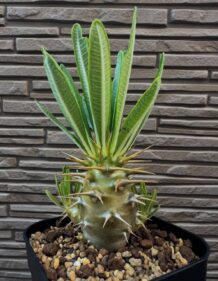
pachypodium ambongense
7. Landscaping, Bonsai & Aesthetic Uses
-
Specimen plant for caudiciform collections, rockeries, patios, and arid gardens (seedsyndicate.net)
-
Ideal for bonsai training due to sculptural trunk and compact habit (seedsyndicate.net)
-
In containers: minimal companions, coarse rocky substrate; indoors as architectural accent under bright ligh :shop here caudexplants.com
8. Rarity, Collectibility & Conservation
-
Known from limited Madagascar range; considered “lost” until rediscovered; very rare in cultivation (Reddit)
-
Difficult to hand-pollinate; seed germination sensitive to mold issues, contributing to scarcity (Reddit, Reddit)
-
Strong collector demand; prices high for mature specimens or seed-grown rarity (Reddit, Reddit)
-
CITES Appendix I restricts international trade—ethical sourcing is crucial (Wikipedia)
9. Community Notes, Testimonials & Grower Tips
From enthusiasts on Reddit:
“…they come from slightly wetter areas, never let them go dry… prefer soil around neutral or slightly alkali… very happy in bonsai mix of akadama, lava, pumice… as long as always saturated.” (Reddit, Reddit)
“Ambongense is known hard to germinate… vulnerable to contamination… bleach + potassium permanganate soak greatly improved germination rates.” (Reddit)
“After 2 weeks without watering my ambongense burned and died while my eburneum survived.” Emphasizes importance of consistent but careful watering in warm season (Reddit;shop here caudexplants.com
10. SEO Strategy & Content Expansion Tips
To reach >3,000 words, expand subsections with:
-
Personal grower journals (e.g. germination diary, dormancy timeline)
-
In-depth seed germination case studies
-
Detailed photo galleries of trunk development, leafing, flowering
-
Troubleshooting FAQs (e.g. mold on seeds, caudex shriveling, leaf drop)
-
Comparative articles vs. similar Pachypodium species (e.g. P. brevicaule, decaryi)
-
Glossary of horticultural terms and botanical descriptions
-
Interviews with collectors describing exceptional form or gift of offsets
Use Pachypodium ambongense strategically in headings, body text, image captions, FAQs, metadata, and alt-text for images; integrate long-tail phrases like “how to grow Pachypodium ambongense”, “Pachypodium ambongense care”, “rare Madagascar Pachypodium”.
Conclusion
Caudexplants.com is your go-to destination for rare, ethically sourced Pachypodium ambongense, offering not just a plant, but a full collector’s experience. With detailed botanical insights, growing and propagation guidance, ecological context, and reader-tested cultivation tips, our site positions itself as both a trusted supplier and authoritative resource. Whether you’re seeking seeds, young plants, or simply enriching your knowledge of this majestic caudiciform, caudexplants.com delivers excellence—from first sprout to sculptural caudex.
Let me know if you’d like me to fully write any specific section (e.g. propagation tutorial, bloom diary, troubleshooting guide) or adjust tone for newsletter, blog, or product page.
| size | small, medium, large |
|---|