

- Your cart is empty
- Continue shopping
Shop
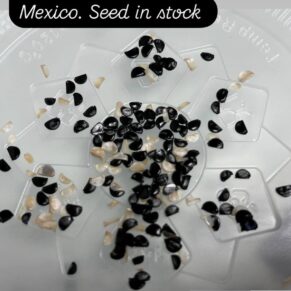
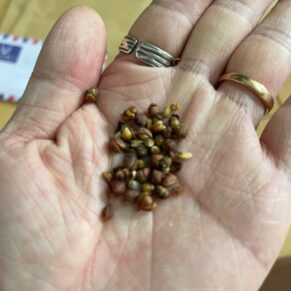
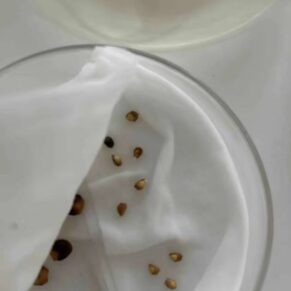
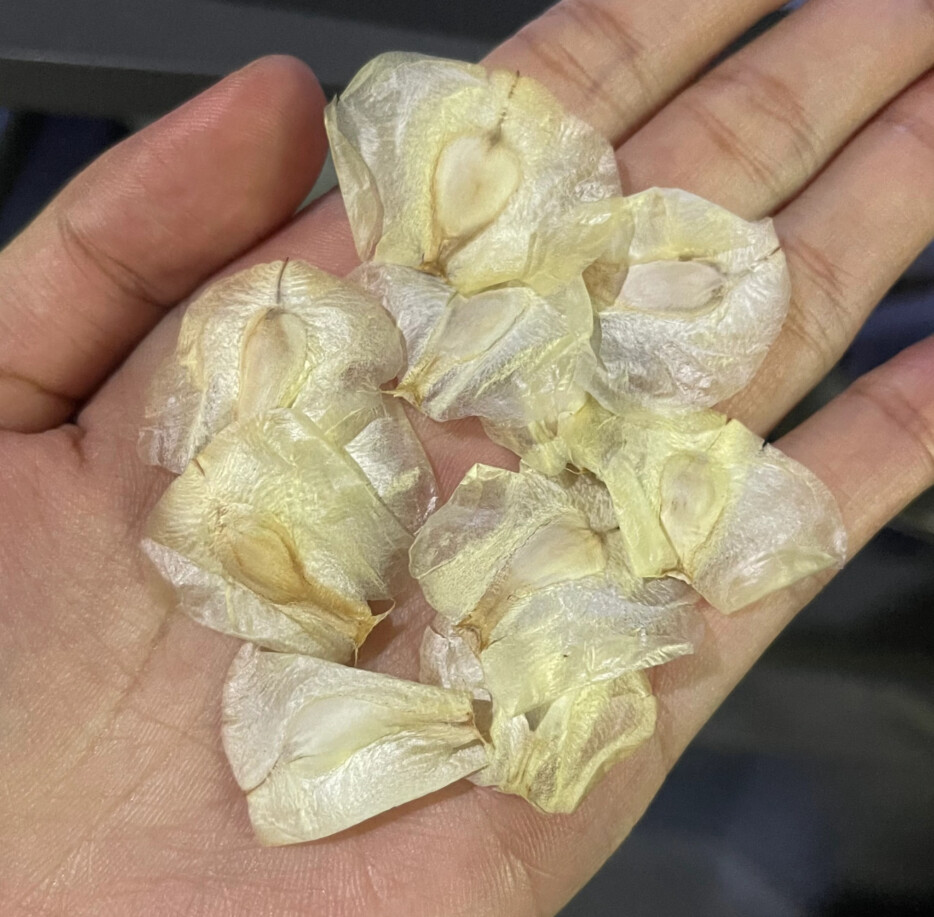
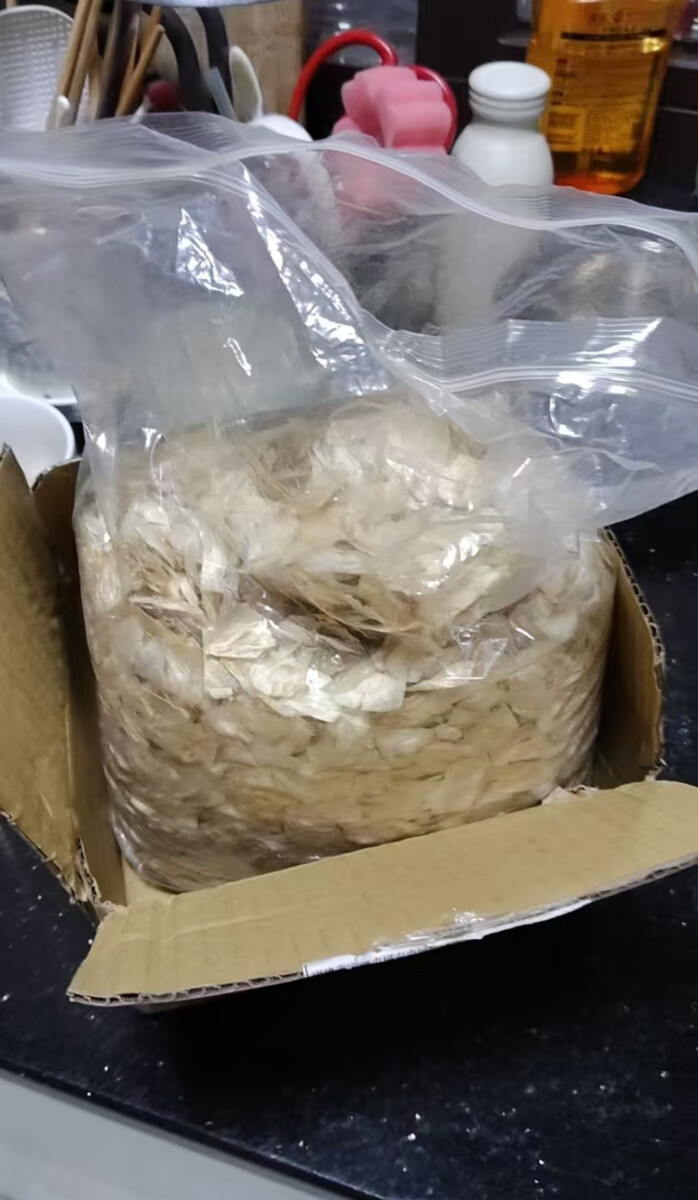
Welwitschia mirabilis seeds
Welwitschia mirabilis seeds
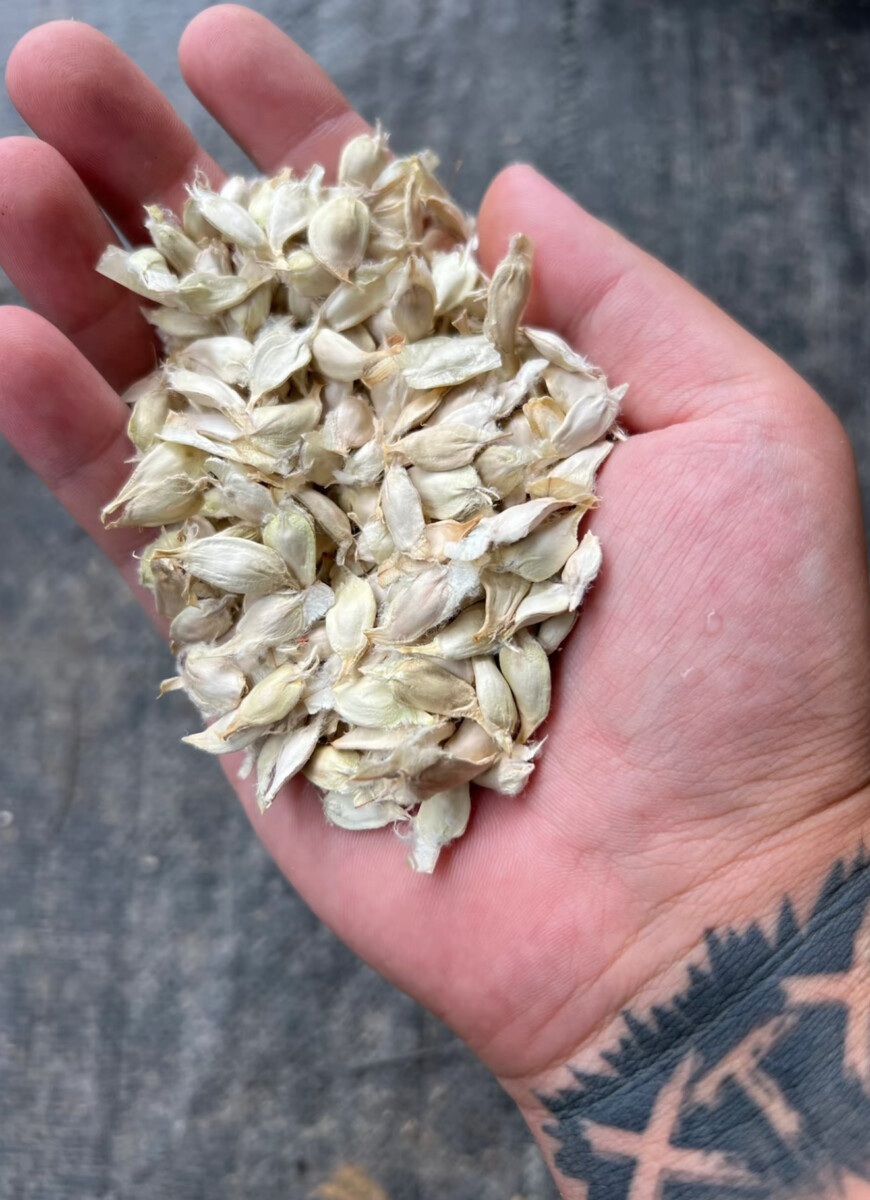
Price range: $45.99 through $400.00
Qty
Choose an option
Add to cart
Buy Now
The Ultimate Guide to One of the World’s Most Extraordinary Plants
Welwitchia mirabilis seeds: Across the global botanical community, few plants capture the imagination as powerfully as the ancient, mysterious, and utterly unique Welwitschia. A living relic from a prehistoric world, this plant has fascinated scientists, collectors, horticulturalists, and nature lovers for generations. Unlike typical succulents, trees, or desert shrubs, it stands alone—literally—as the only species in its genus and family. It is a biological marvel, a survivor of extreme environments, and one of the longest-living plants on Earth.Join our facebook group.
This breathtaking species has grown into a major topic of interest among plant enthusiasts, researchers, and serious collectors—leading to a growing search demand for information surrounding its cultivation, history, and germination practices. Among the most sought-after topics is the careful process of growing the plant from Welwitschia mirabilis seeds—a task both thrilling and deeply rewarding for those who appreciate ancient species with extraordinary evolutionary histories.Shop other beautiful seeds like encephalartos horridus ,pachypodium cactipes
This guide offers one of the most complete, reader-friendly, and search-optimised descriptions available, covering everything from the species’ prehistoric origin to its unusual growth pattern, seed development, germination requirements, indoor and outdoor care, environmental demands, common mistakes, collector culture, and high-intent search topics in the botanical world.
Whether a beginner or a seasoned grower, this extensive resource aims to educate, inspire, and empower anyone who dreams of cultivating one of nature’s greatest wonders.
🌍 An Ancient Survivor from a Prehistoric Landscape
The plant we know today as Welwitschia traces its lineage back millions of years. Believed to have originated during a climatic era far different from the one we know now, this species has adapted through monumental shifts in Earth’s atmosphere, geology, and ecology. It is a true “living fossil,” unchanged in essence over vast spans of time.
Its native habitat—the fog-fed deserts of Namibia and parts of Angola—provides some of the most severe environmental conditions on Earth. Rainfall is almost nonexistent; temperatures swing dramatically; and winds constantly sweep across barren landscapes. Yet, in these harsh conditions, this species thrives with surprising resilience. The combination of geological isolation and climatic extremity has preserved this plant in purity for countless generations.
The extraordinary adaptations that help this plant survive—from harvesting fog water to growing only two leaves for its entire life—have contributed to the global fascination surrounding it. When people search for information about its care, history, or seeds, they are often drawn in by the plant’s mysterious appearance and ancient origins.
🌱 Botanical Features That Set This Species Apart
Few plants resemble Welwitschia, either in structure or growth pattern. Its unique characteristics make it instantly recognizable all over the world.
1. Only Two Leaves—For Life
Most plants constantly produce new leaves. Welwitschia is the opposite: it produces just two leaves at the seedling stage, and those two leaves continue growing throughout the plant’s entire lifespan, which may exceed a thousand years. As decades pass, the leaves become long, broad, and ribbon-like, often splitting into dramatic, sculptural forms shaped by wind and age.
2. A Strong, Woody Crown
The central crown, known as the “stem base,” is woody, thick, and extremely durable. It acts as the plant’s heart, storing energy and protecting the meristem that produces continuous leaf growth.
3. A Deep Root System
The taproot can grow extraordinarily deep, allowing the plant to anchor itself in desert soils and reach mineral-rich layers far beneath the surface.
4. Male and Female Plants
Welwitschia is dioecious—male and female reproductive structures grow on separate plants. This adds an extra layer of complexity for growers who hope to pollinate the species naturally.
5. Fog-Harvesting Ability
Instead of relying on rainfall, the plant collects moisture from coastal fog, channeling droplets down its long leaves into its central system.
These fascinating features drive constant online search interest, making the species one of the most studied, admired, and discussed plants in the world.
🔎 Why This Plant Has Become a Top Search Topic Globally
Search engines regularly see a surge in queries relating to this plant, often from people drawn to its rarity and legendary status. Several modern gardening trends explain this massive growth in online interest.
🌵 1. The Rise of Extreme and Rare Succulent Collections
Collectors today seek plants that offer stories as much as aesthetics. Welwitschia stands out as one of the rarest and most unusual species that can be cultivated at home from Welwitschia mirabilis seeds (use #1).
🧬 2. Fascination with “Living Fossils”
People are increasingly interested in ancient species—from Ginkgo trees to cycads. Welwitschia is a crown jewel among them, inspiring awe due to its prehistoric lineage.
🪴 3. The Challenge of Cultivation
Growers love a challenge, and this plant’s unusual growth cycle sparks endless curiosity about germination technique, soil composition, humidity, and long-term care.
⭐ 4. Its Iconic Appearance in Documentaries
Nature documentaries frequently highlight this species, increasing global awareness and inspiring newcomers to learn more.
🔥 5. Interest in Desert and Xeric Plants
As sustainable landscaping and drought-resistant gardens gain popularity, more people search for hardy species adapted to extreme dryness.
🌡 Natural Habitat and Climate: Understanding Its Desert Home
To understand why this plant grows the way it does, and how to care for it effectively, we must study the environment it calls home. The Namib Desert is one of Earth’s oldest deserts—a place defined by minimal rainfall and heavy reliance on coastal fog.
Key Characteristics of the Natural Habitat
-
Annual rainfall less than 25 mm
-
Temperatures that swing dramatically between day and night
-
Coastal fog carried inland by cold ocean currents
-
Sandy, mineral-dense soil
-
Intense sunlight exposure
These conditions shaped the plant’s evolutionary path, explaining its thick stem, long-growing leaves, and specialized moisture-harvesting abilities. Understanding these conditions helps growers recreate suitable environments when nurturing plants from Welwitschia mirabilis seeds (use #2).
🧪 Seed Structure, Behavior, and Germination Needs
When beginning the fascinating process of growing this species, everything starts with the seeds. The seeds are relatively large compared to many desert plant species and contain the embryo, stored nutrients, and a protective outer coating.
🌱 What Makes the Seeds Unique?
-
They contain essential biochemical compounds that activate under specific temperature and moisture levels.
-
They require warmth to trigger germination.
-
They benefit from controlled humidity and a careful balance between air circulation and moisture retention.
Botanical enthusiasts often highlight the seeds as one of the most intriguing aspects of cultivation. This explains why so many people search for detailed germination guides.
🌧 How to Germinate the Seeds Successfully
Growing this species from Welwitschia mirabilis seeds (use #3) is one of the most thrilling challenges a plant enthusiast can undertake. It requires patience, precision, and an understanding of how desert seeds behave.
Below is a general yet comprehensive overview of high-success methods.
1. Preparing the Soil
The soil should mimic desert sand—highly draining, mineral-rich, and slightly gritty. A blend of coarse sand, pumice, and well-aerated succulent soil works well.
2. Moisture Level
Germination requires gentle, controlled moisture, not saturation. Overwatering at this stage is a major cause of failure.
3. Temperature
Warmth is essential. Ideal germination temperatures range from 23–28°C (73–82°F).
4. Humidity Dome or Controlled Environment
A dome or clear container helps maintain humidity around the seeds. However, airflow must be allowed to prevent fungal growth.
5. Light Exposure
Bright, filtered light is ideal. Direct sunlight may dry out the environment too quickly.
6. Germination Timeline
Seeds typically sprout within 1 to 3 weeks under proper conditions, though it can take longer.
This meticulous process is part of what makes the species so revered among collectors.
🪴 Seedling Care: The Delicate First Stage
Once seedlings emerge, they enter a critical period. The first leaves are the plant’s lifelong leaves—meaning early care influences decades of future appearance.
Key Seedling Requirements:
-
Stable warmth
-
Soft, indirect sunlight
-
Extremely cautious watering
-
Protection from fungal threats
-
Minimal handling
Seedling failure usually comes from excessive moisture, sudden temperature changes, or poor airflow.
🌿 Transitioning Young Plants to Long-Term Growth
After several months, the seedlings are ready to transition into a more mature care regimen. This stage focuses on strengthening the taproot, encouraging natural leaf lengthening, and gradually exposing the plant to more sunlight.
Essential Long-Term Care Elements:
1. Soil Choice
Plants grown from Welwitschia mirabilis seeds (use #4) thrive long-term in soil rich in minerals but extremely poor in organic material.
2. Watering Rhythm
A deep watering followed by a long drying period mimics fog cycles without risking rot.
3. Sunlight
As plants mature, they tolerate increasingly intense light.
4. Temperature
Extreme cold must be avoided, as the plant evolved for warm desert conditions.
5. Airflow
Leaves can grow several meters long over decades. Proper airflow prevents fungal issues.
🌬 Understanding Fog Harvesting—A Natural Marvel
Unlike most plants, this species collects much of its moisture from fog rather than soil water. The two long leaves act as fog nets, capturing moisture droplets and directing them towards the crown.
This behavior explains:
-
Its long, ribbon-like leaves
-
Its adaptation to desert life
-
Its survival despite almost no rainfall
Growers often replicate this by lightly misting the plant occasionally—though carefully, as excess moisture around the roots must still be avoided.
🪨 Embracing the Plant’s Sculptural Aesthetic
Few plants offer visual interest the way Welwitschia does. With its twisting leaves, ancient character, and living-fossil presence, it stands not only as a biological wonder but also as a natural sculpture.
It shines in:
-
desert-themed gardens
-
botanical collections
-
rare plant conservatories
-
minimalist outdoor landscapes
-
artistic indoor arrangements with high ceilings
The plant’s appearance changes throughout its lifetime, making every stage of growth visually compelling.
🧭 Common Mistakes and How to Avoid Them
Even experienced growers can struggle with this species. Here are the most frequent issues:
❌ Overwatering
The biggest cause of plant loss.
❌ Insufficient Light
This leads to weak, pale, or stunted growth.
❌ Poor Soil
Dense or organic soils suffocate the roots.
❌ Cold Exposure
The species is not frost-tolerant.
❌ Lack of Airflow
Stagnant conditions encourage fungal growth.
Knowing these pitfalls helps growers take a more confident approach.
⭐ Why Collectors and Botanical Gardens Love This Species
This plant holds deep significance among collectors for several reasons.
✨ 1. It Represents Ancient Earth
Plants grown from Welwitschia mirabilis seeds (use #5) are living pieces of natural history.
✨ 2. It Is Rare and Unusual
Growers love species that surprise visitors and inspire conversation.
✨ 3. It Lives for Centuries
Few plants offer such extraordinary longevity.
✨ 4. It Rewards Patience
Watching it grow over years creates a special connection between plant and grower.
🧑🔬 Scientific Importance and Worldwide Interest
Scientists study this plant for insights into:
-
ancient climatic conditions
-
genetic adaptation
-
desert survival biology
-
long-term leaf growth patterns
-
reproductive specialization
This academic interest fuels search trends and public curiosity.
🏡 Growing the Plant Indoors: What You Should Know
Indoor growers must pay special attention to:
-
sunlight angles
-
humidity levels
-
pot drainage
-
airflow
A dedicated grow light can be useful, especially in temperate climates.
🌄 Outdoor Growth: Creating Desert-Like Conditions
Outdoors, the plant thrives in:
-
rock gardens
-
dry slopes
-
sandy ground
-
well-ventilated spaces
Outdoors, plants grown from Welwitschia mirabilis seeds (use #6) often develop stronger root systems and larger leaves.
🧘 The Meditative Joy of Growing Welwitschia
Many collectors describe growing this plant as an exercise in patience, gratitude, and organic artistry. Watching its leaves twist and develop over time connects growers to deep, ancient rhythms.
🌟 A Life-Long Botanical Companion
Few species offer the awe and longevity of this iconic desert survivor. For growers, cultivating plants from Welwitschia mirabilis seeds (use #7) becomes a deeply meaningful journey—one that grows richer with each passing year.
This species bridges past and present, science and art, rarity and resilience. As interest continues to rise across Google searches and global plant communities, this remarkable organism will undoubtedly continue to be one of the world’s most talked-about botanical treasures
| Qty | 50, 200, 500 |
|---|