- Your cart is empty
- Continue shopping

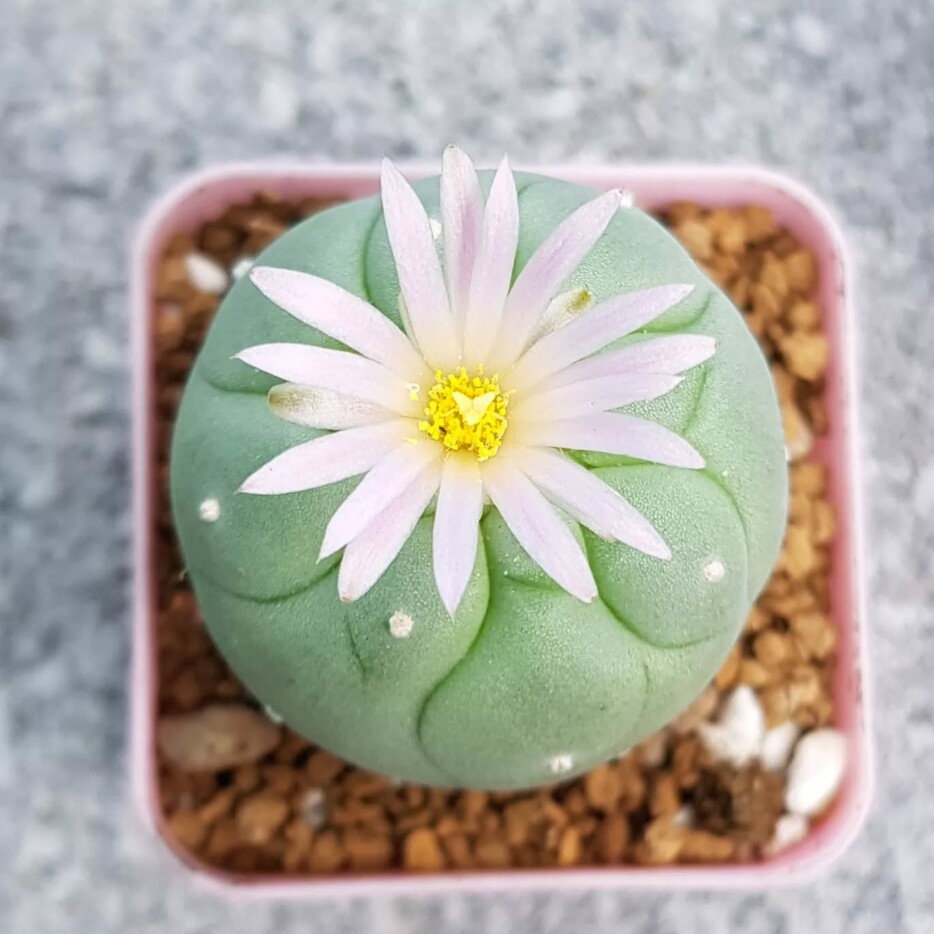
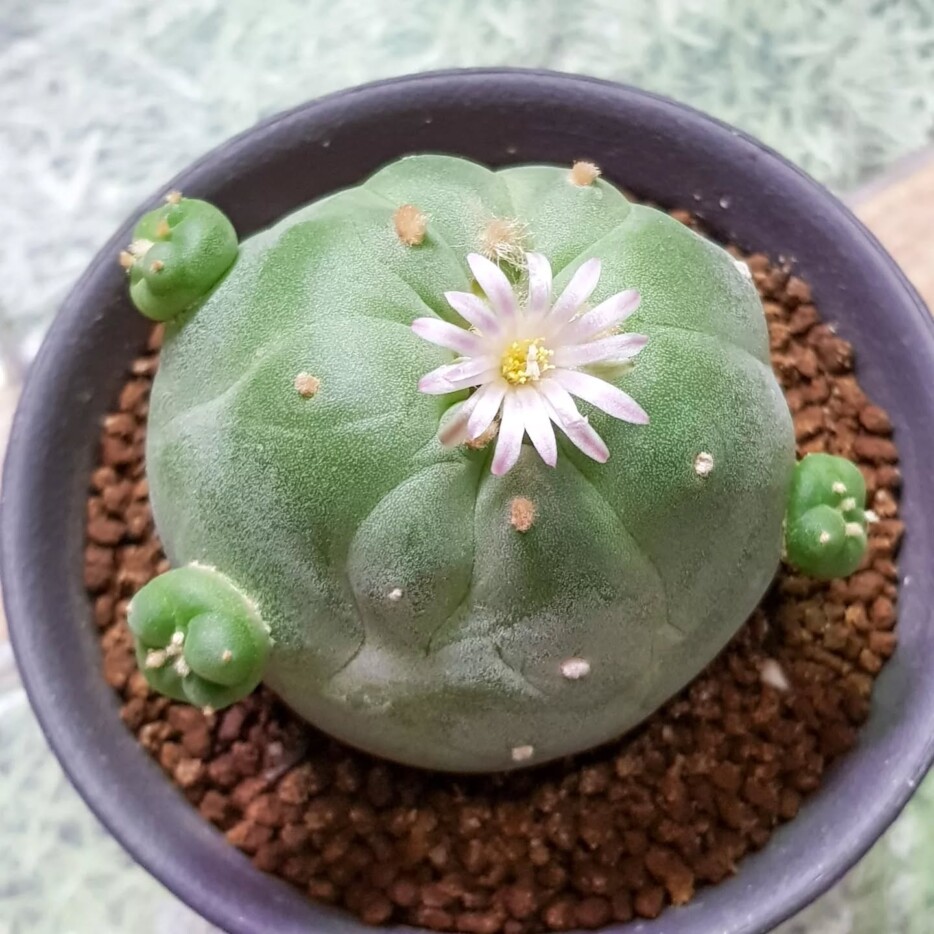
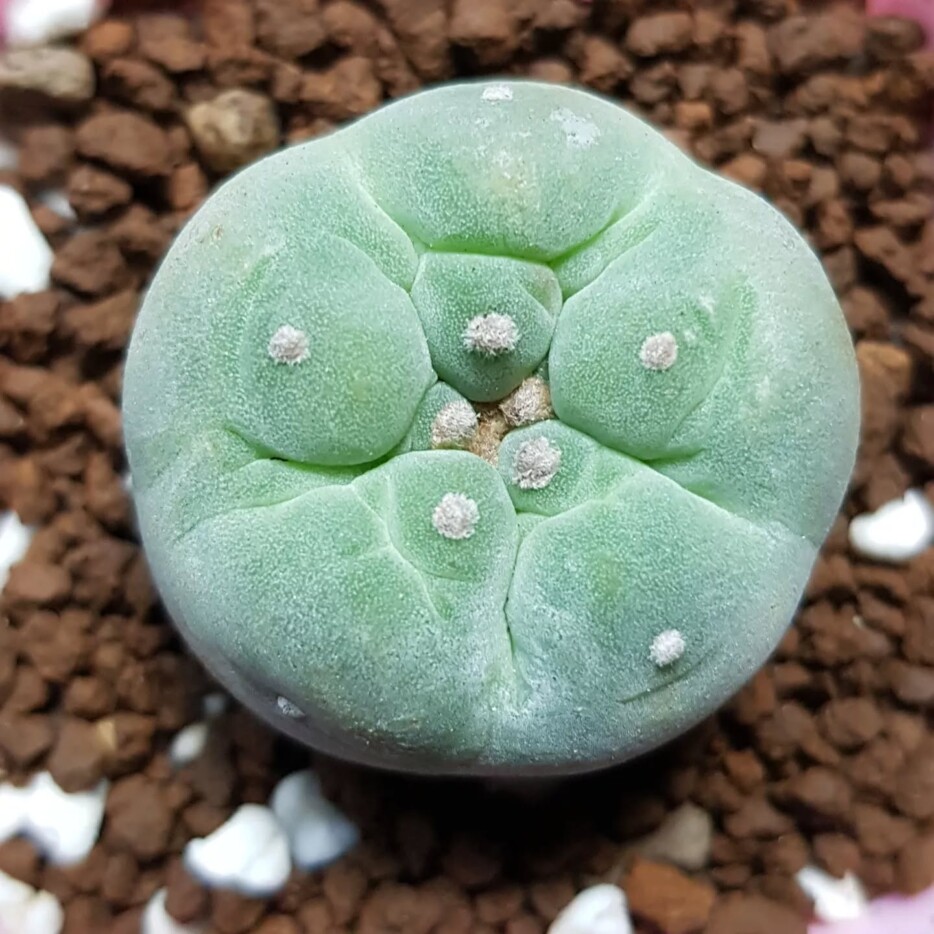
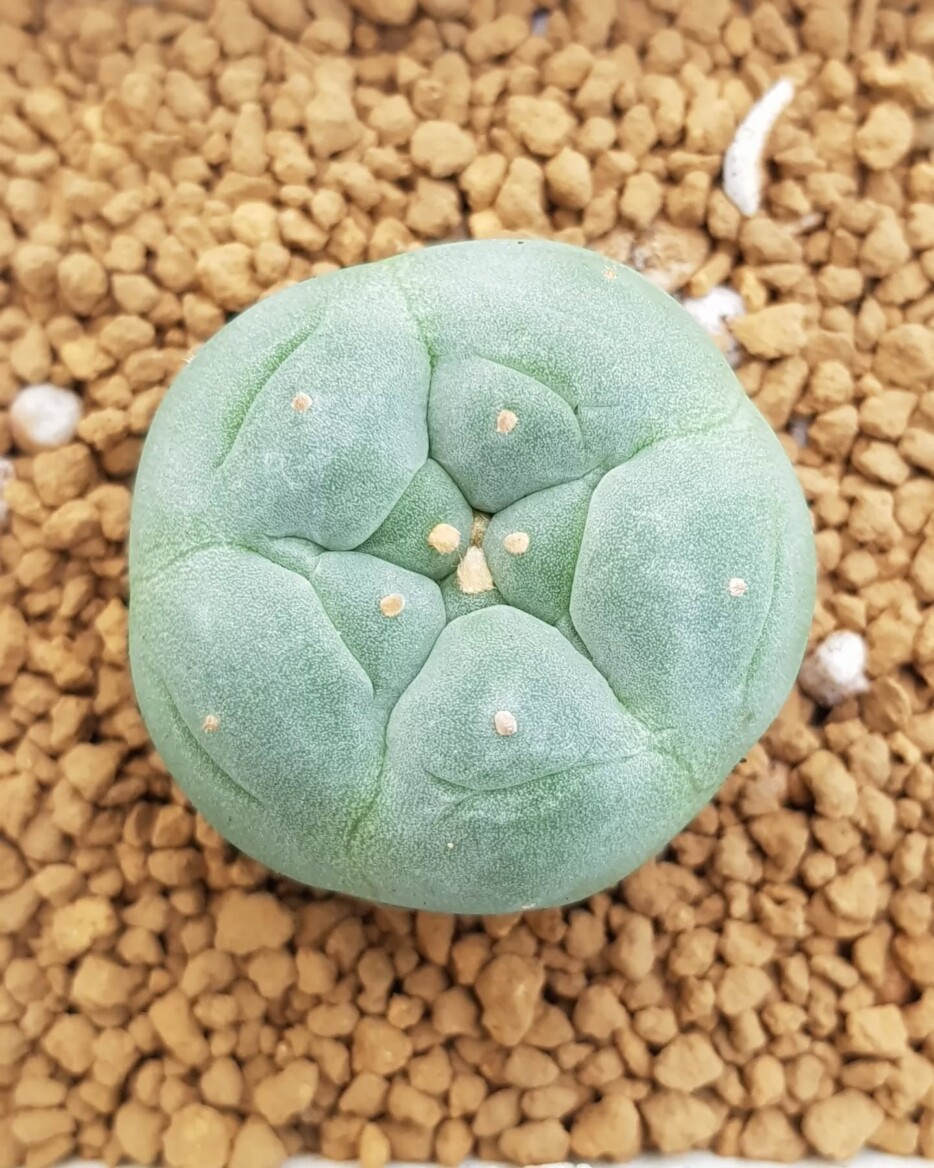
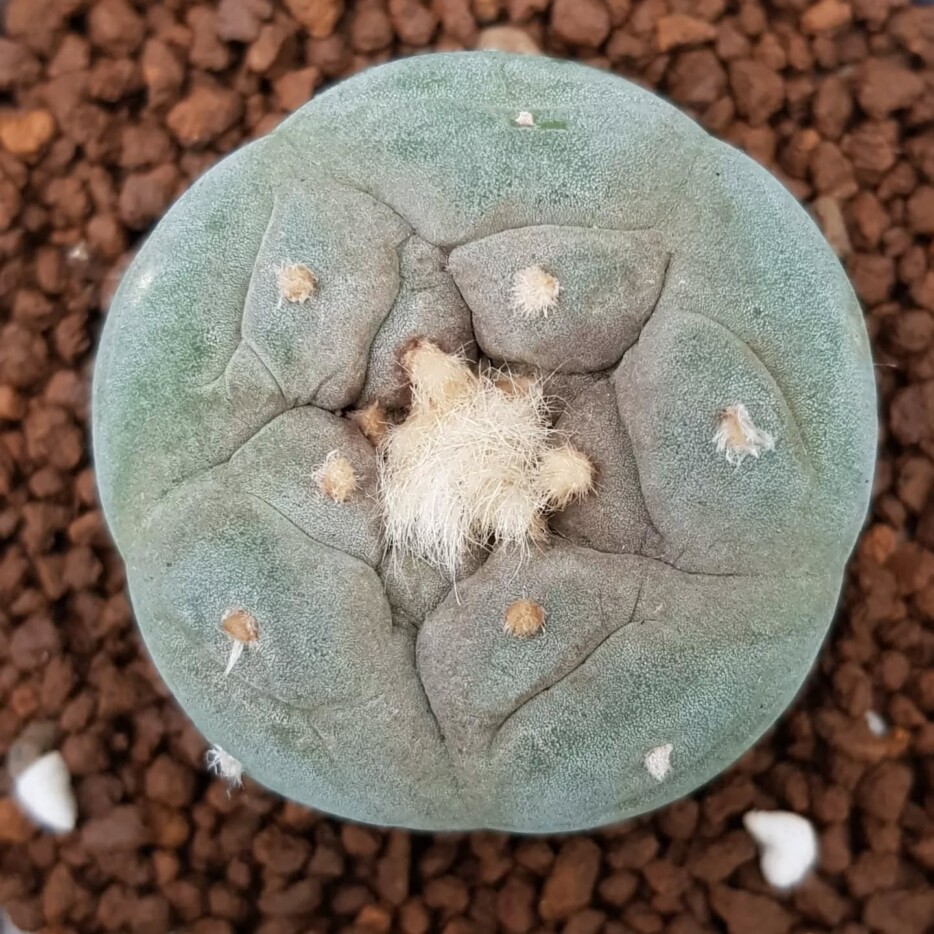
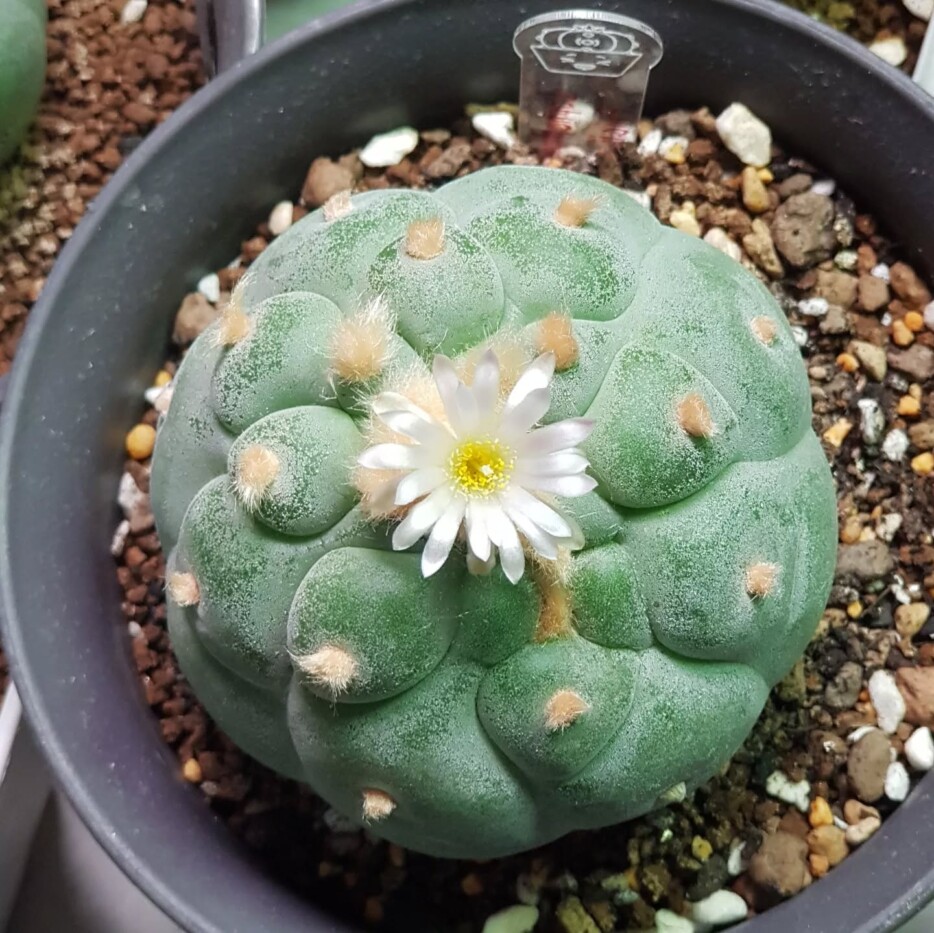
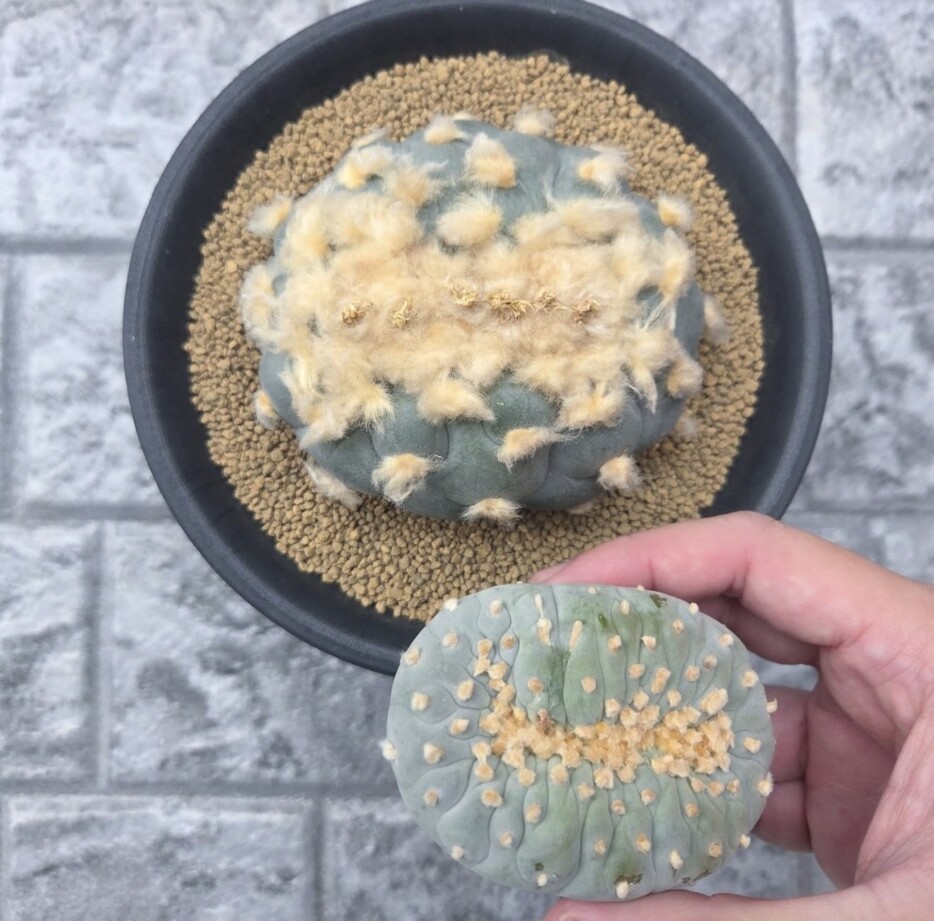
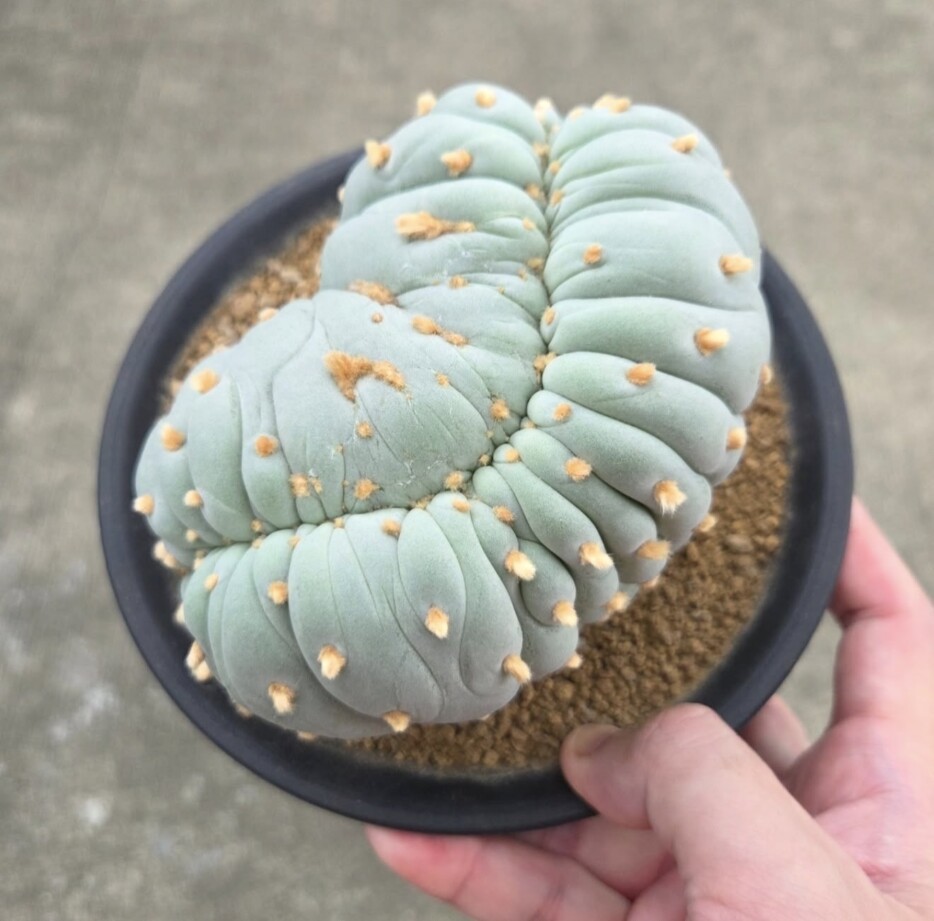
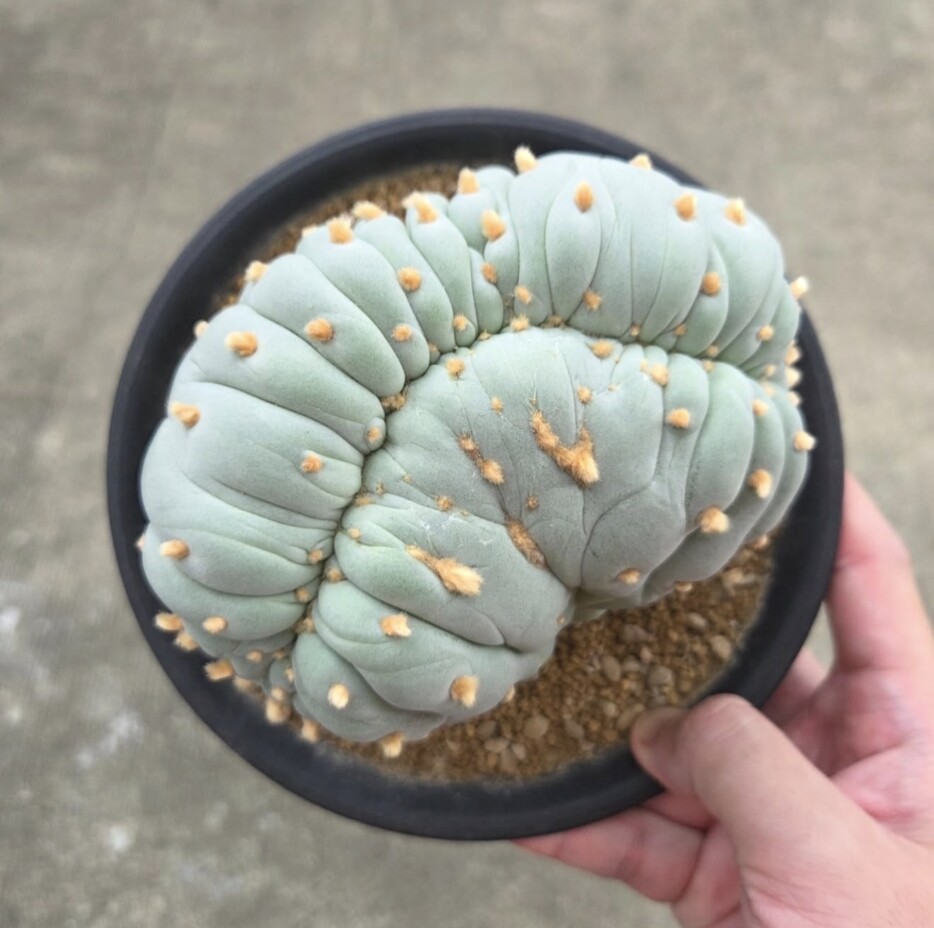
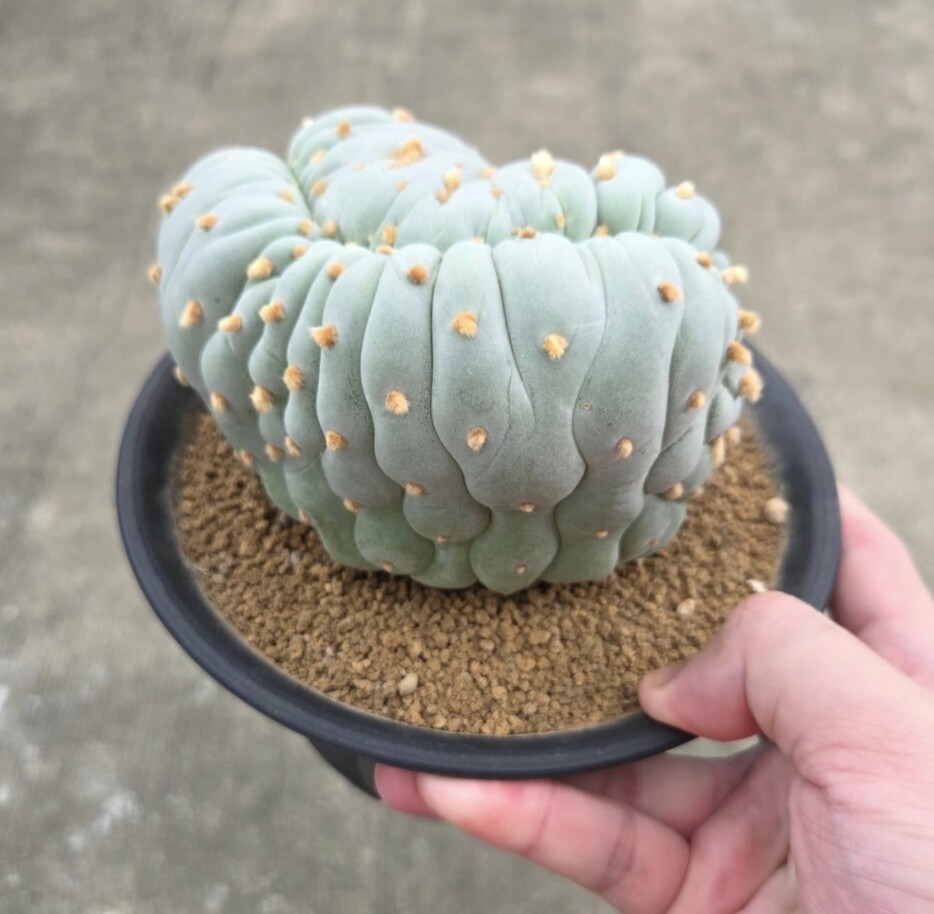
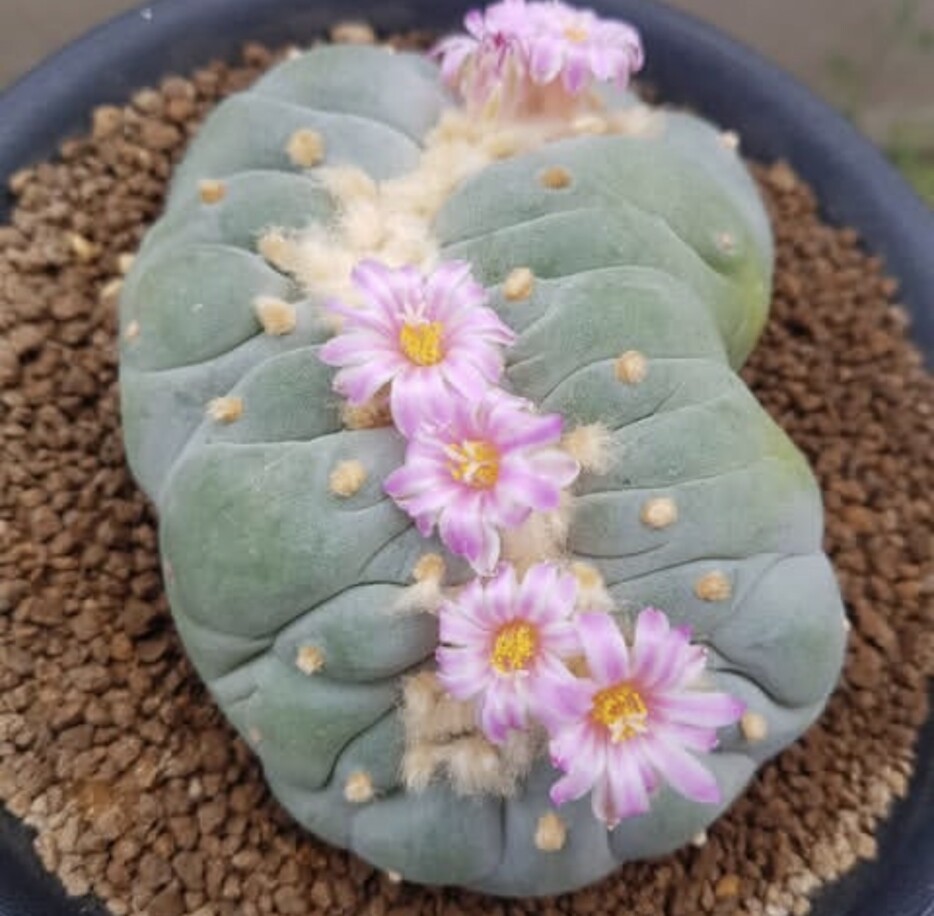
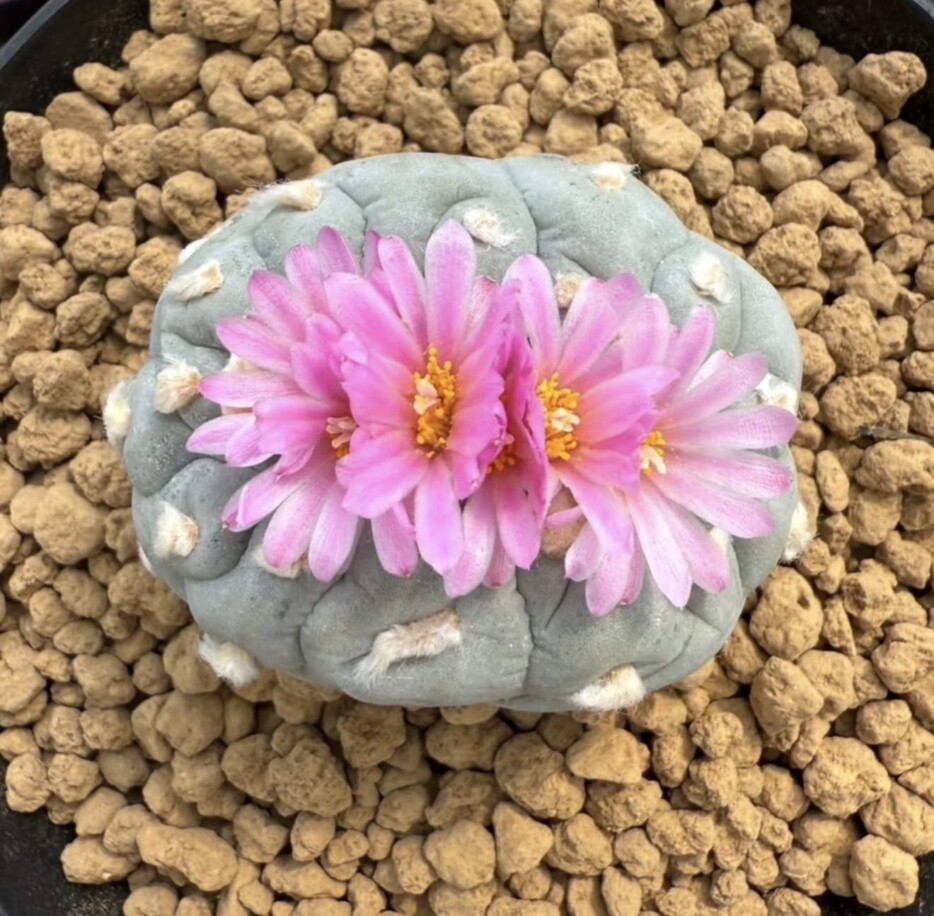
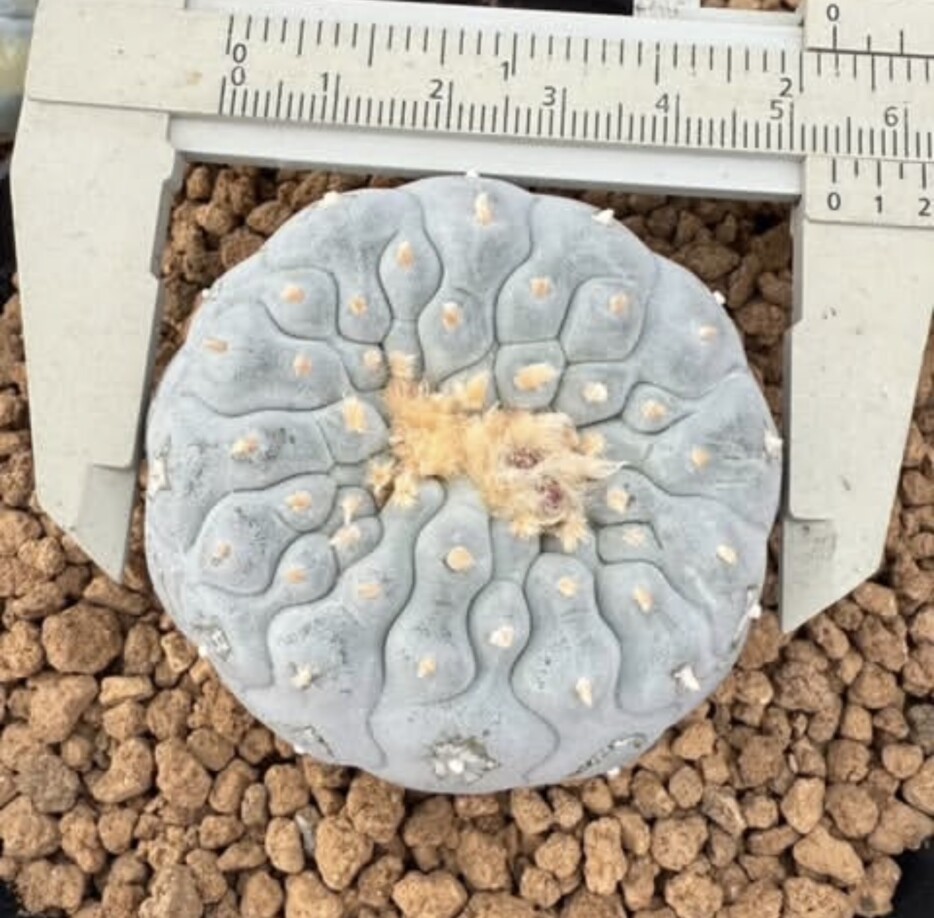
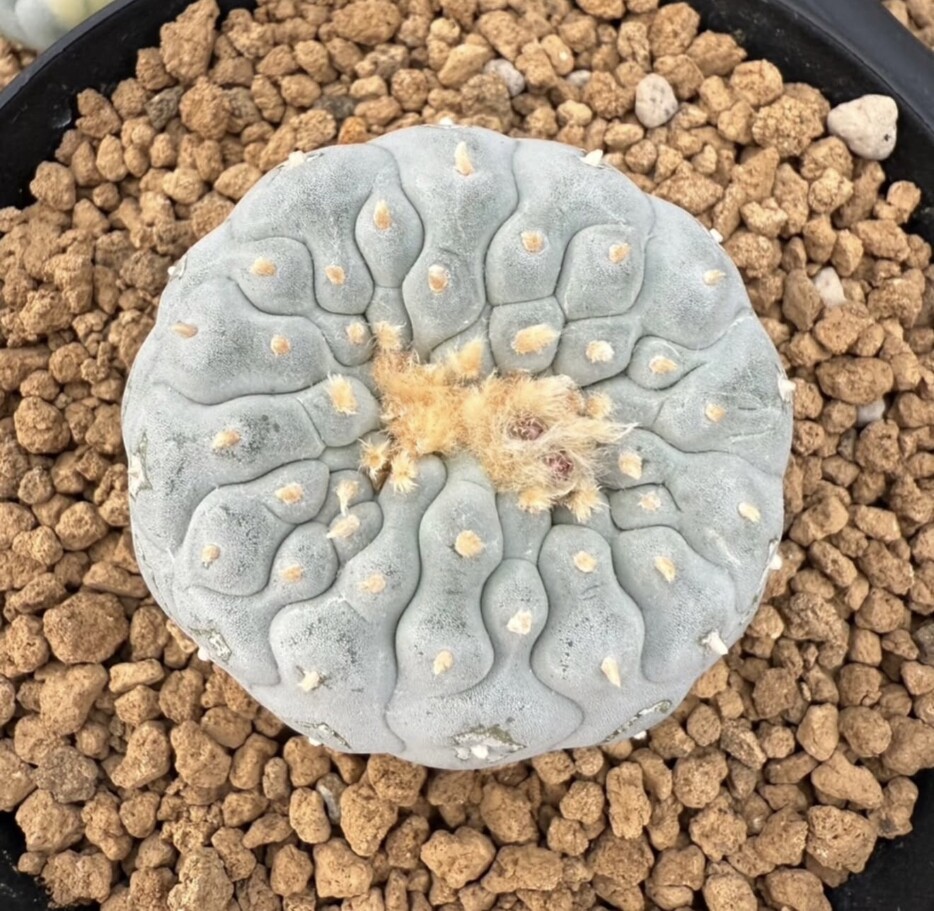
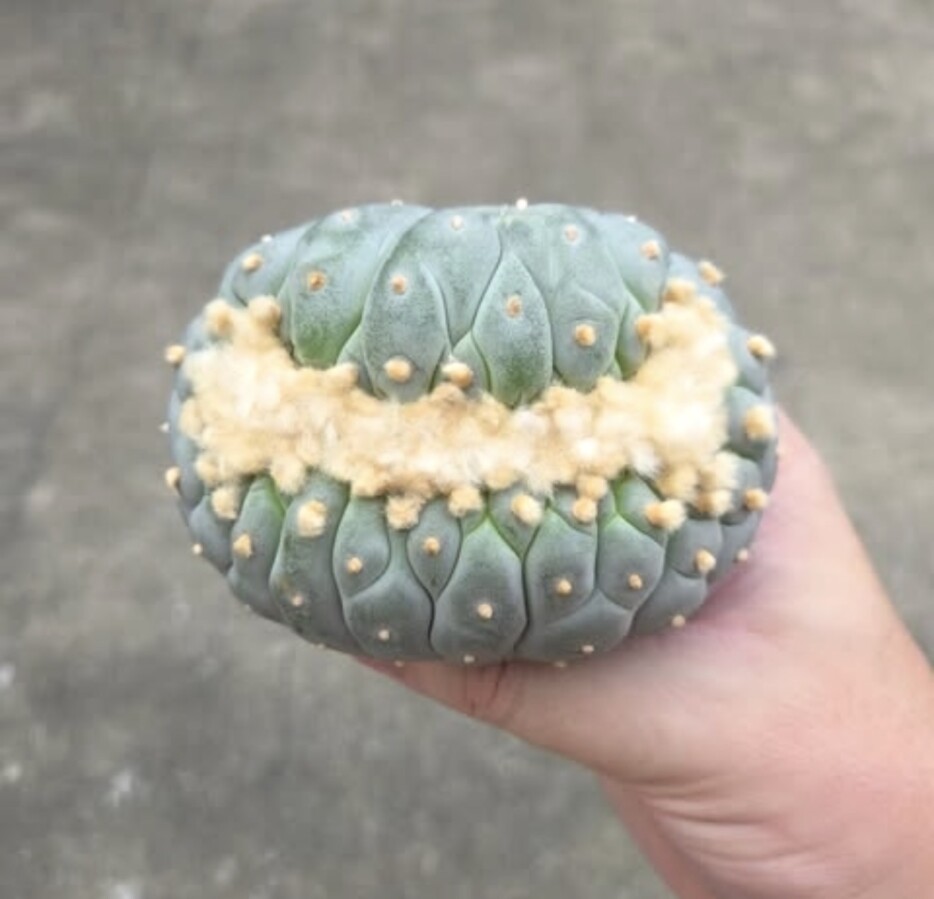
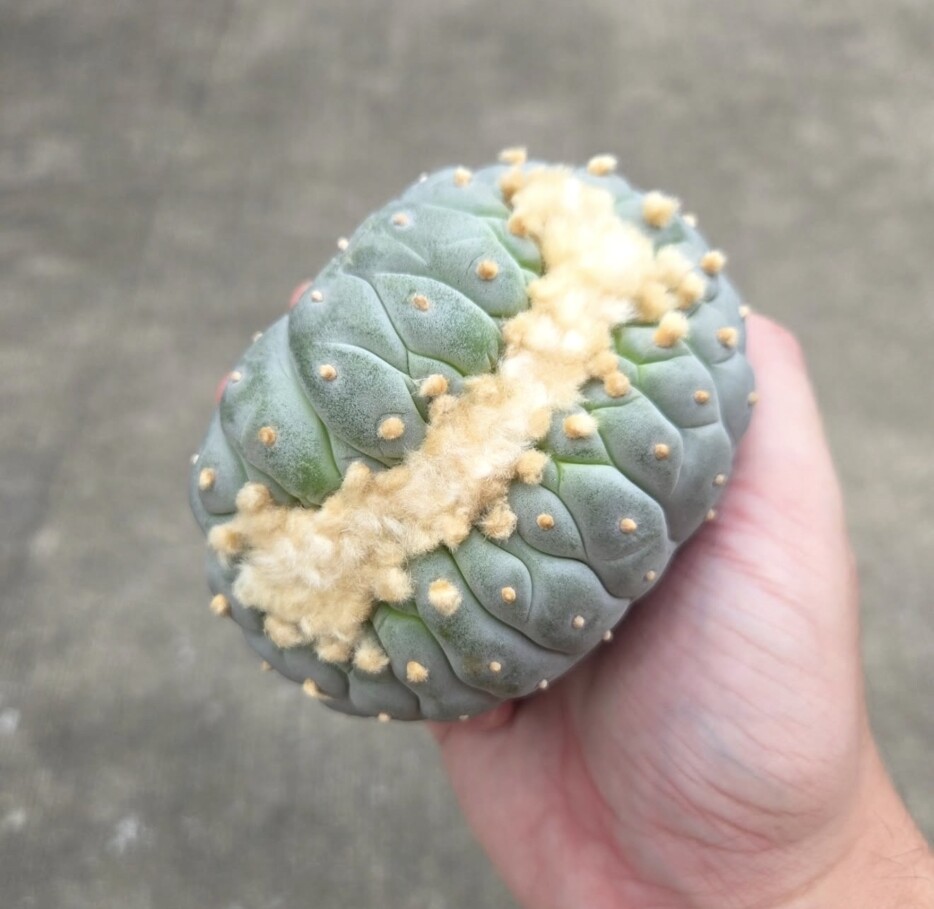
Introduction: The Timeless Allure of Peyote (Lophophora williamsii)
At caudexplants.com, we celebrate nature’s most intriguing and resilient plant forms—caudiciforms. Among the rarest and most iconic is peyote (Lophophora williamsii), a small, spineless cactus with immense historical, botanical, and horticultural value. With its distinctive button shape, slow growth, and cultural heritage stretching back millennia, peyote is not just a plant—it’s a living story.
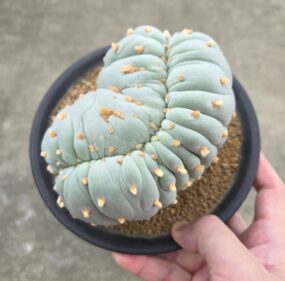
Whether you’re a passionate collector of rare caudiciforms or a botanical enthusiast drawn to sacred desert flora, Lophophora williamsii represents one of the most captivating species in the world of succulents.facbook group
1. What Is Peyote (Lophophora williamsii)?
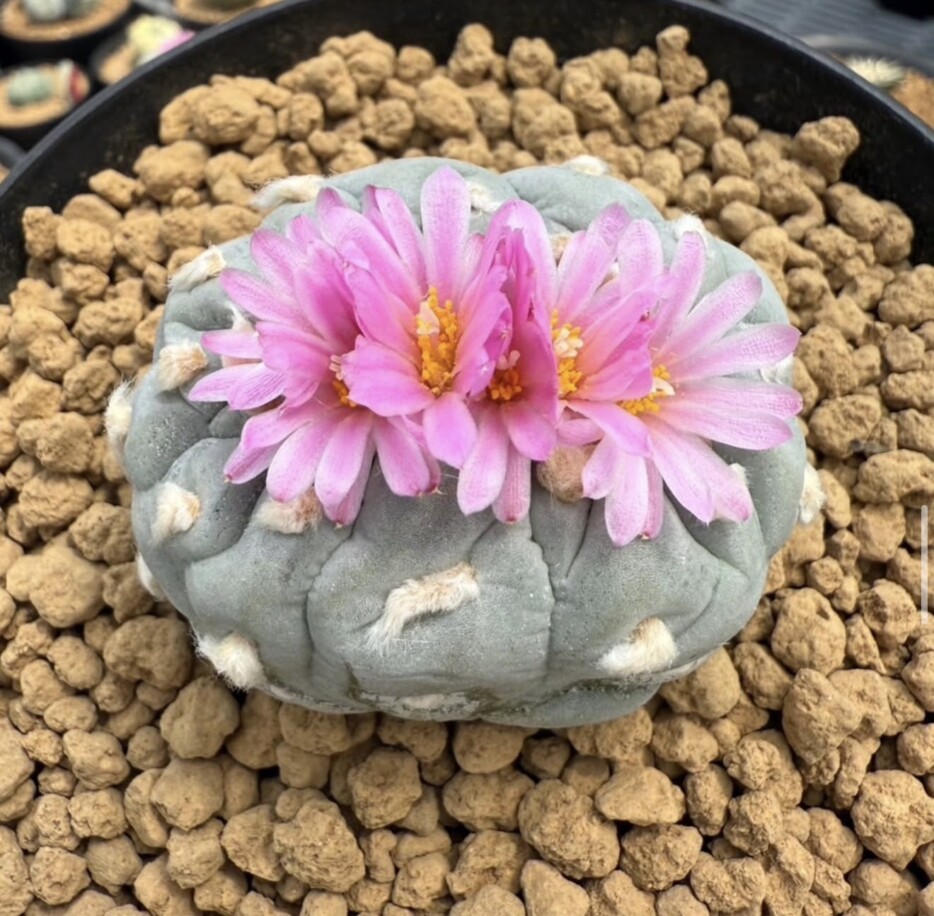
Peyote is a small, globular cactus native to the Chihuahuan Desert, spanning regions of northern Mexico and southern Texas. Scientifically known as Lophophora williamsii, it belongs to the Cactaceae family and is characterized by its:
-
Spineless, soft body
-
Bluish-green or gray-green coloring
-
Rounded “button” shape, often under 2 inches tall
-
Distinctive tufts of white trichomes
-
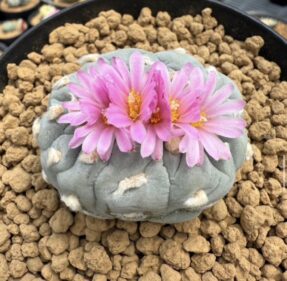
Beautiful pink to white flowers emerging from the crown
Unlike most cacti, peyote lacks spines—a trait that makes it unique among desert plants. This adaptation allows it to conserve energy and water, surviving in extreme arid conditions.
2. Peyote as a Caudiciform Plant
On caudexplants.com, we specialize in caudiciforms—plants with swollen bases or stems (caudices) used for water storage and survival in drought-prone regions. While peyote isn’t traditionally classified with large caudiciforms like Adenium or Pachypodium, it shares key traits:
-
A compact, thickened stem adapted to conserve moisture
-
Slow, steady growth over years or decades
-
A root system that expands like a subterranean caudex
This makes peyote (Lophophora williamsii) a perfect inclusion in any caudiciform-focused collection or display garden.
3. A History Rooted in Culture
Few plants carry the cultural and spiritual weight that peyote does. For over 5,000 years, Lophophora williamsii has been used ceremonially by Indigenous peoples of North America—particularly by Huichol, Cora, and Tarahumara communities.
Its role extends beyond botany:
-
Medicinal use: Traditionally used for physical and spiritual healing
-
Ceremonial significance: Integral to Native American Church practices
-
Art and symbolism: Featured in beadwork, textiles, and storytelling
At caudexplants.com, we respect the sacred origins of peyote, and we emphasize the importance of understanding its historical context—especially when cultivating it as a botanical specimen.
4. Natural Habitat of Lophophora williamsii
In the wild, peyote grows in:
-
Rocky limestone soils
-
Open scrublands and desert flats
-
Shaded spots beneath shrubs or rocks
The plant is incredibly slow-growing, often taking 10–15 years to flower in the wild, with some individuals living up to 30–40 years. Its success is rooted in its adaptation to extreme heat, intense sun, and minimal rainfall.
5. Morphology: Form and Function
The visual profile of Lophophora williamsii is deceptively simple but full of fascinating details:
-
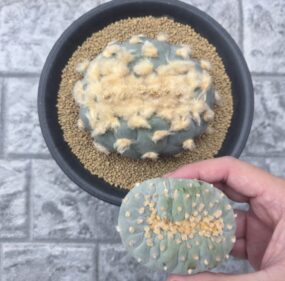
Ribs: Usually 5 to 13 shallow ribs give the cactus a rounded, scalloped appearance.
-
Areoles: Instead of spines, it has tufts of trichomes—soft, hair-like growths.
-
Flowers: Typically pale pink to white, about 1–2 cm in diameter.
-
Fruits: Tiny, club-shaped, and pink—pushing upward through the crown when mature.
Its understated beauty makes it an elegant addition to minimalistic desert-themed gardens or rare plant collections.
6. Cultivation and Growing Conditions
Growing peyote (Lophophora williamsii) requires patience and care, but the reward is a lifetime companion that thrives under the right conditions.
✔ Light
-
Full sun to partial shade
-
Indoors: south-facing windows or grow lights
✔ Soil
-
Gritty, well-draining cactus mix
-
Recommended: pumice, coarse sand, perlite
✔ Water
-
Minimal watering during active growth (spring–summer)
-
Allow soil to dry completely between watering
-
Winter: keep almost dry to prevent rot
✔ Temperature
-
Tolerates extreme heat
-
Minimum: 5°C (41°F); avoid freezing temperatures
✔ Fertilization
-
Occasional diluted cactus fertilizer during growing season
✔ Container Tips
-
Terracotta pots preferred for breathability
-
Shallow, wide containers to encourage flat root spread
Growing peyote from seed is a long-term endeavor, but for collectors, it’s part of the plant’s mystique and value.
7. Peyote from Seed: What to Expect
Seeds of Lophophora williamsii germinate in 7–21 days under controlled conditions. Key tips include:
-
Use sterilized substrate to avoid fungal infection
-
Maintain humidity with a transparent lid or humidity dome
-
Bottom heat (25–30°C or 77–86°F) encourages germination
-
Introduce light slowly after germination to avoid scorching
Seedlings are tiny and vulnerable for the first year. Growth accelerates in the second or third year but remains deliberately slow—part of what makes peyote such a respected specimen among enthusiasts.
8. Legal Considerations and Conservation
It’s important to understand that peyote (Lophophora williamsii) is listed as a controlled plant in many regions due to its psychoactive compounds. At caudexplants.com, we do not promote or encourage the misuse of this species.
Instead, we advocate for:
-
Conservation through responsible cultivation
-
Respecting indigenous and spiritual traditions
-
Complying with all local, state, and international laws
In the wild, peyote is threatened by:
-
Habitat destruction
-
Overharvesting
-
Illegal trafficking
Responsible cultivation can help preserve wild populations and provide opportunities for education, conservation, and scientific study.
9. Peyote vs. Other Lophophora Species
While Lophophora williamsii is the most well-known, there are other species and subspecies worth noting:
| Species | Notable Traits |
|---|---|
| L. diffusa | Paler green, softer ribs, faster growth |
| L. fricii | Larger flowers, more pronounced ribs |
| L. decipiens | Unique rib structure |
All share a similar compact, caudiciform form—making them suitable companions in a well-rounded cactus collection.
10. Displaying Peyote in a Collection
Because of its subtle elegance and symmetry, peyote is a showstopper in:
-
Minimalist cactus gardens
-
Ethnobotanical displays
-
Caudiciform specimen trays
-
Bonsai-style cactus pots
Pair it with complementary species like Ariocarpus, Astrophytum, or Turbinicarpus for a textural desert theme.
11. Propagation and Grafting
While peyote is best appreciated when grown slowly from seed, advanced growers may also explore:
-
Offsets (when present): Rare but occasionally form near base
-
Grafting onto fast-growing rootstock (like Pereskiopsis or Trichocereus) to accelerate growth for propagation purposes
Note: Grafted peyote often loses its natural form, so many collectors grow on its own roots for authenticity.
12. Why Collectors Value Peyote
Collectors around the world value Lophophora williamsii for its