- Your cart is empty
- Continue shopping
Shop
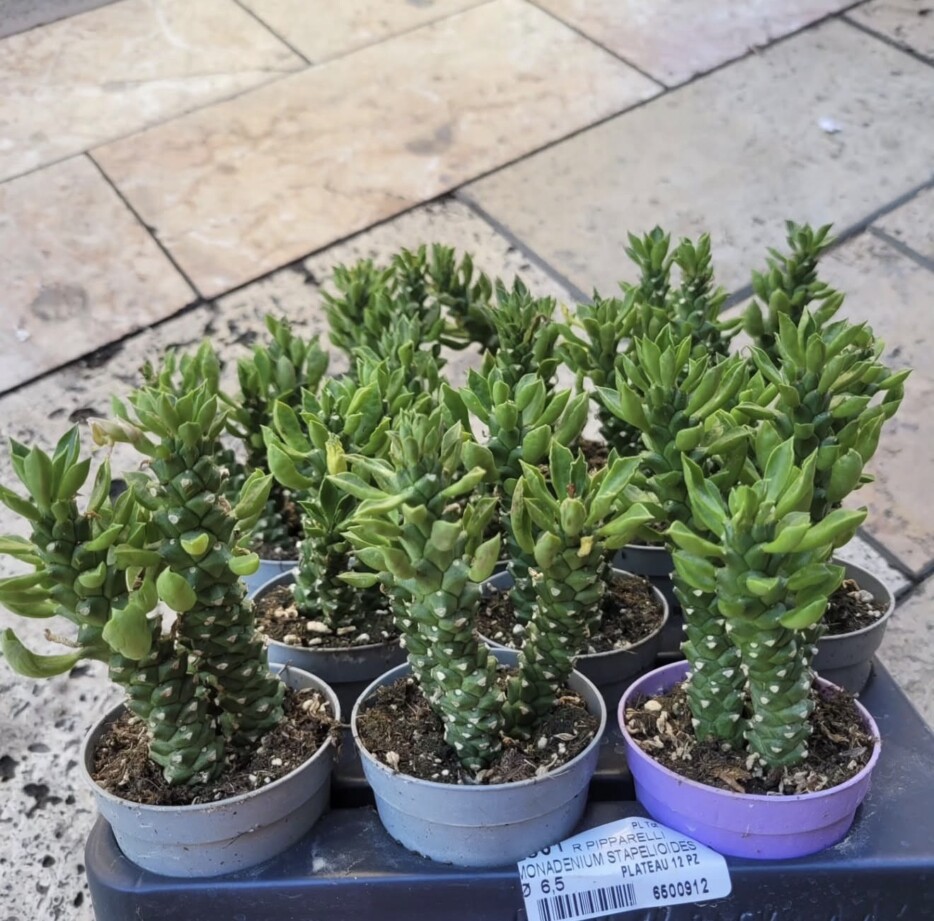
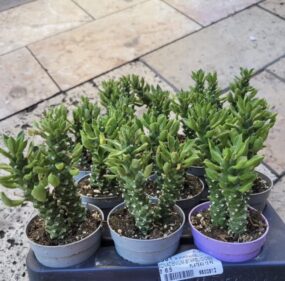
Monadenium Stapeliodes
Monadenium Stapeliodes
-14%


Original price was: $100.00.$86.00Current price is: $86.00.
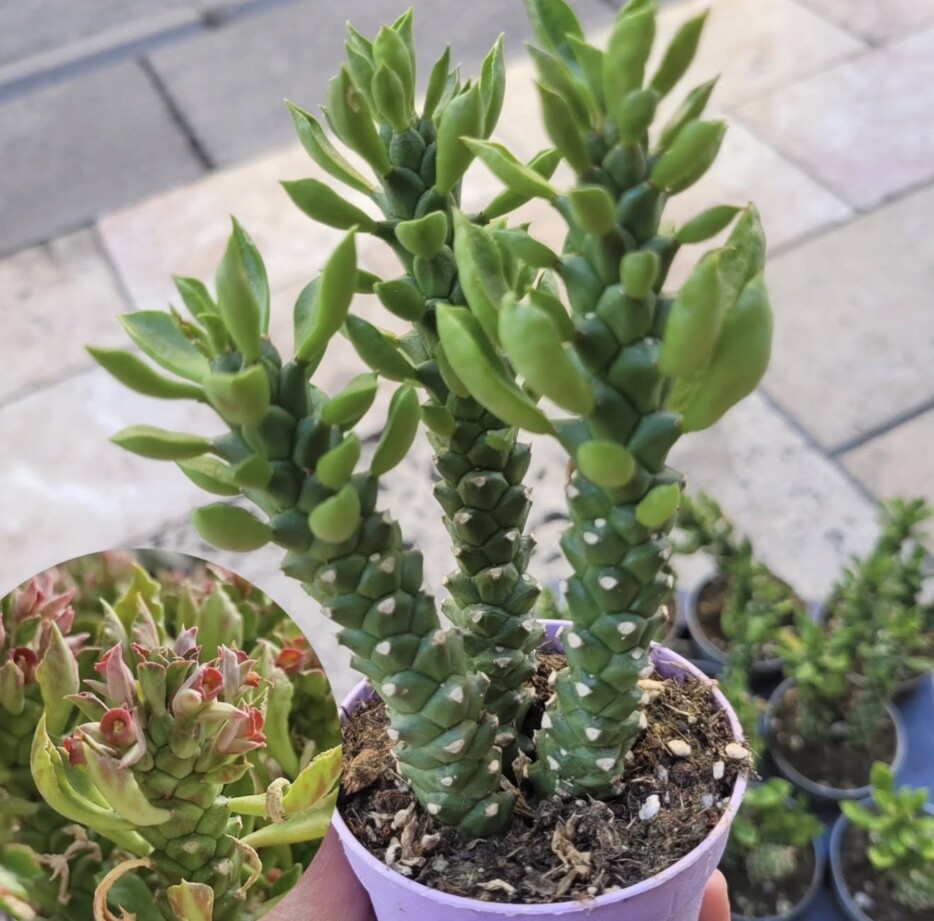
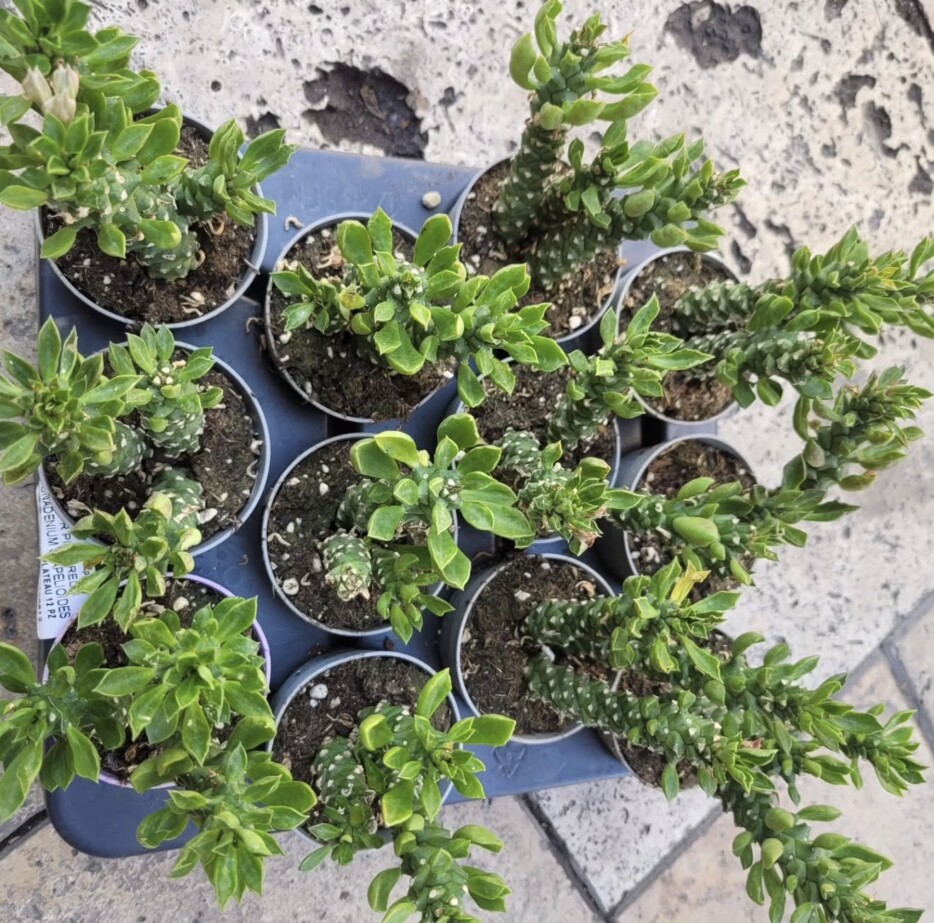
Discover Monadenium Stapeliodes – a rare, caudiciform succulent with striking tubercled stems, ideal for collectors and drought-tolerant gardens.
Add to cart
Buy Now
Introduction
Welcome to CaudexPlants.com — your premier destination for rare caudiciforms, succulents, and xerophytic treasures. Among our star offerings is Monadenium Stapeliodes, a succulent of architectural beauty and collector appeal. This plant embodies the elegance of structural form, seasonal rhythm, and the rugged survival strategies of drought‑adapted species. In this in‑depth guide, you’ll discover everything about Monadenium Stapeliodes: its characteristics, cultivation, propagation, challenges, display potential, and more.Join our facebook group
Whether you’re a seasoned succulent grower or exploring caudiciforms for the first time, this comprehensive account is designed to support your success with this remarkable species.
Botanical Background & Characteristics
Taxonomy & Nomenclature
-
Genus: Monadenium
-
Species: Stapelioides
-
Family: Euphorbiaceae
Though some references classify it under Euphorbia (as Euphorbia neostapelioides or Euphorbia succulenta), the name Monadenium Stapeliodes remains widely used among collectors and hobbyists.
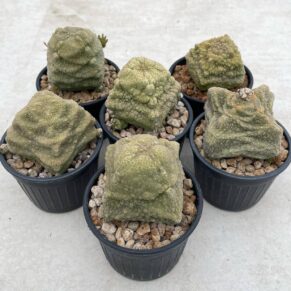
Succulent reference sources describe Monadenium Stapeliodes as a glabrous perennial plant, branching from a fleshy rootstock and forming a domed cushion of multicolored stems
Native Habitat & Adaptation
Originating from Kenya and Tanzania, Monadenium Stapeliodes thrives in rocky grasslands, open bushland, and well‑draining, lateritic soils.
Its native environment challenges the plant to endure sun, heat, drought, and nutrient‑poor soils. These pressures have shaped its survival traits:
-
A fleshy caudex or rootstock to store water
-
Highly efficient drainage and root systems
-
Seasonal or periodic dormancy
-
Structural stem form aiding water conservation
Understanding its native ecology is key to recreating viable cultivation conditions.
Morphology & Visual Description
Growth Habit & Stems
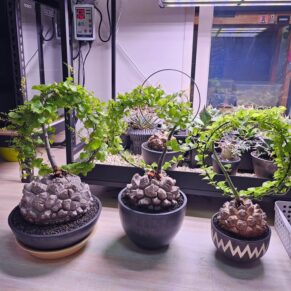
Monadenium Stapeliodes typically forms a domed cushion up to ~60 cm in diameter, with multiple stems branching from the base.
Stems may be erect or arching, sometimes flopping or hanging beyond the pot’s edge.
They carry prominent tubercles arranged spirally or in patterns, often giving a tessellated appearanc
Leaves
Leaves emerge at growing points and from tubercle apices. They are typically small, fleshy, and short-lived—often dropping in dry or dormant periods.
Under favorable conditions, leaves may display green with purple streaks; in variegated forms, cream or pink variegation may appear.
Flowers (Cyathia) & Reproduction
As a member of the Euphorbiaceae family, Monadenium Stapeliodes produces cyathia—compact cup-like inflorescences containing male and female flower
Flower colors tend toward pale pink, white, or light green.
Because the species can be dioecious, individual plants may produce only male or female flowers; to obtain seeds, you’ll need both sexes. Biology Insights+1
Seed capsules are lobed, and seeds are multangled—typical of Euphorbia lineage.
Variability & Forms
There is considerable variation in stem thickness, tubercle size, coloration, and leaf retention across plants. P
A notable form is variegated Monadenium Stapeliodes, which retains its leaves longer and displays cream, pink, or streaked variegation
Cultivation & Care
Cultivating Monadenium Stapeliodes successfully means replicating its natural balance of light, temperature, moisture, and soil—while guarding against the perennial risk of rot.
Light & Exposure
-
The plant thrives under bright, indirect light or morning sun; avoid harsh midday sunlight especially in hot climates. Too much shade leads to etiolation (stretched, weak growth).
-
When moving a plant outdoors, increase sun exposure gradually to prevent sunburn.
Temperature & Climate
-
Ideal daytime temperatures: ~20 °C to 30 °C
-
Nighttime lows should not fall below ~15 °C (or risk cold damage)
-
The plant is not frost-tolerant; even moderate cold can harm it
-
In winter or off-season, keep it in a dry, cool—but not freezing—environment
Soil & Potting Medium
A sharp, well-draining substrate is essential. Recommended components include:
-
Pumice, perlite, coarse sand, or grit
-
Cactus or succulent mix as base
-
Optional additions: crushed rock, volcanic gravel
Never use heavy organic soils that retain moisture. Use a pot with drainage holes and avoid saucers that retain standing water.
Watering Strategy
-
During active growth periods (spring – early fall), use the “soak and dry” method: water thoroughly only when the soil is fully dry.
-
In winter or dormancy, greatly reduce watering or stop altogether.
-
Overwatering is the main threat to Monadenium Stapeliodes. Even in coarse soils, saturated, cold moisture can lead to rot.
-
It is better to err on the side of underwatering (brief stem shrivel) than risk rot.
Fertilization
-
During active growth, feed sparingly (e.g. once per month) using a diluted fertilizer suitable for succulents.
-
Avoid fertilizing during dormancy.
-
Overfertilization may cause weak growth or salt buildup, which invites disease.
Repotting & Root Health
-
Repot every 1–2 years (or when root-bound) during early active season.
-
Choose a slightly larger pot (just enough room) to avoid excessive moisture retention.
-
Inspect and trim any damaged or soft roots before replanting.
-
After repotting, wait several days before watering to allow roots to stabilize.
Handling & Safety
As with many Euphorbiaceae plants, Monadenium Stapeliodes produces milky sap (latex), which can irritate skin and eyes. When cutting or handling, always wear gloves and eye protection. Clean any sap contact with soap and water.
Propagation
Growing new plants of Monadenium Stapeliodes can be rewarding. Two main methods exist: stem cuttings and seed propagation.
Propagation via Stem Cuttings
This method is often most practical:
-
Choose a healthy stem and make a clean cut (sterile tools recommended).
-
Allow the cut end to dry and form a callus over several days to a week.
-
Place the callused cutting into a well-draining rooting medium (e.g., coarse sand + pumice).
-
Keep the cutting under bright, indirect light and moderate warmth.
-
Water sparingly — occasional misting or very light moisture is better than saturation.
-
Once roots take hold (often weeks), you can gradually treat the cutting as a mature plant.
Propagation via Seeds
Growing from seed is slower but useful for genetic variation:
-
Sow seeds in a fine, well-draining seed mix.
-
Maintain gentle moisture (not soggy) and warmth (~20–25 °C).
-
Provide bright, indirect light.
-
When seedlings form true leaves and become robust, transplant into individual pots.
-
Acclimate gradually to brighter light and standard watering.
Because Monadenium Stapeliodes may be dioecious, ensure you have compatible male and female plants if seed production is desired.
Common Issues & Troubleshooting
Even with careful care, growers may encounter problems. Below are common challenges with Monadenium Stapeliodes and how to address them.
Root or Stem Rot
Problem: Soft, mushy tissues at the base or roots, dark discoloration.
Causes: Overwatering, poor drainage, cold damp conditions.
Solution: Remove the plant, trim away rotted portions, allow healthy tissue to callus, repot into fresh dry mix, resume watering conservatively.
Sunburn / Scorching
Problem: Bleached or blistered patches on stems.
Causes: Sudden exposure to intense midday sun.
Solution: Gradually acclimate to higher light; provide shade during hottest hours.
Etiolation (Stretching)
Problem: Thin, weak, elongated stems reaching toward light.
Causes: Inadequate light intensity or duration.
Solution: Increase light exposure, rotate plants for even light, cut back and re-root healthy segments if necessary.
Pest Infestations
Common pests: Mealybugs, spider mites, scale insects.
Prevention & Remediation:
-
Regular inspections, especially around joints and under leaves
-
Wipe or brush pests manually
-
Use insecticidal soap or systemic treatments safe for succulents
-
Quarantine affected plants
-
Avoid overly damp microclimates
Leaf Drop / Premature Leaf Loss
Since leaves are often ephemeral, leaf drop is sometimes natural. But excessive loss may signal:
-
Cold stress
-
Overwatering
-
Drought stress
-
Nutrient imbalance or salts
Address by stabilizing temperature, watering carefully, and occasionally flushing the substrate to leach salts.
Failure to Flower
Causes may include:
-
Immaturity of the plant
-
Suboptimal light or nutrition
-
Absence of both sexes (when dioecious)
-
Environmental stress
To encourage flowering:
-
Provide bright, consistent light
-
Ensure moderate fertilization
-
Cultivate a restful dormant period
-
Grow both male and female individuals if seed is desired
Display, Aesthetic & Use Ideas
Because Monadenium Stapeliodes is structurally compelling, it offers excellent display opportunities.
Container & Pot Choices
-
Use shallow, wide pots to provide stability and accommodate the caudex spread
-
Terracotta or unglazed pots help wick moisture
-
Light-colored or neutral pots help emphasize stem texture and color contrast
Grouping & Landscape Use
-
Combine with other caudiciforms or succulents (e.g. Pachypodium, Adenium, Xerosicyos) for visual contrast
-
In rock gardens or succulent trays, mimic its native rocky niche
-
Use accent stones or gravels around stems to highlight geometry
Lighting Display
-
Use directional or spot lighting to cast shadows and emphasize tubercle texture
-
Under grow lights or greenhouse setups, rotate for even development
Seasonal Rotation
-
Outdoors in bright conditions (morning sun, filtered afternoon shade) during warm months
-
Indoors or in protected settings during cooler seasons, maintaining adequate light and dryness
Educational Labeling
When displayed in a collection or nursery, consider labeling with:
-
Botanical name: Monadenium Stapeliodes
-
Growth habit and notable traits
-
Care synopsis (light, water, soil)
-
Safety note about sap/latex
This not only informs viewers but builds confidence in prospective buyers.
Variegated & Special Forms
Among Monadenium Stapeliodes plants, variegated forms are highly prized.
Variegated Monadenium Stapeliodes
-
Displays lighter patches (cream, white, pink) in stem or leaves
-
Often retains leaves longer (even into cooler seasons)
-
Requires brighter light to maintain variegation, but with caution to avoid sunburn
-
Slower growth due to reduced chlorophyll
When offering variegated specimens, emphasize their rarity, unique appearance, and special care needs.
Other mutations or growth forms, such as crested or fasciated stems, may also appear and are highly collectible.
Why Choose CaudexPlants.com & What We Offer
On CaudexPlants.com, our dedication is to bring you the very best in caudiciform and succulent species — and Monadenium Stapeliodes is a centerpiece of our selection. Here’s how we distinguish ourselves:
-
We provide healthy, well-acclimated plants grown under careful supervision
-
Our plants are quality‑selected, ensuring good form, vigor, and rarity
-
We supply detailed care guides, tailored for Monadenium Stapeliodes, helping you succeed
-
We curate special and variegated forms, not just the standard types
-
We support community engagement — growers can share photos, tips, and experiences
-
We adopt safe handling and shipping practices, ensuring your plant arrives healthy
We believe that every plant purchase should come with knowledge, support, and confidence — and our content is structured to deliver exactly that.
Frequently Asked Questions (FAQ)
Q: Is Monadenium Stapeliodes toxic?
A: Yes. Like many Euphorbiaceae succulents, it contains latex sap that can irritate skin and eyes. Always wear protective gloves and eyewear when handling, cutting, or propagating.
Q: How often should I water Monadenium Stapeliodes in winter?
A: In its semi-dormant winter phase, watering should be greatly reduced or suspended altogether. Only water if stems show severe shrivel and substrate is bone dry.
Q: Why is my plant stretching (etiolated)?
A: It is likely not receiving enough light. Increase intensity or duration of light, reposition plant, or supplement with grow lighting.
Q: How do I get it to flower?
A: Ensure adequate light, mild fertilization, maturity, and possibly both male and female plants for cross-pollination. Avoid overwatering during off-season.
Q: How do I root a cutting successfully?
A: Cut a healthy stem, allow it to callus for several days, plant in a coarse, well-draining mix, keep under bright indirect light, and water lightly until roots are established.
Conclusion
Monadenium Stapeliodes is more than just a succulent — it is a living fusion of structure, resilience, and botanical elegance. Its textured stems, seasonal rhythm, and the possibility of variegation make it a prized specimen for any caudiciform enthusiast.
On CaudexPlants.com, we don’t just sell plants — we share the deep appreciation, understanding, and care strategies necessary to cultivate these wonders sustainably. Whether you’re nurturing your first Monadenium Stapeliodes or expanding into specialty forms, this guide and our curated offerings aim to support your success.