- Your cart is empty
- Continue shopping

Learn how to grow and care for Ipomoea holubii with expert tips. Discover the best growing conditions, soil, and maintenance for this stunning flowering plant.Order your ipomoea at :caudexplants.com
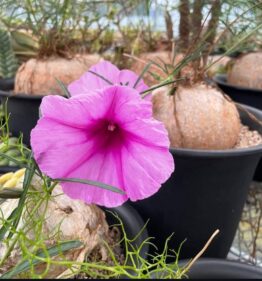

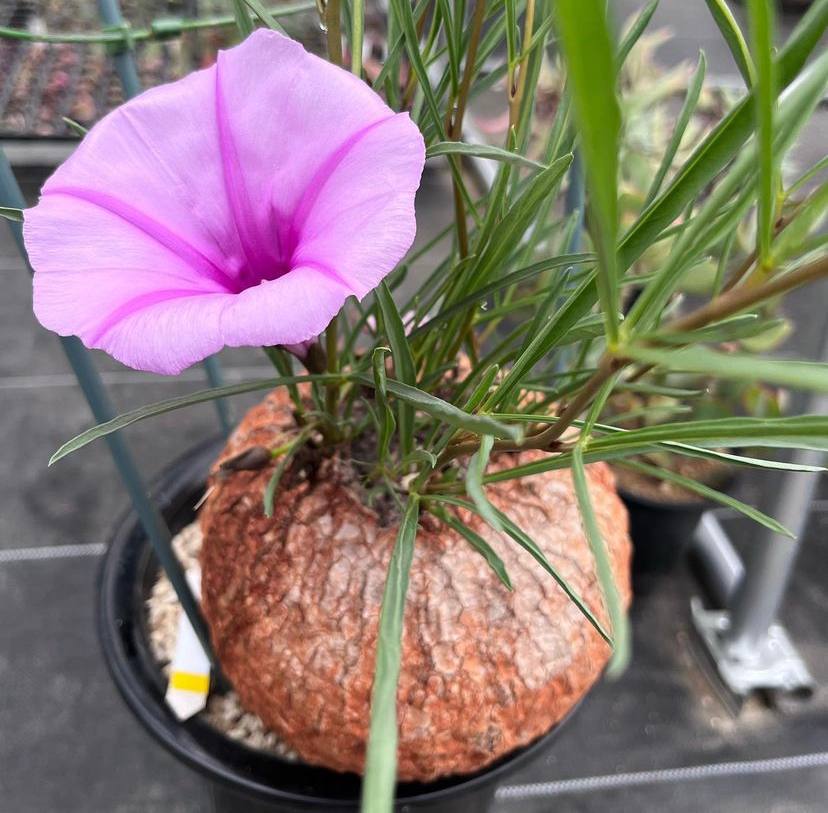

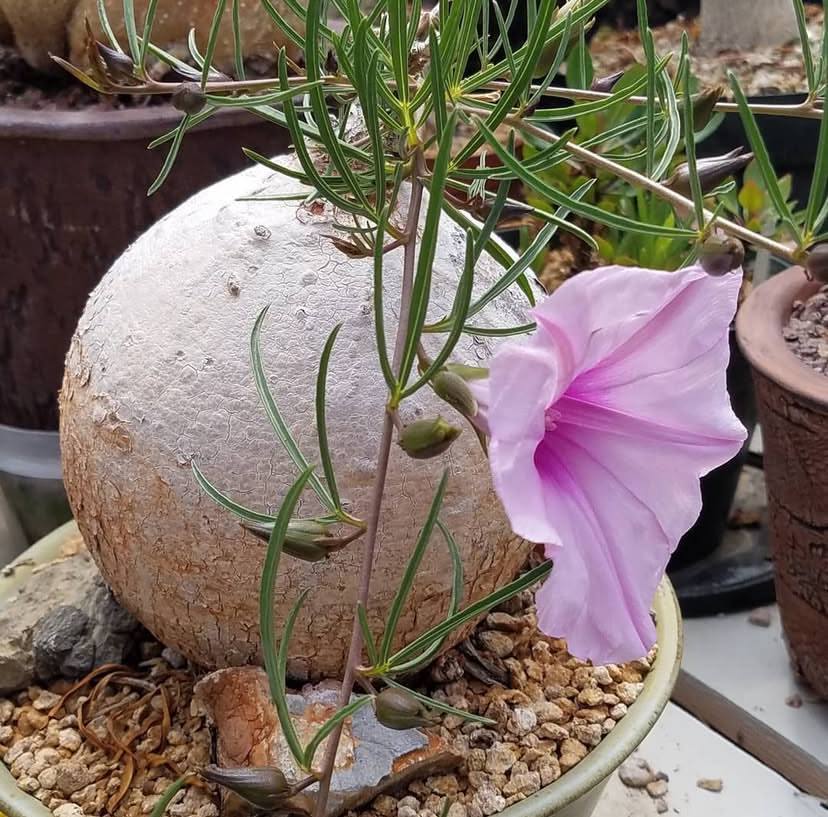

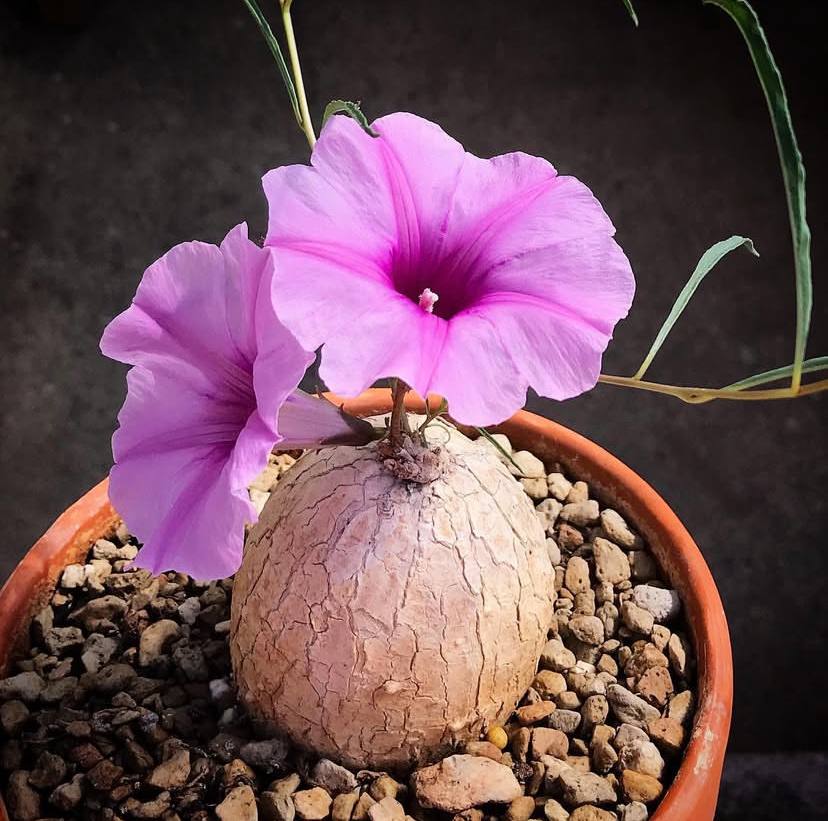


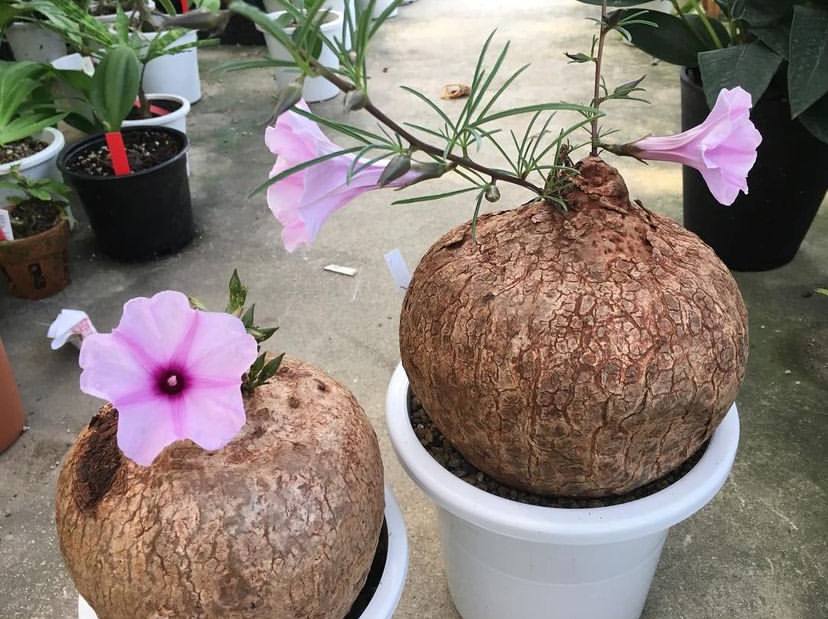

Price range: $80.00 through $299.90
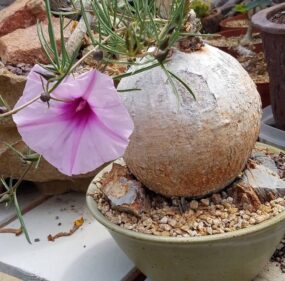
Ipomoea holubii thrives in warm temperatures and is best suited for growing in USDA hardiness zones 9 through 11. Ideal daytime temperatures for this plant range from 70 to 85°F (21 to 29°C), while nighttime temperatures should not drop below 50°F (10°C). Frost can severely damage or kill Ipomoea holubii, so it is typically grown as an annual in cooler climates. If you live in an area prone to colder weather, consider growing Ipomoea holubii in containers that can be moved indoors during the winter months.Order your ipomea at:caudexplants.com
In terms of humidity, Ipomoea prefers moderate humidity levels. It can tolerate drier conditions but may benefit from occasional misting or being placed near a humidifier if grown indoors in a dry climate. Maintaining optimal humidity levels encourages lush growth and ensures the health of your plant.
Fertilizing plays an important role in how to grow Ipomoea successfully. During the growing season, it’s beneficial to feed Ipomoea holubii with a balanced, water-soluble fertilizer. A 10-10-10 fertilizer works well for this plant, providing a steady supply of nitrogen, phosphorus, and potassium. Fertilize the plant once a month during the growing season to encourage vigorous growth and abundant blooms.Order your ipomea at:caudexplants.com
In addition to providing general nutrients, you can also add organic matter like compost to the soil to improve its fertility. Be cautious not to over-fertilize, as too much fertilizer can result in excessive foliage growth at the expense of flowers. By maintaining a balanced approach to fertilization, your Ipomoea will thrive and produce a stunning display of flowers.
Pruning and training are essential in how to grow Ipomoea holubii to maintain its shape and encourage healthy, bushy growth. Regular pruning helps control the size of the plant, particularly if you’re growing it on a trellis or fence. Cutting back leggy or dead vines will promote new growth and more flowers. Ipomoea can also be trained to climb structures or sprawl across the ground, depending on your preference.
To prune, remove any dead or damaged stems, and trim back excessively long vines to keep the plant looking tidy. Pruning during the early spring before the growing season begins can help rejuvenate the plant and allow it to grow more vigorously throughout the season.
Although Ipomoea is relatively resilient, it can sometimes face challenges from pests and diseases. Common pests that may affect Ipomoea holubii include aphids, whiteflies, and spider mites. These pests can be managed with organic insecticides, neem oil, or a simple soap solution. Regularly inspect the undersides of leaves and stems for signs of pests, and take prompt action if any are detected.Order your ipomea at:caudexplants.com
Fungal diseases like powdery mildew can also affect Ipomoea, especially in areas with high humidity. To prevent fungal issues, ensure the plant is well-ventilated and avoid overhead watering, which can create a moist environment conducive to fungal growth. If your plant does develop mildew, remove affected leaves and apply a fungicide or neem oil to help control the spread.
| size | small, medium, large |
|---|