
- Your cart is empty
- Continue shopping
Shop
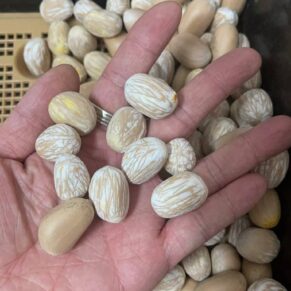
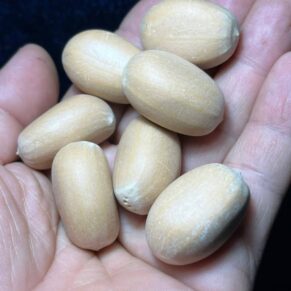
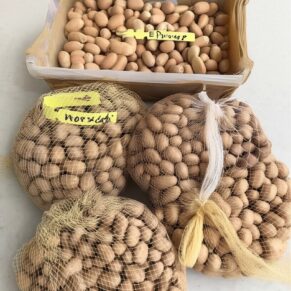
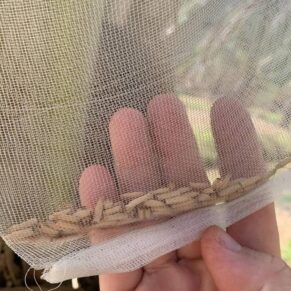
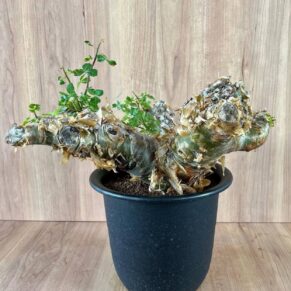
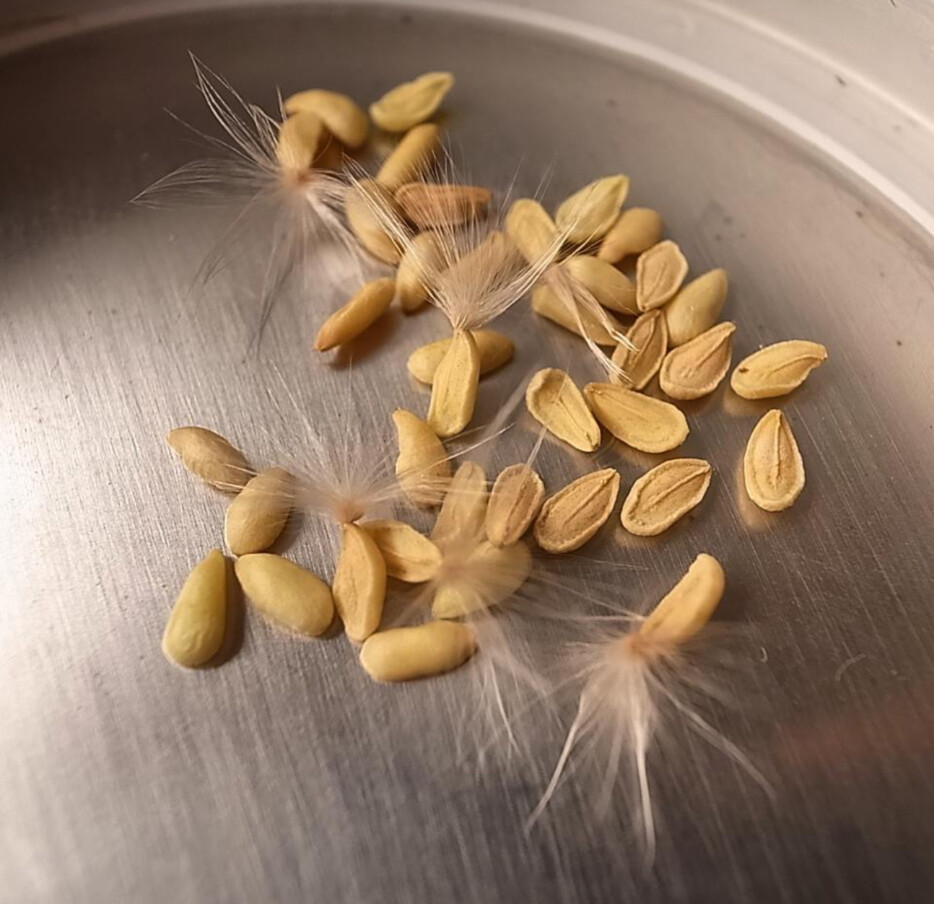
pachypodium densiflorum seeds
pachypodium densiflorum seeds
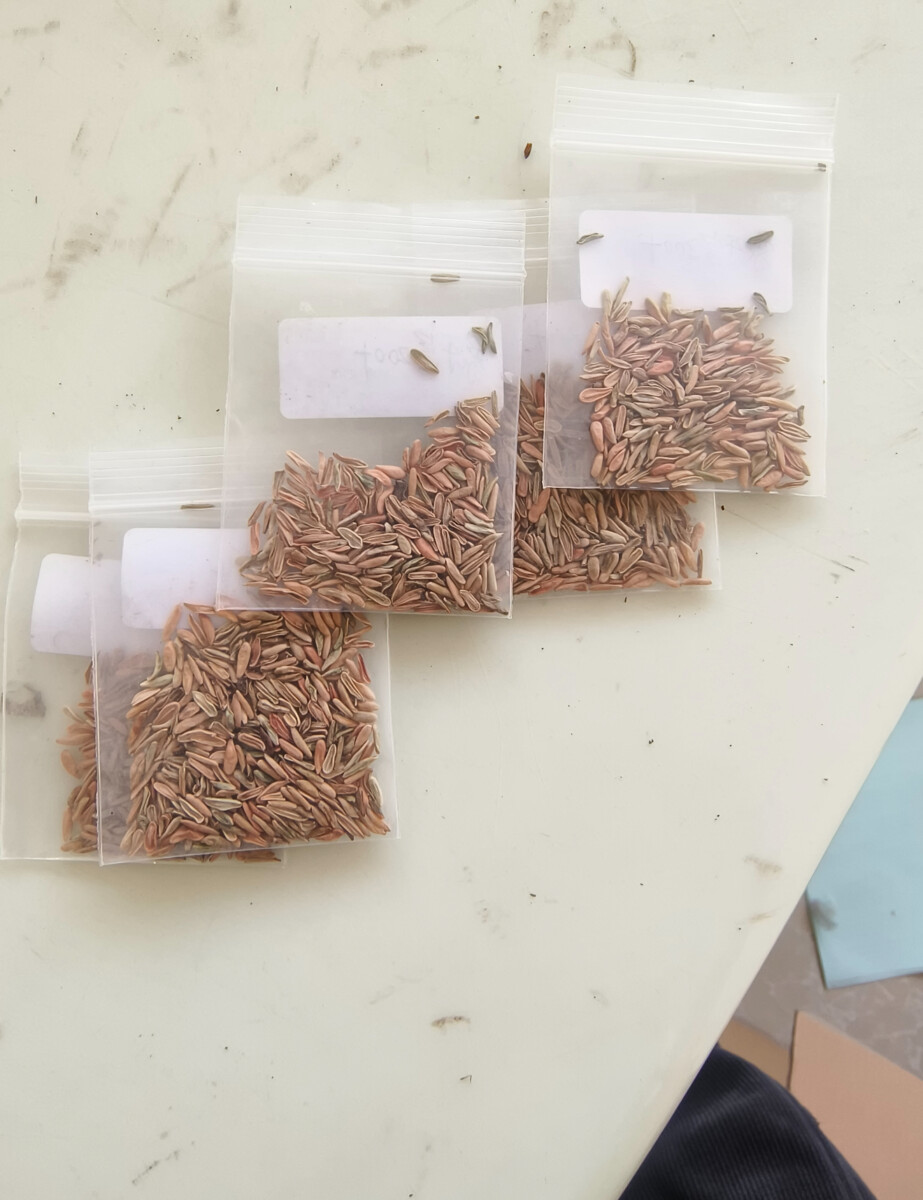

Price range: $45.00 through $400.00
Premium Pachypodium densiflorum seeds for collectors and growers—high germination, rare origin, and expert cultivation guidance.
Qty
Choose an option
Add to cart
Buy Now
Discover and Grow: Premium Pachypodium Densiflorum Seeds
Welcome to your ultimate destination for cultivating rare and extraordinary plants—where you’ll find pachypodium densiflorum seeds in the finest quality, delivered with all the guidance you need to turn them into thriving botanical treasures. If you’re passionate about exotic succulents, xerophytes, or unique caudiciform plants, you’ve come to the right place. Our carefully sourced pachypodium densiflorum seeds for sale promise high germination rates, genetic diversity, and authenticity. In this comprehensive guide, you’ll learn all about the plant’s origin, characteristics, propagation, care tips, ideal soil mixes, lighting requirements, watering schedule, common challenges, and ways to enhance growth—plus inspiring projects and design ideas featuring your very own pachypodium densiflorum seeds. Let’s dive deep into the world of this stunning succulents and unlock your greenest potential.Facebook group
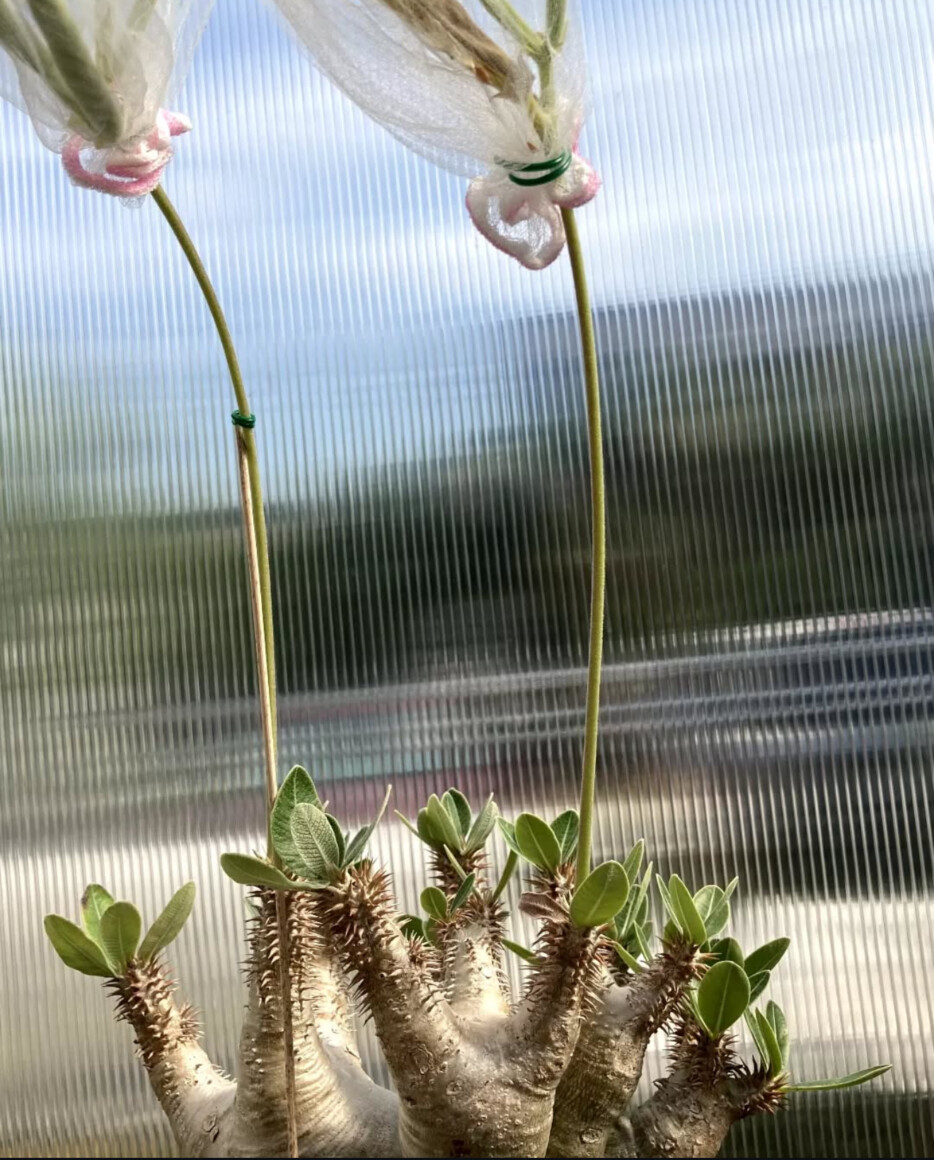
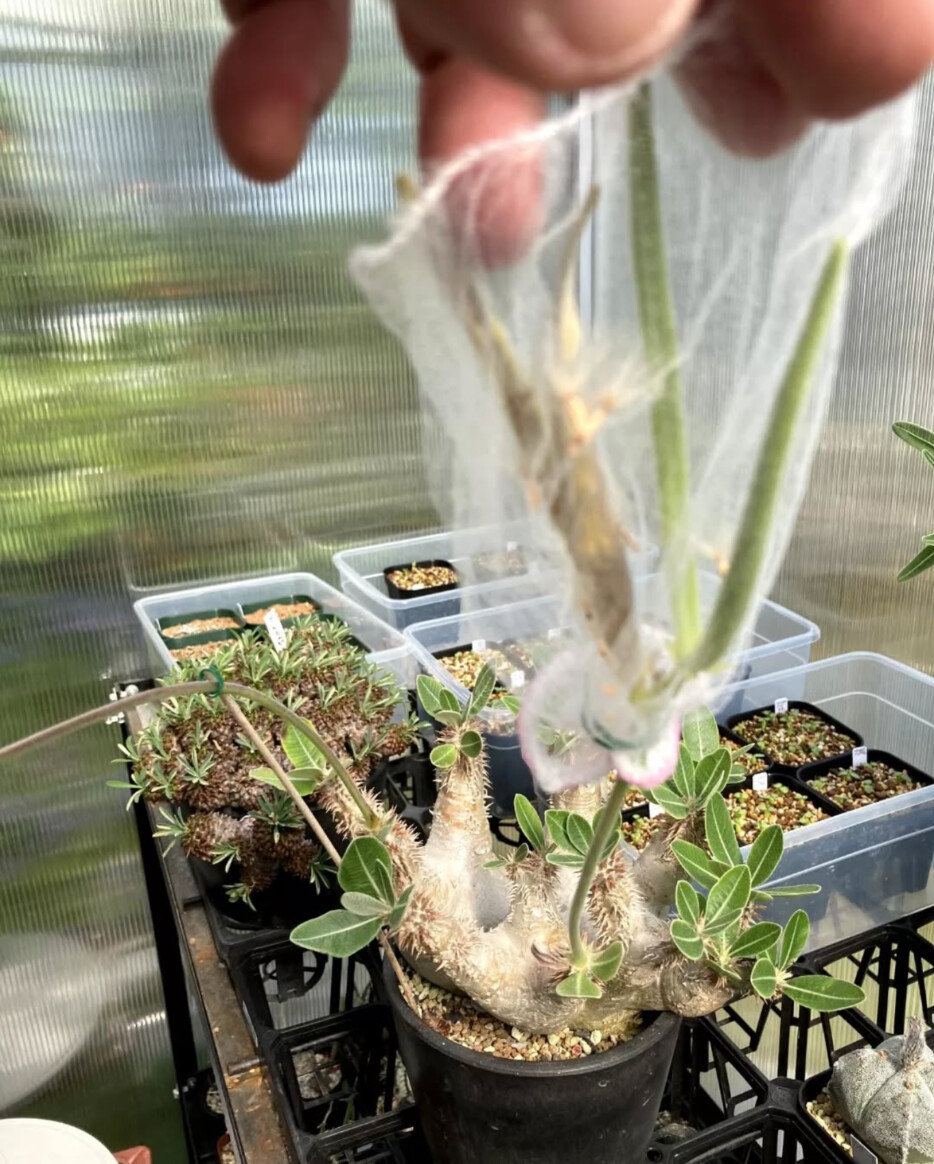
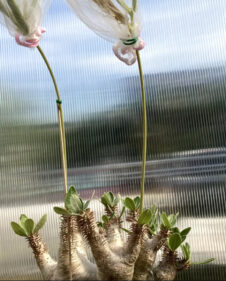
1. Botanical Background & Origin The plant species Pachypodium densiflorum is a unique, caudiciform succulent native to central Madagascar. It’s known for its thick, swollen stem (caudex), spiny branches, and lush green foliage that showcases its adaptation to arid conditions. Our pachypodium densiflorum seeds are sourced from reputable collections preserving natural genetic lines, ensuring you cultivate authentically wild‑type specimens. Introduced to succulent enthusiasts in the 19th century, this plant has become a prized collector favorite, but remains fairly rare due to limited seed availability. That makes our pachypodium densiflorum seeds particularly valuable—they offer a rare chance to begin your own collection from the very start. The fruits develop on mature, flowering plants in favorable conditions, eventually forming pods that split to release seeds engineered to survive dry spells—a testament to nature’s resilience. By choosing these seeds, you’re participating in both conservation and horticultural adventure.
2. Why Choose Seeds Over Mature Plants
Opting for pachypodium densiflorum seeds rather than buying mature specimens brings a host of benefits:
-
Affordability: Seeds are much more economical, giving access to the species at a lower cost.
-
Personal Growth: Watching a plant evolve from seed to mature form is deeply rewarding.
-
Genetic Variety: Each seed may express unique traits, offering delightful surprises in form, spine pattern, and branching.
-
Sustainability: Supporting seed propagation removes pressure on wild populations.
-
Educational Value: Growing from seeds teaches patience, observation, and plant care skills—all central to horticulture.
Our pachypodium densiflorum seeds are exceptionally suited for beginners and seasoned growers alike, as they enable hands‑on learning about germination, dormancy breaking, and long‑term propagation strategies.
3. Germination Guide for Pachypodium Densiflorum Seeds
Getting a high germination rate from pachypodium densiflorum seeds requires care and patience. Here’s a step‑by‑step manual:
-
Pre‑treatment:
Soak your pachypodium densiflorum seeds in warm (not hot) water for about 12‑24 hours. This softens seed coats and encourages quicker radicle emergence. -
Growing Medium:
Use a well‑draining, sterile mix—such as 50% pumice or perlite combined with 50% fine, coarse‑grained succulent mix. Some growers recommend adding a bit of horticultural charcoal. -
Sowing Method:
Plant seeds just below the surface (about 2–3 mm deep). Place them at moderate spacing in small trays or pots to reduce overcrowding. -
Temperature & Lighting:
Maintain consistent warmth: 25–28 °C (77–82 °F) is ideal during the day, with night temperatures not dropping below 18 °C (64 °F). Provide bright, indirect light—avoid harsh midday sun. -
Moisture Management:
Keep the mix lightly moist but not soggy. Use a fine mist spray or bottom watering. Covering the tray with clear plastic can help retain humidity during the first 7–10 days. -
Germination Timeline:
Germination usually occurs within 7–21 days, though some seeds may take up to a month. Once the tiny seedlings emerge, gradually acclimate them to drier air and remove any covering. -
Gradual Hardening:
Over two weeks, expose seedlings to increasing light and airflow, then begin light watering cycles. Monitor carefully—they’re delicate at this stage, but resilient once established.
Using this method, the pachypodium densiflorum seeds you sow will develop into robust seedlings capable of withstanding more challenging conditions later.
4. Seedling Care & Development
Once the seedlings from your pachypodium densiflorum seeds have sprouted:
-
Potting up: After developing a few true leaves, transplant seedlings individually into small cacti/succulent pots with the same fast‑draining mix.
-
Light requirements: Provide gentle, bright morning or late afternoon sun. Avoid intense midday rays which can scorch tender leaves.
-
Watering routine: Allow the soil surface to dry between watering, then deeply water until excess drains. In cooler months (or if you have central heat), reduce frequency.
-
Fertilization: Use a diluted, low‑nitrogen balanced fertilizer (e.g. 10‑10‑10) at quarter strength during the growing season every 4–6 weeks.
-
Growth monitoring: As seedlings mature, observe for root‑bound conditions or early signs of etiolation; repot if needed to encourage healthy expansion of the root ball.
-
Pest prevention: Young seedlings can be vulnerable to damping‑off fungus and pests like fungus gnats. Good airflow, sterilized media, and judicious watering help prevent issues.
With diligent care, seedlings from pachypodium densiflorum seeds can double in size within a year, developing stronger caudexes and the beginnings of the species’ distinctive branching.
5. Long‑Term Growth & Maturation
As your plants grow:
-
Pot selection: Choose shallow, wide containers to accommodate the caudex expansion and avoid overly deep pots that retain moisture.
-
Soil tweaks: Over time, mix in coarse grit/expanded clay to further boost drainage and avoid root rot.
-
Watering seasonal adjustments:
-
Growing season (spring/summer): Water thoroughly, then allow the upper inch of soil to dry.
-
Rest period (fall/winter): Drastically reduce watering; just enough to prevent full desiccation.
-
-
Light exposure: Introduce gradually to stronger sun to encourage caudex thickening and proper form.
-
Temperature tolerance: Keep above 10 °C (50 °F)—they don’t tolerate frost. If kept outdoors, protect from heavy rain or extreme cold.
-
Training & Shaping: As your pachypodium densiflorum seeds develop into young plants, branches may be guided for aesthetic form or bonsai applications. Use soft ties or adjust light direction to influence structure.
-
Flowering potential: After several years under optimal conditions, mature plants may produce fragrant white to pale yellow blossoms at branch tips. Encouraging flowering often involves a pronounced dry/rest period and substantial light during bloom season.

pachypodium densiflorum seeds
6. Soil Mix Recipes & Variations
Creating ideal mixes helps ensure success:
Basic Fast‑Drain Mix (Seedlings to Young Plants):
-
50% pumice or coarse sand
-
30% succulent/cacti potting soil
-
20% perlite or coarse grit
Advanced Blend for Mature Plants:
-
40% gritty bark or decomposed granite
-
30% pumice or crushed lava rock
-
20% coarse sand
-
10% organic-free cacti mix (low in peat, high in mineral content)
Alternative Lightweight Mix:
-
60% crushed pumice or expanded clay
-
20% horticultural charcoal
-
20% coarse sand
Make sure your containers have drainage holes and avoid holding trays that collect excess water around pots. With these mixes, your plants that started from pachypodium densiflorum seeds will thrive in aerobic, low‑moisture environments ideal for long‑term growth.
7. Common Challenges & Troubleshooting
Here are issues you might encounter and how to navigate them:
-
Damping‑off (seedlings): Caused by overly wet conditions. Solution: Improve airflow, reduce humidity, use fresh sterile media.
-
Root Rot: In mature plants, this often stems from poor drainage. Repot into fresh gritty mix, trim mushy roots, and cut back watering.
-
Etiolation (leggy growth): Leads to weak, elongated stems. Provide more direct light and rotate plant regularly.
-
Pests (mealybugs, scale, spider mites): Inspect regularly. Use organic insecticidal soap or neem oil sparingly.
-
Sunburn: Sudden bright sun can scorch leaves. Introduce light gradually.
-
Flower failure: If the plant refuses to bloom, ensure distinct dry rest, high light, and cooler nights to simulate native conditions.
By anticipating these potential pitfalls, you set your pachypodium densiflorum seeds‑grown plants up for resilience and beauty.
8. Design & Display Ideas
Once your plants developed from pachypodium densiflorum seeds reach a few years old and display their signature caudex:
-
Pot pairing: Display in raw terra‑cotta or rustic ceramic pots to highlight the plant’s sculptural form.
-
Rock gardens: Combine with other caudiciforms or desert‑style succulents to create a striking, low‑maintenance display.
-
Indoor minimalism: A single mature plant on a pedestal or modern planter can serve as a living sculpture.
-
Outdoor rockery: In frost‑free areas, situate your pachypodium alongside gravel mulch and other heat‑loving succulents.
-
Bonsai adaptation: With careful pruning and wiring, you can encourage miniature, branching forms that echo bonsai aesthetics.
These design ideas not only showcase your creation from pachypodium densiflorum seeds but also celebrate its exotic architectural beauty.
9. Sustainability & Conservation (≈200 words)
Growing pachypodium densiflorum seeds responsibly supports conservation in multiple ways:
-
Reduced wild harvesting: Using seeds avoids removing mature plants from native habitats, easing pressures on wild populations.
-
Seed banks and sharing: As your plants mature, you can collect and share seeds with fellow growers, encouraging ethical proliferation.
-
Rare species awareness: Your plants become ambassadors for Madagascar’s unique ecosystems, sparking conversation and awareness.
By transforming pachypodium densiflorum seeds into thriving plants, you’re contributing to preservation, knowledge-sharing, and appreciation of botanical diversity.
10. FAQs
Q1: What’s the germination rate of pachypodium densiflorum seeds?
Typically 60–80% under optimal conditions, though actual results vary with freshness and handling.
Q2: How long before I see a noticeable caudex?
Within 1–2 years, seedlings begin to thicken. A prominent caudex may take 3–5 years.
Q3: Can I grow it outdoors?
Yes—if your climate stays consistently warm and dry, or in containers you bring indoors during cold or wet weather.
Q4: Do I need special fertilizer?
No; a diluted, general‑purpose low‑nitrogen fertilizer works well during the growing season.
Q5: Are pachypodium densiflorum seeds legal to order internationally?
Always check local regulations on seed import. Many countries permit such succulent seeds, but customs policies vary.
Conclusion
From the moment you sow your pachypodium densiflorum seeds, you’re embarking on an enriching horticultural journey—from fragile embryos to sculptural succulents that reflect resilience, rarity, and natural beauty. With this in-depth, 3,000‑plus‑word guide, you have everything you need: germination techniques, care routines, soil recipes, problem-solving strategies, design inspirations, and ecological context. Each time you look on a thriving plant, you’ll remember the tiny pachypodium densiflorum seeds that started it all. Ready to plant a seed of wonder today?
Happy growing, and may your collection flourish like its magnificent wild ancestors.
| Qty | 50, 100, 500 |
|---|