- Your cart is empty
- Continue shopping
Shop
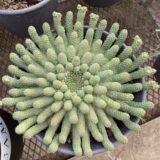
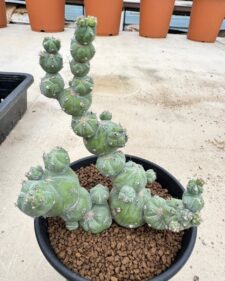
Myrtillocactus geometrizans
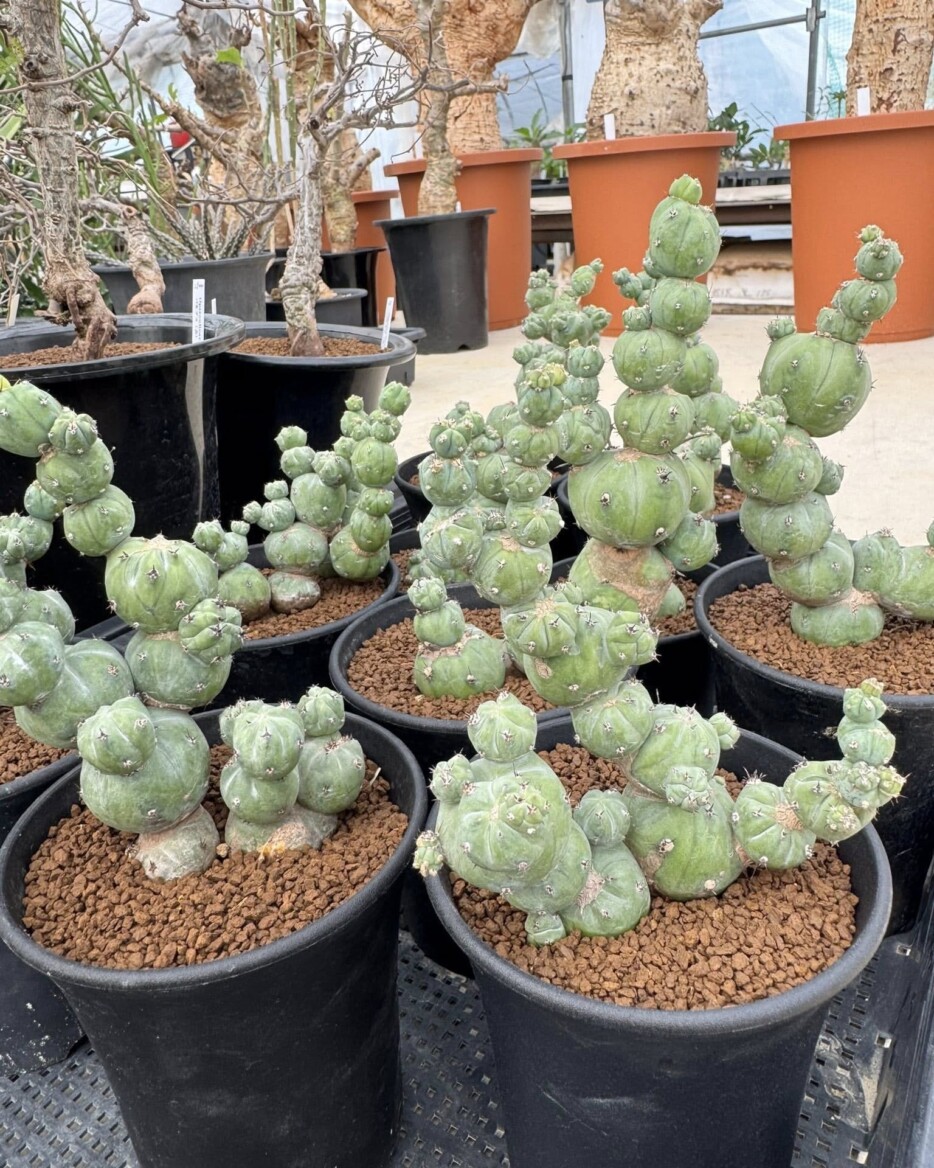
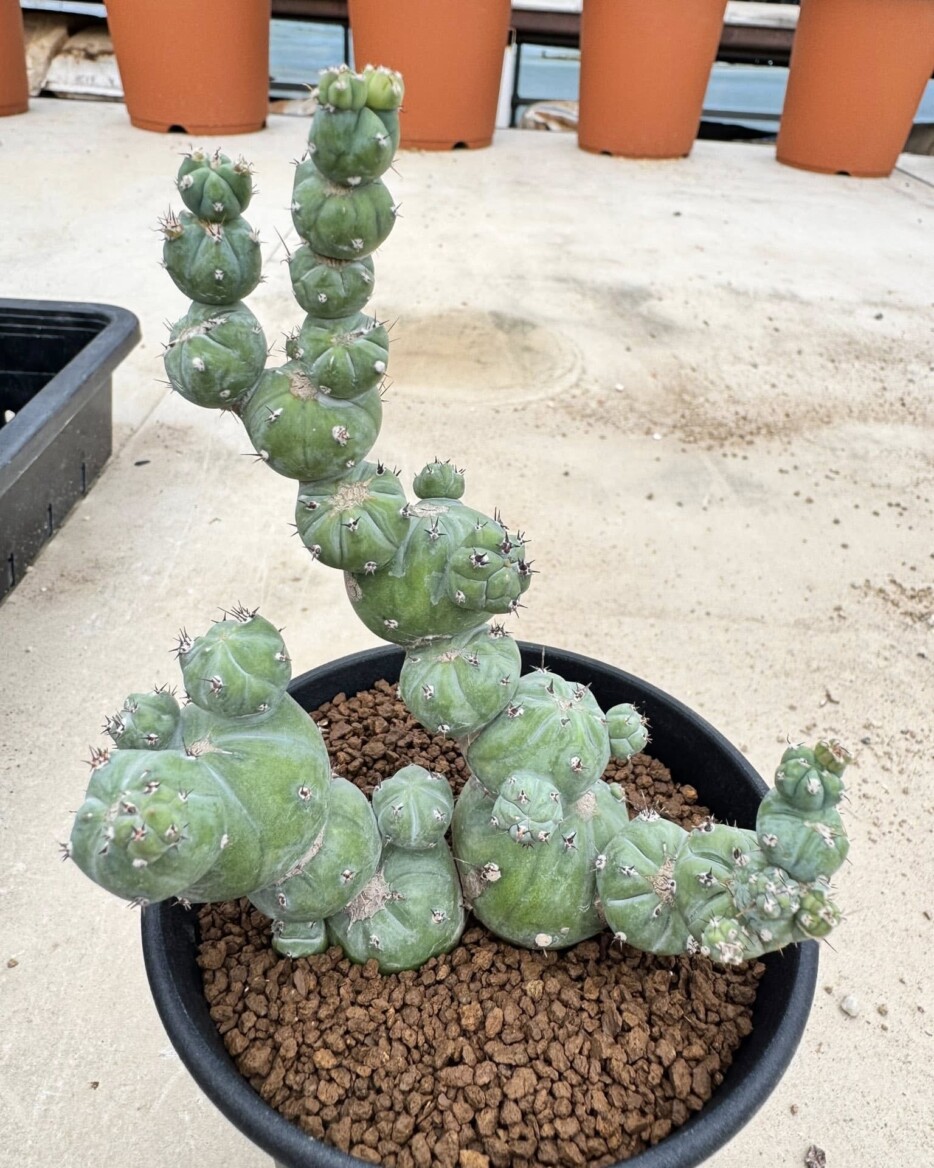
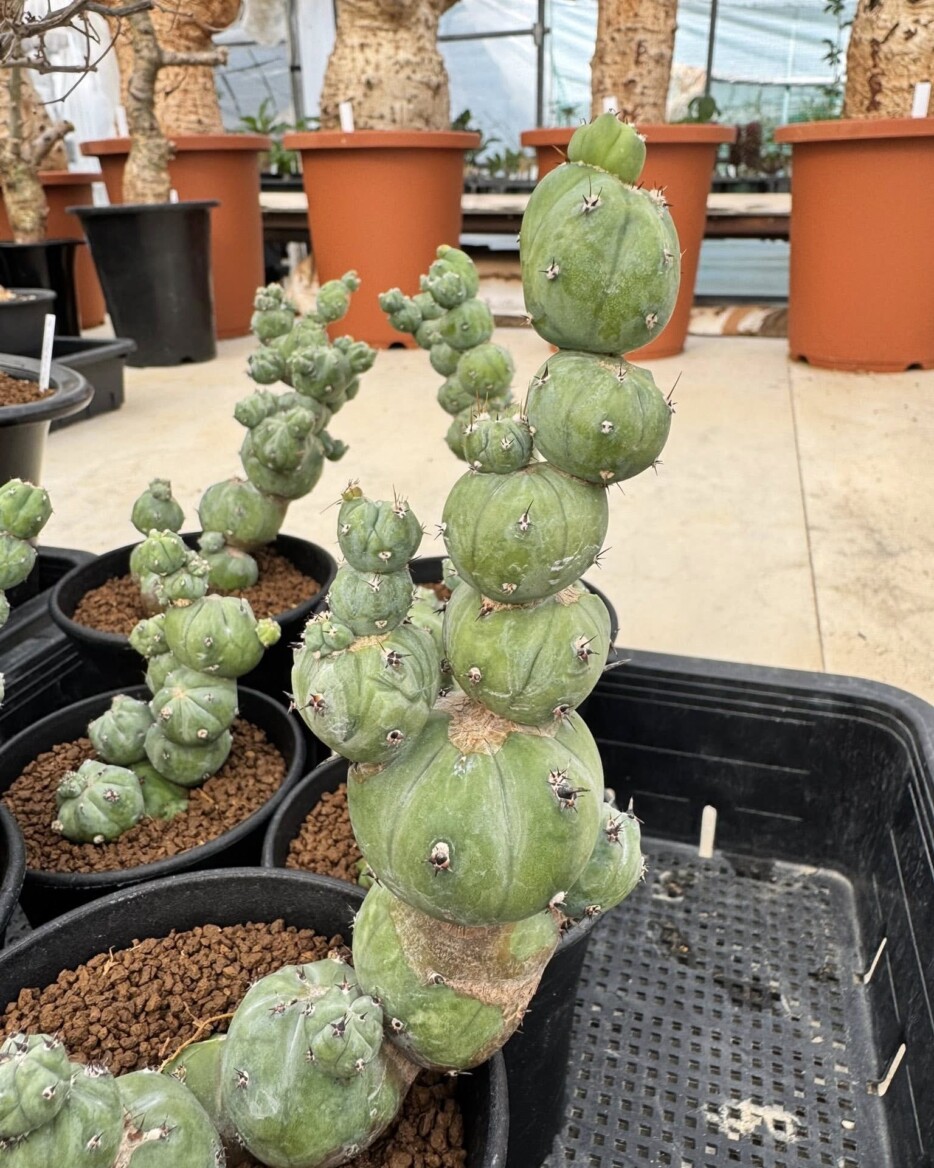
$90.00
Discover the beauty and care essentials of Myrtillocactus geometrizans, a striking blue-green cactus known for its sculptural form, resilience, and low-maintenance appeal.
Availability:19 in stock
Add to cart
Buy Now
Welcome to your resource for Myrtillocactus geometrizans
A definitive destination dedicated to exploring this remarkable cactus species in depth. Whether you are a collector, gardener, botanical enthusiast, or simply fascinated by desert flora, this description will offer you detailed insights, cultivation tips, design ideas, and the unique appeal that makes Myrtillocactus geometrizans a standout among succulents. Facebook groupe
What is Myrtillocactus geometrizans?
Myrtillocactus geometrizans is a species of cactus native to central Mexico. Known commonly as the blue candle cactus, bilberry cactus, or whortleberry cactus, this plant exhibits a striking blue-green coloration coupled with an imposing columnar shape that often branches at the top. The stems are ribbed, and the name “geometrizans” refers to the geometric, almost sculptural quality of the ribs and their arrangement.We also have other cactus like lophophora check it out: lophophora for sale
Botanically, Myrtillocactus geometrizans belongs to the family Cactaceae. It is a perennial succulent that thrives under bright sun, minimal water, and well-draining soil. The plant typically attains significant height when mature, sometimes reaching several meters, depending on growing conditions. Young specimens are often upright columns that eventually develop multiple vertical arms, giving the plant a candelabra-like silhouette.
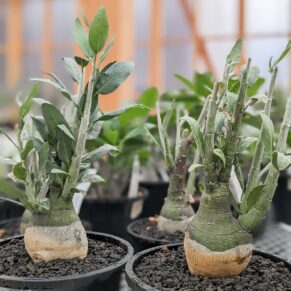
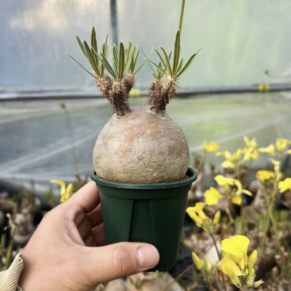
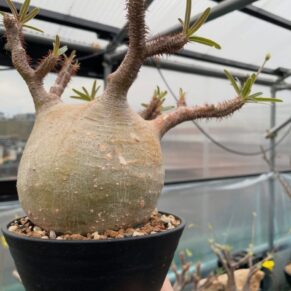
The coloration of Myrtillocactus geometrizans is one of its most appealing features. A powdery epicuticular coating, or bloom, gives the cactus a silvery blue sheen. In strong light, tones of blue, green, and even hints of lavender can emerge. The ribs may appear more pronounced, showcasing shades that shift subtly as the day progresses.Also ,we have caudexplants like operculicarya pachypus ,cyphostemma uter ,pachypodium gracilius
Natural Habitat & Distribution
In its native range, Myrtillocactus geometrizans grows in semi-arid to arid zones of central Mexico. It is often found in mountainous regions, rocky slopes, and dry canyons where drainage is excellent and rainfall is sporadic. Daytime temperatures are typically high, while nights can be cool, especially at elevation. The soils are usually rocky, gritty, and composed of mineral-rich materials.
These environmental conditions—intense sunlight, periodic drought, well-draining rocky substrate—have shaped the evolution of Myrtillocactus geometrizans. It demonstrates resilience against water stress, extreme light, and poor, mineral soils. Any cultivation outside its native habitat should aim to replicate these conditions as closely as possible to maintain the health, coloration, and form that make this species so admired.
Cultivation & Care
Caring for Myrtillocactus geometrizans can be a rewarding endeavor when you understand and provide what it needs. Here are key factors to ensure optimal growth:
Light
Myrtillocactus geometrizans thrives in full sun. For indoor cultivation, an unobstructed south- or west-facing window is ideal to ensure many hours of direct sunlight daily. Outdoors, it should receive unfiltered sun for the majority of the day. In partially shaded conditions, the plant may become leggy, less robust, and lose some of its characteristic bluish tone.
Soil & Drainage
One of the critical needs for Myrtillocactus geometrizans is excellent drainage. A soil mix high in coarse sand, gravel, or pumice is essential. Loamy soil with good mineral content is preferable to rich, organic soils that retain moisture. When planting in pots, ensure they have drainage holes and a substrate that doesn’t compact; compacted soil can lead to root rot.
Watering
Watering must mimic natural rainfall patterns of its native habitat: infrequent but deep. Water thoroughly only when the soil is fully dry. During periods of active growth—typically spring and early summer—the frequency can be slightly elevated, provided soil drainage is excellent. In cooler months or during dormancy, reduce watering drastically. Overwatering is one of the primary causes of failure in cultivating Myrtillocactus geometrizans.
Temperature & Climate
This cactus is tolerant of high heat and can endure direct sun and ambient temperatures above 30–35°C (86–95°F). However, it has limited frost tolerance. Exposure to subfreezing temperatures, especially prolonged, may damage or kill the plant. Where winters are cold, bring Myrtillocactus geometrizans indoors or provide protection such as frost cloth, located in a cool but frost-free environment.
Fertilization
Because natural soils are poor in organic nutrients, Myrtillocactus geometrizans does not require heavy feeding. A balanced, low-nitrogen fertilizer during the growth season (spring/summer) can support healthy growth. Over-fertilization can lead to overly soft tissue and increased susceptibility to pests or rot.
Potting & Propagation
Young specimens of Myrtillocactus geometrizans can start in pots. Use containers that allow for drainage and a substrate that facilitates air flow. As they grow, they may require repotting to a larger size; minimal root disturbance is best. Propagation is commonly achieved by seed or stem cuttings. Seeds germinate well under warm, bright but filtered light; cuttings should be allowed to callus before planting in a gritty mix and kept relatively dry until roots secure.
Challenges & Common Problems
Even well-cared-for Myrtillocactus geometrizans can face some common issues. Here are some challenges and tips to address them:
-
Rot: Most often caused by overwatering, poor drainage, or cold and wet conditions. Ensure soil dries thoroughly between waterings. In winter, reduce water significantly.
-
Pest infestation: Mealybugs, scale insects, and spider mites can be occasional pests. Monitor regularly and treat with gentle insecticidal soap or treated wipes to prevent them from undermining plant health.
-
Etiolation: Insufficient light causes stretching of the stems, loss of form, and a pale color. Provide more direct sunlight for firm growth and vibrant coloring.
-
Sunburn: Paradoxically, sudden exposure to intense sunlight when the plant is unacclimated can cause sunburn. Gradually acclimate plants moved from lower light to full sun.
-
Cold damage: Temperatures dropping below around 5°C (41°F) or exposure to frost can be harmful. Be prepared to protect or relocate Myrtillocactus geometrizans in cold weather.
Varieties & Aesthetic Appeal
Although Myrtillocactus geometrizans is generally uniform in its columnar growth form and bluish hue, there are variations and cultivars selected for particular traits. Some show striking branching patterns; others have intense bluish bloom, thick stems, or unusual ribbing. These differences may appeal differently depending on your garden design or collection goals.
In landscape design, Myrtillocactus geometrizans is often used as a bold accent plant. Its size, color, and form allow it to become a focal point in xeriscaping (low-water landscaping), succulent gardens, rock gardens, and desert-themed arrangements. It pairs beautifully with other succulents of contrasting textures, for example, spiky aloes, rosettes, and smoother-leaved plants, emphasizing form and color contrast.
Design & Display Ideas
Here are creative ways to showcase Myrtillocactus geometrizans in home, garden, or collection:
-
Feature specimen: Use a large, mature Myrtillocactus geometrizans as the centerpiece of a dry garden or courtyard. Its silhouette draws the eye upward, offering height and presence.
-
Container gardens: In a large pot, perhaps with decorative stones or gravel top dressing, allow a grouped display with smaller succulents around the base. The blue-green tones of Myrtillocactus geometrizans contrast well with red and orange succulents.
-
Mixed succulent beds: Combine Myrtillocactus geometrizans with low groundcover succulents and small cacti. The height and structure provide vertical interest. Use gravel mulch to reflect color and retain heat.
-
Indoor accent: In sunny interiors, an upright Myrtillocactus geometrizans can serve as a living sculpture. A large pot, a bright room, and minimal watering will keep it beautiful and stress-free.
-
Artful pruning: Encourage branching in mid-level specimens to generate candelabra form. With careful pruning (always sterile tools, allow cuts to callus), you can shape the growth for more dramatic forms of Myrtillocactus geometrizans.
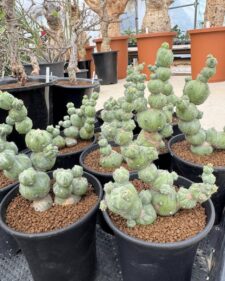
Myrtillocactus geometrizans
Propagation & Growth Cycle
Understanding the life cycle and propagation methods for Myrtillocactus geometrizans helps ensure success, whether starting with seed or cuttings.
By Seed
Seeds should be sown on well-draining substrate, lightly covered, and kept warm. Use a temperature range around 21–27°C (70–80°F). Germination may take a few weeks. Keep the substrate moist but not wet; misting is better than pouring. After the seedling stage, gradually acclimate them to more light and water as roots develop.
By Cuttings
Cuttings are often faster and more reliable for achieving larger specimens. A healthy branch section is removed, allowed to callus for several days to minimize risk of rot, then placed into gritty soil. Keep cuttings dry until roots are noticeably forming. Once rooted, care shifts toward regular watering that mimics mature plant needs; avoid overwatering.
Growth Rating
Growth rate of Myrtillocactus geometrizans varies depending on light, temperature, water, and soil. In ideal conditions, growth can be moderate—several centimeters per year in early stages, more when young and healthy. Induced branching and height come with maturity. Under suboptimal conditions—low light, cold, poor soil—growth will slow dramatically, and plant may remain stunted.
Benefits & Decorative Value
Why choose Myrtillocactus geometrizans for your collection or garden? Its merits extend beyond botanical interest.
-
Striking visual impact – The tall, ribbed, bluish-green columns are visual anchors in landscapes or indoor design. Few plants offer such architectural presence.
-
Low water usage – Once established, it requires very little watering, making it ideal for dry climates, water conservation, and sustainable gardening.
-
Minimal maintenance – With the right soil, light, and climate, Myrtillocactus geometrizans demands little fuss. No frequent feeding, rare pest issues, and high resilience when its basic needs are met.
-
Longevity – Over years and decades, this cactus can grow large and remain healthy. It becomes a heritage plant in many gardens.
-
Versatility – Works indoors or outdoors (where climate permits), as individual specimen or part of mixed succulent displays, in modern minimalist gardens or rugged desert styles.
SEO & Content Relevance
Your website aims to offer comprehensive information about Myrtillocactus geometrizans. To ensure search engines recognize the depth and relevance of your content, consider including:
-
Botanical description: stem shape, rib count, epidermal features, flowering episodes.
-
Habitat context: elevation, native soil composition, climate.
-
Comparative species: what distinguishes Myrtillocactus geometrizans from related cacti (e.g., other bluish columnar species).
-
Tips for buyers: what to look for when selecting healthy plants, how to avoid pests or rot.
-
Photographic documentation: show variations in color, age, branching, scale.
Regular updates with user galleries, growth diaries, or seasonal care reminders focused on Myrtillocactus geometrizans will further signal content quality. Feedback, testimonials, or user stories can enhance credibility.
Seasonal and Environmental Adaptations
To keep Myrtillocactus geometrizans thriving across seasons and in differing environmental conditions, observe these adaptive measures:
-
Hot summers: Provide full sun, but consider afternoon shade where heat becomes excessive, to prevent sunburn.
-
Cool winters: Reduce watering sharply; ensure good airflow; protect from frost or freezing winds.
-
Dry indoor air: Maintain moderate humidity, avoid very humid places that limit air flow and could encourage fungal growth.
-
High rainfall: In regions with heavy seasonal rains, ensure excellent drainage and consider covering or sheltering to prevent waterlogging.
Harvesting & Flowers
Though Myrtillocactus geometrizans is mostly grown for its ornamental structure and form, it can produce flowers under proper conditions. When mature and healthy, small funnel-shaped flowers may appear, typically near the stem tips. Flower color tends to be white to cream. Pollination can lead to fruit, which may have small edible qualities, sometimes appreciated by wildlife.
Flowering is influenced by adequate light, stable warm temperatures, correct water balance, and maturity. A young plant may take several years before flowering. Once established, occasional bloom periods reward the grower with additional aesthetic interest.
Frequently Asked Questions
Q: How much sun does Myrtillocactus geometrizans need?
A: It demands full sun for many hours per day to maintain its color, growth form, and health. Partial shade is acceptable only if sun exposure is otherwise intense, but extended shade results in weak growth.
Q: Can Myrtillocactus geometrizans survive cold climates?
A: It tolerates warm to mild climates well. Frost, especially lasting frost, is damaging. Temperatures below freezing should be avoided; when unavoidable, plants need protection.
Q: How often to repot?
A: Young plants may need repotting every 1–2 years as roots fill the container. Once mature and large, repotting becomes less frequent; generally only when stability or drainage requires improvement.
Q: Are there problems with pests or diseases?
A: Common pests include mealybugs, scale insects, and spider mites. Diseases are mostly rot-related due to overwatering or cold. Good hygiene, monitoring, and proper watering regimes prevent most issues.
Q: Is Myrtillocactus geometrizans slow-growing?
A: It can be moderate in growth, particularly in ideal conditions. Growth is slower under stress—shade, cold, poor soil—but with proper care, you will see steady development in height and girth over time.
Final Thoughts
Embracing Myrtillocactus geometrizans in your garden or home offers a blend of resilience, dramatic form, low-maintenance care, and seasonal intrigue. Its architectural silhouette, shimmering blue-green color, and capacity to adapt to demanding environments make it both a gardener’s asset and a collector’s treasure.
When you set out to grow Myrtillocactus geometrizans, do so with respect for its origins—rocky, sunlit, arid slopes of central Mexico. Provide the intense light, excellent drainage, minimal but effective watering, and safe temperature range. Avoid overfeeding, overwatering, and under-lighting. With patience, your Myrtillocactus geometrizans will reward you with strength, stature, beauty, and perhaps even flowers.
May your journey with Myrtillocactus geometrizans be as enduring and shaped—like its own distinctive ribs—as the plant itself. Cherish every stage: seedling, young column, branching maturity. In doing so, you honor this magnificent cactus species in all its geometric splendor.