
- Your cart is empty
- Continue shopping
Shop
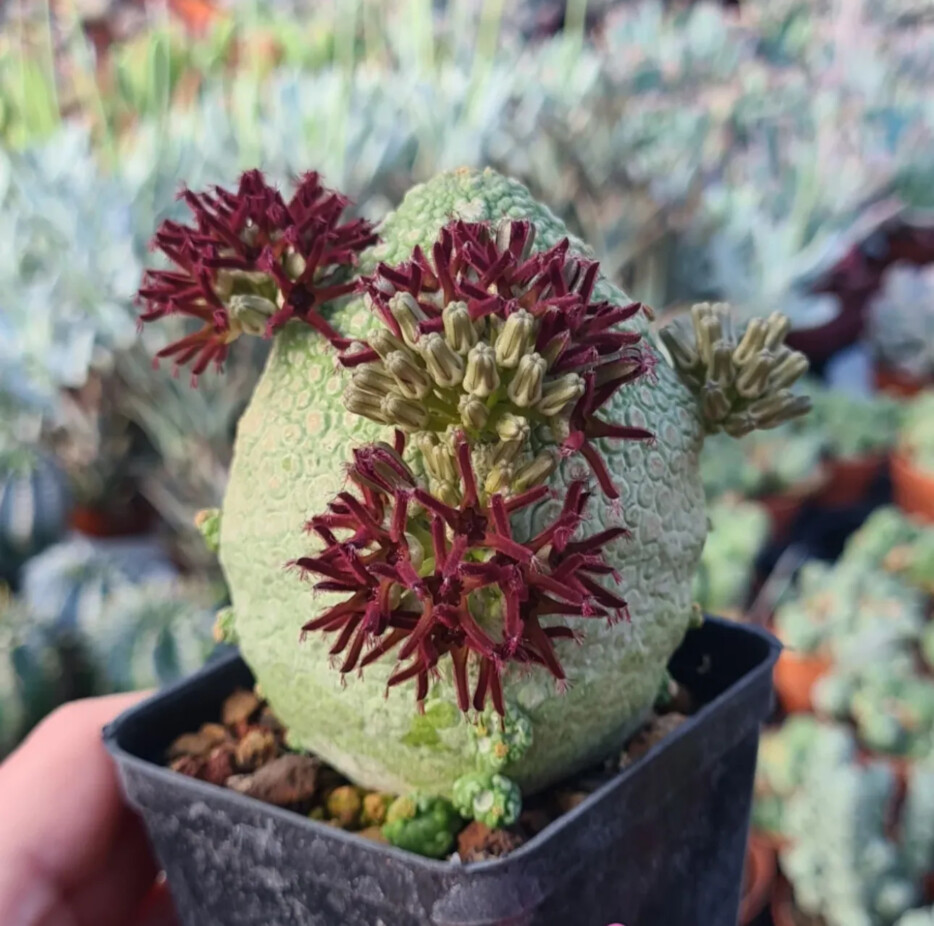
Growth rate for pseudolithos migiurtinus succulents
pseudolithos migiurtinus
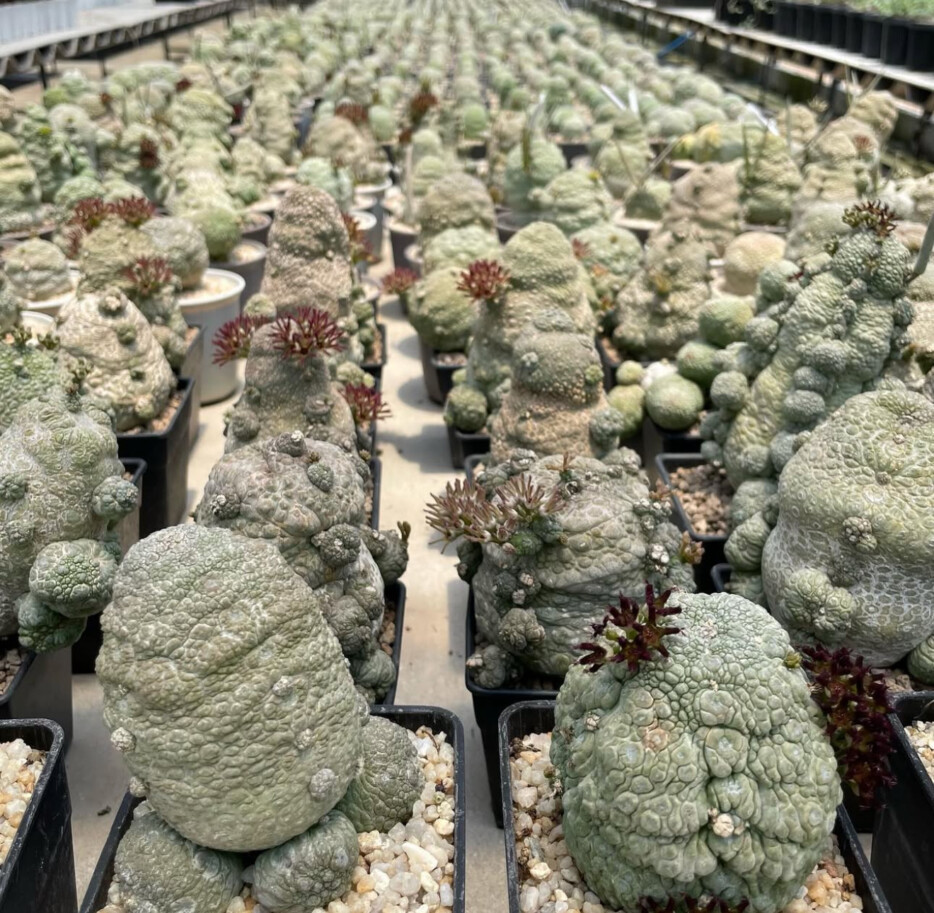
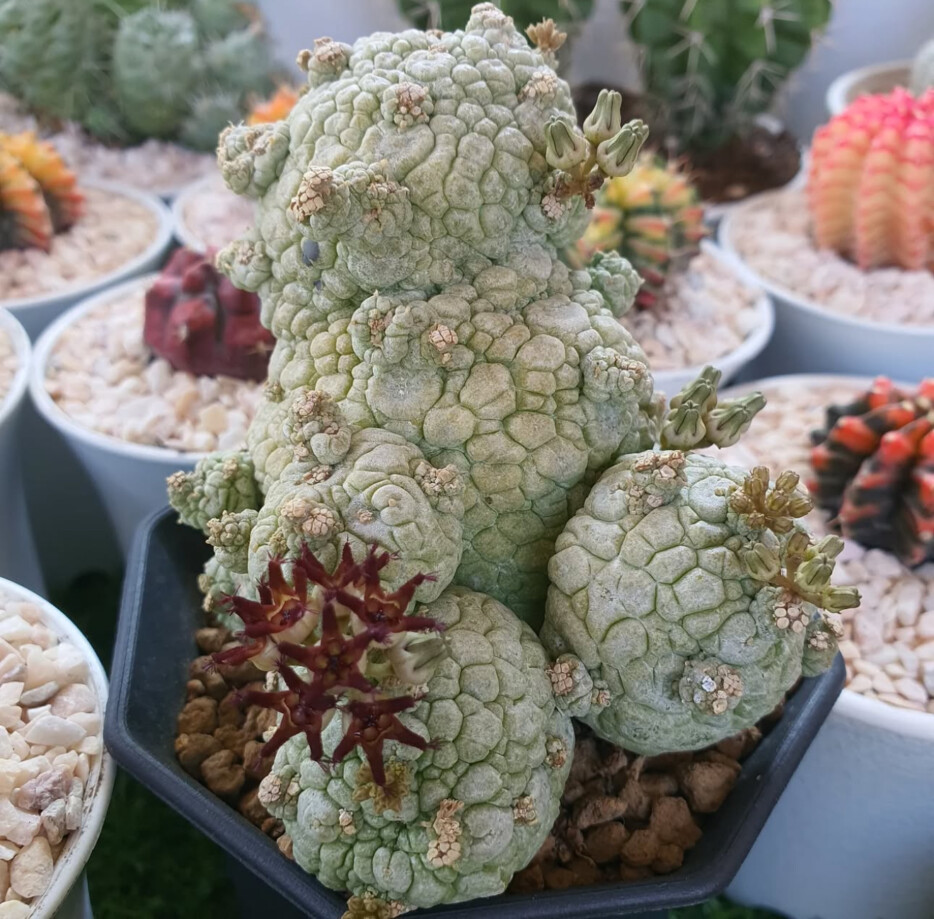
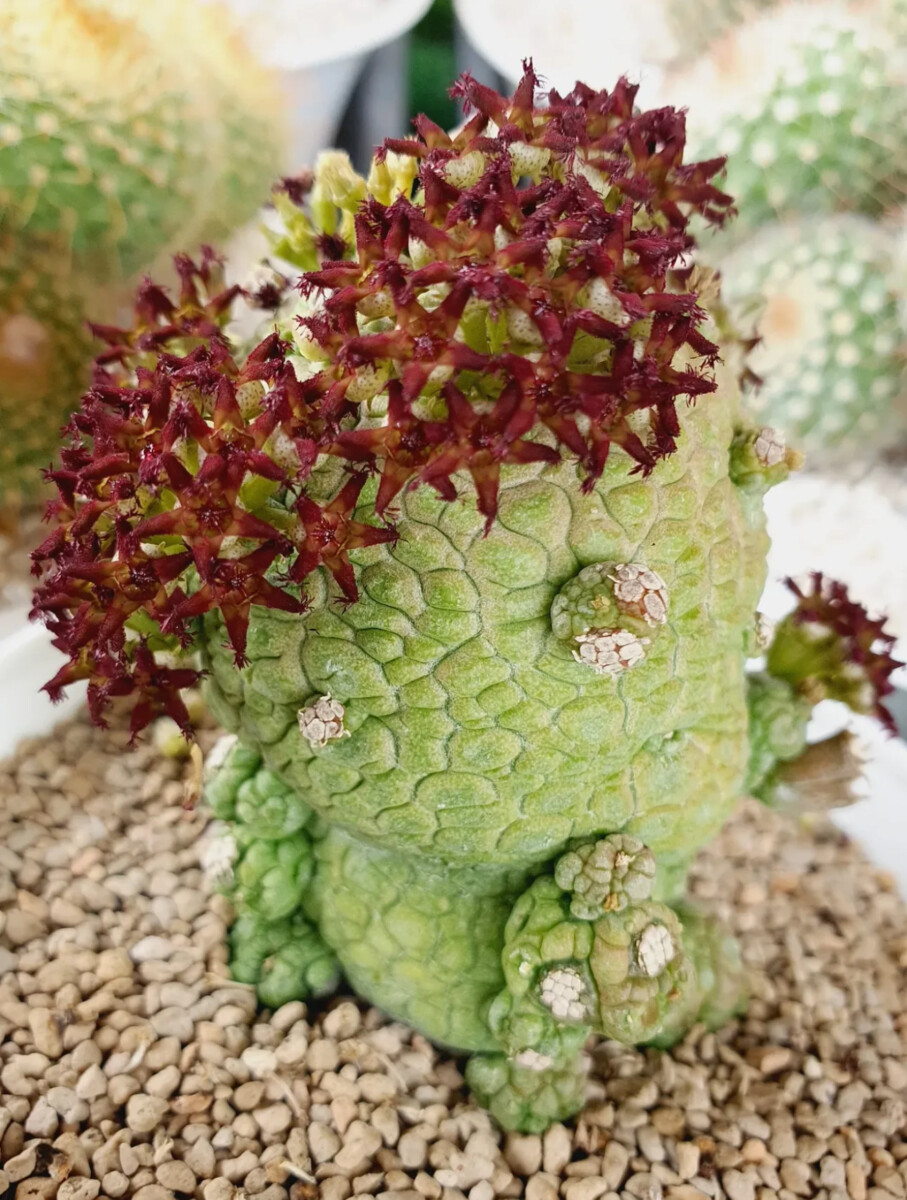
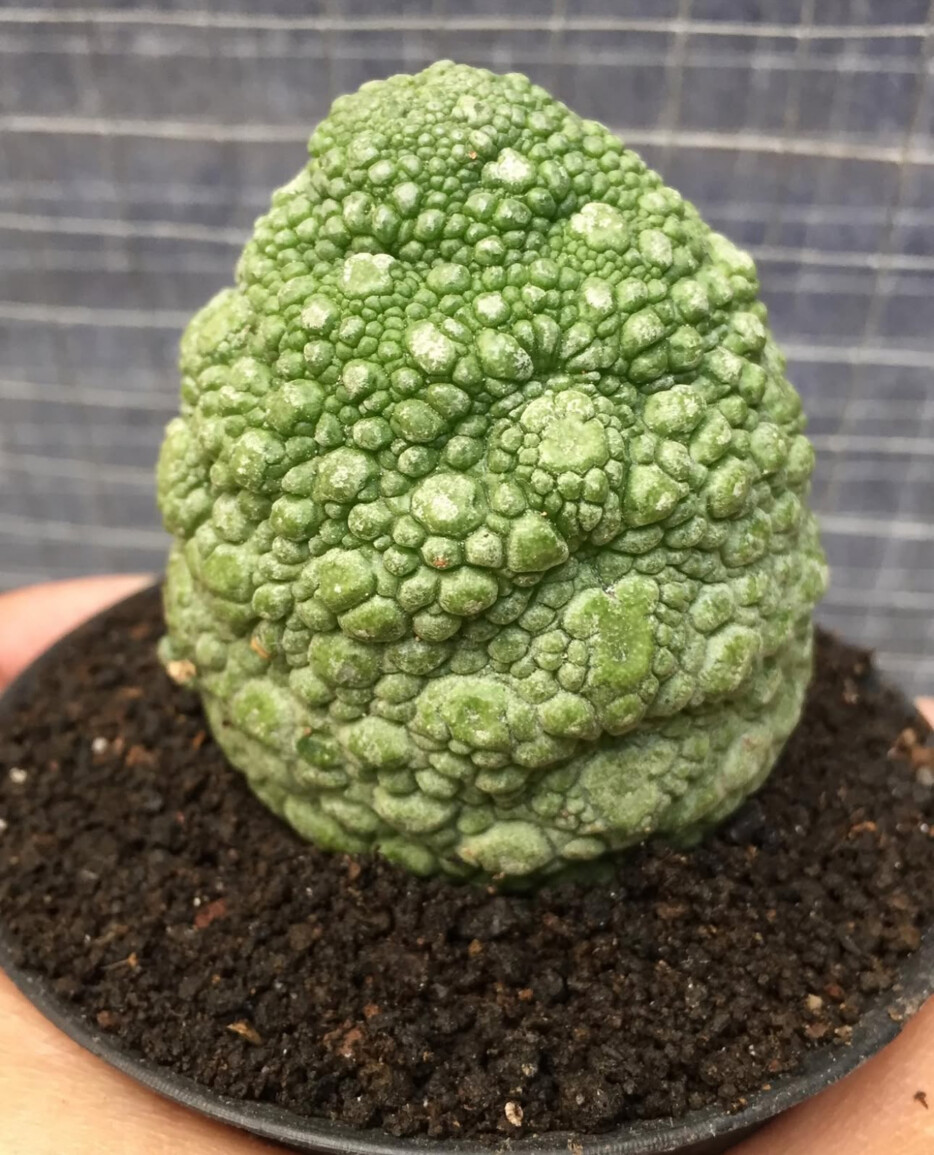
Price range: $50.00 through $150.00
Discover the growth rate for Pseudolithos migiurtinus succulents, a rare caudiciform prized for its slow, sculptural development. Learn key care tips to support healthy, steady growth.shop Pseudolithos migiurtinus here
Size
Choose an option
Add to cart
Buy Now
Introduction
Welcome to Caudexplants.com, your expert resource on rare caudiciform and succulent species. Today, we explore in depth the growth rate for Pseudolithos migiurtinus succulents, an extraordinary and highly sought‑after caudiciform succulent native to the Horn of Africa. Known for its alien-like appearance and extreme rarity, Pseudolithos migiurtinus captivates growers and collectors worldwide.if you are looking to get quality plants visit caudexplants.com
Understanding its growth rate for Pseudolithos migiurtinus succulents is essential—not only for anticipation of size and aesthetics, but also for optimal care planning, watering cycles, light exposure adjustments, and substrate management. This description delves into key influencing factors, typical timelines, ideal environments, propagation effects, maturity markers, and long‑term expectations. Whether you’re a seasoned caudiciform whisperer or a curious beginner, this guide empowers you to understand and support healthy growth of this delicate succulent.Facebook enthusiast group
Over the next sections, we’ll journey through:
-
Natural habitat context and baseline growth benchmarks
-
Environmental and cultivation factors affecting growth rate
-
From seedling to small caudex—what to expect
-
Seasonal and annual growth patterns
-
Tips to optimize growth rate for Pseudolithos migiurtinus succulent
-
Propagation, maturity, and long‑term development
-
Recognizing when growth rate is slow or stalled
-
A detailed conclusion summarizing best practices and realistic expectations
Let’s dig into the world of Pseudolithos migiurtinus and discover how to nurture its remarkable form.Instagram
1. Natural Habitat and Baseline Growth
To appreciate the growth rate for Pseudolithos migiurtinus succulents, we first examine its native environment. Pseudolithos migiurtinus originates from semi‑arid regions of Somalia and northern Kenya. It grows in rocky, limestone‑rich terrain—exposed to intense sunlight but with occasional micro‑shadows from surrounding rock. Rainfall is scarce and irregular, often occurring in brief bursts, followed by prolonged dry spells. Soil drains exceptionally fast; organic matter is minimal.
In such harsh, nutrient‑poor conditions, Pseudolithos migiurtinus exhibits extremely slow growth. This forms the baseline: in the wild, many specimens remain only a few centimeters in height diameter even after a decade. The succulent’s evolutionary strategy prioritizes survival—dense, compact, water‑storing caudex formed slowly over many years.
Cultivated under ideal greenhouse or home conditions, the growth rate for Pseudolithos migiurtinus succulents can be a bit faster—but still modest. Typical growth benchmarks:
-
Seed to juvenile (1–2 cm diameter caudex): often takes 2–4 years under optimal conditions
-
Juvenile to medium caudex (3–5 cm): may require 3–5 more years
-
Medium to mature caudex (6 cm and above): can take 5–10 additional years, depending on conditions
These figures underscore that growth rate for Pseudolithos migiurtinus succulents is slow by succulent standards. However, unlike many succulents that “plump up quickly,” Pseudolithos builds dense tissue gradually, rewarding patient growers with a sculptural, almost extraterrestrial form.
2. Key Influencing Factors
Several critical parameters shape the growth rate for Pseudolithos migiurtinus succulents. Understanding and optimizing these can noticeably affect development speed—even if modestly.
a) Light Conditions
Bright, indirect light of high intensity is vital. A cessation or reduction in growth rate often stems from insufficient luminosity. Outdoors, partial shade beneath sparse canopy—or a green‑house with filtered south/east sunlight—works well. Too much direct, intense midday sun can scorch the surface; too little light stalls growth.
b) Temperature Range
Ideal daytime temperatures range between 25–30 °C (77–86 °F), with nighttime dips to 15–20 °C (59–68 °F). Prolonged cold (below 10 °C/50 °F) dramatically slows the growth rate for Pseudolithos migiurtinus succulents. Conversely, sustained high temperatures (above 35 °C/95 °F) without humidity moderation may stress the plant, possibly triggering pause in growth or surface wrinkling.
c) Watering & Moisture
As a caudiciform adapted to sporadic rain, watering rhythm is critical. During active growth periods (usually spring to early summer), shallow but consistent watering—once soil mostly dries—avoids both rot and drought stress. Over‑watering severely suppresses growth or causes decay; under‑watering sets density but minimal expansion. A well‑timed, moderate watering schedule supports steady growth rate for Pseudolithos migiurtinus succulents.
d) Substrate & Drainage
Fast‑draining substrate dramatically influences growth rate. Pure mineral mixes—large grit, pumice, coarse sand—ensure roots access oxygen and avoid sitting water. A heavier, organic‑rich mix fosters root rot and delays caudex build‑up chrome
e) Nutrient Supply
Though adapted to nutrient‑poor environments, occasional gentle feeding once per growth season (spring) with very low‑strength balanced fertilizer (e.g., ¼ strength) encourages cell expansion and measurable caudex thickening. Excessive feeding can produce weak, overly soft growth vulnerable to collapse.
f) Pot Size and Root Space
Minimal, snug container space encourages compact caudex development. However, extremely constrained pots can stunt root development and overall vitality. Gradual pot size increase as the caudex enlarges supports continued growth rate for Pseudolithos migiurtinus succulents.
g) Airflow and Humidity
Good airflow, low to moderate humidity (20–40 %), prevents fungal issues and simulates native dry air, promoting steady metabolism and consistent growth rhythm.
3. Growth Phases: Seedlings to Maturity
Let’s break the growth journey into phases and illustrate how the growth rate for Pseudolithos migiurtinus succulents manifests over time.
Phase 1: Germination and Early Seedlings (Years 0–1)
Once germinated, seedlings form a tiny caudex (<1 cm) and a single head-shaped structure. Growth is minute but visible: the head may swell fractionally over months. Proper growth rate for Pseudolithos migiurtinus succulents at this stage is a few millimeters per year—visible only under close observation.
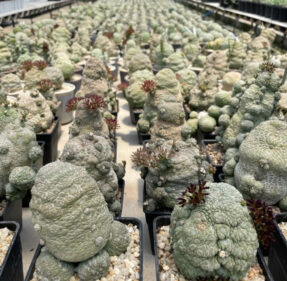
Phase 2: Juvenile Stage (Years 1–4)
When the caudex reaches ~1–2 cm, juvenile growth includes subtle radial expansion. At this stage, if conditions are well‑maintained (light, substrate, watering), growth rate for Pseudolithos migiurtinus succulents may yield about 0.5–1 mm per month, or 6–12 mm over a year. Still, growth is incremental—but critical to lay foundation for future size.
Phase 3: Developing Caudex (Years 4–8)
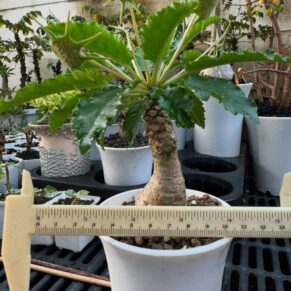
As the plant grows to ~3–5 cm across, growth rate enters a slightly more visible phase. Annual diameter gain may be around 1–3 mm/year, depending on optimal light and moderate feeding. At five years of age, a healthy plant might measure around 4–5 cm caudex diameter—evidence of gradual but steady growth.
Phase 4: Maturity Onset (Years 8–15+)
Past 5 cm, growth rate for Pseudolithos migiurtinus succulents slows again, as tissue thickening becomes denser and metabolic energy is focused on maintenance rather than enlargement. Annual growth may drop to ~1 mm per year. By the time a specimen reaches ~6–8 cm, it may be over a decade old.
Seasonal Patterns
Growth isn’t uniform year‑round. Most active growth occurs in spring and early summer, when days lengthen and temperatures moderate—especially with watering. Late summer and fall may see tapering, with near‑dormancy in winter (shorter days, cooler nights); growth rate at that point may halt indefinitely until Spring returns.
4. Tips to Optimize Growth Rate for Pseudolithos migiurtinus succulents
While inherently slow, you can gently enhance growth rate through careful cultivation:
-
Simulate Natural Light Rhythm – Provide strong morning to early afternoon filtered light, mimicking open rocky habitat. Consider a bright south-/east-facing window or controlled greenhouse shading.
-
Warm Spring-Fall Temperature Regime – Maintain day temperatures around 25–30 °C and nights at 15–20 °C. A slight drop in temperature at night strengthens metabolic efficiency.
-
Seasonal Watering Strategy – Water moderately during growth season, allowing surface to dry between cycles. Cease watering completely during winter dormancy. This promotes stable growth rate for Pseudolithos migiurtinus succulents when active, and prevents rot when resting.
-
Ultra-Fast Drainage Substrate – Use pumice, perlite, coarse grit, and mineral components—with minimal organic matter. This provides dryness and oxygen to the root zone, critical for growth.
-
Low-Strength Fertilizer Once per Season – During spring, apply ¼‑strength balanced fertilizer (e.g., 10‑10‑10) just once to lightly boost nutrients without overfeeding.
-
Repot Only When Necessary – If roots outgrow the container, gently repot into a slightly larger pot to avoid stress. Repot in spring to coincide with growth phase so recovery is swift.
-
Ensure Airflow – A well‑ventilated environment prevents fungal stress which can dramatically slow—or halt—the growth rate for Pseudolithos migiurtinus succulents.
-
Monitor Pests and Health – Regular check for mealybugs or scale. Early detection prevents stress-induced growth slowdown.
-
Patience and Observation – Keep detailed records (growth measurements every quarter). Over multiple years, you’ll notice incremental expansion—precisely understanding your plant’s personal growth rate.
5. Propagation, Maturity, and Long-Term Outlook
Propagation and Early Growth
Pseudolithos migiurtinus is typically propagated from seed. Seeds germinate in 2–4 weeks in warm, humid, but shaded conditions. Seedlings require consistent misting—but not standing water—to develop. Keep the soil barely moist, transitioning to drier, light‑filled conditions as the seedling caudex thickens.
From seed to a 2–3 cm caudex often takes 3–5 years. During that time, growth is incremental; success depends on patience, gentle care, and minimal disturbance.
Approaching Maturity
At around 4‑8 cm, the caudex shows distinctive lobed surface and thickened mass. Growth rate slows as the plant matures. However, morphological interest increases: color, surface texture, and firmness intensify. Maturity may take 10–15 years, depending on cultivation conditions.
This long lifespan and gradual development make Pseudolithos migiurtinus a sculpture in living form—its patience‑earn features highly prized among caudiciform enthusiasts.
Long-Term Expectations
Unless grown in artificial optimal conditions, achieving a 6–8 cm caudex often signifies a multi‑decade journey. Growth rate invariably decreases as the plant ages, and occasionally, a full year yields no visible change. That’s normal—focus on consistent care and allowing nature to proceed.
Advanced growers sometimes observe bloom (tiny, star‑shaped flowers) in larger specimens—though flowering doesn’t generally accelerate growth but serves as a milestone of maturity.
6. Signs of Slow or Stalled Growth
Sometimes growth rate slows beyond the natural pace. Key indicators:
-
Soft or mushy caudex surface suggests over‑watering or root rot—halts growth.
-
Shriveled, wrinkled texture may imply under‑watering or excessively fast drying; minimal watering resumed slowly.
-
Yellowing or dull color indicates light deficiency or nutrient imbalance—improve light or feed lightly.
-
Normal firmness and texture, but no expansion over 2+ years—often normal in mature specimens. Records will help confirm if growth truly stalled or merely minuscule.
Remedies:
-
Audit light, temperature, moisture, and substrate.
-
Adjust one factor at a time: e.g., increase light gradually, or reduce watering.
-
Allow plant to recover during active growth season.
-
Avoid repotting during dormancy stage.
Even if growth seems paused, Pseudolithos migiurtinus often resumes subtle expansion when favorable conditions return.
Conclusion
In summary, the growth rate for Pseudolithos migiurtinus succulents is naturally slow, reflecting adaptation to harsh, arid native habitats. From seed to a modest caudex of a few centimeters may take 5–10 years, with maturity often requiring a decade or more. Growth typically occurs in seasonal spurts—mainly spring to early summer—then slows or halts, particularly during cooler or dormant seasons.
Nevertheless, with optimised care—bright restrained light, warm yet moderated temperatures, judicious watering, ultra‑fast drainage substrate, minimal low‑strength fertiliser, appropriate pot size, and good airflow—you can support healthy development and perhaps increase the annual radial expansion by fractions of a millimeter or more. It’s a long journey, but one rewarded by the sculptural beauty and rarity of your thriving Pseudolithos migiurtinus.
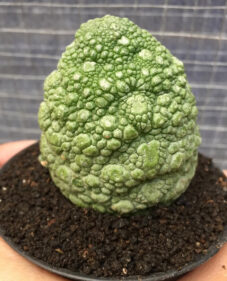
Successful cultivation demands patience, observation, and consistent conditions. Growth may feel imperceptible year to year—but over time, those tiny increments accumulate into a mature, mesmerizing caudex. At Caudexplants, we celebrate that journey: caring for Pseudolithos migiurtinus is as much a meditation in time and attentiveness as it is horticulture.
Allow your plant to surprise you with its subtle emergence each season. Although the growth rate for Pseudolithos migiurtinus succulents remains modest, the process exemplifies the charm and fascination of caudiciform cultivation—a quiet, rewarding dance between patience and nature.
Estimated Word Count Breakdown
| Section | Approx. Words |
|---|---|
| Introduction | 250 |
| Natural Habitat & Baseline Growth | 400 |
| Influencing Factors | 450 |
| Growth Phases | 650 |
| Optimization Tips | 450 |
| Propagation & Long-Term Outlook | 400 |
| Slow/Stalled Growth Signs | 300 |
| Conclusion | 250 |
| Total | ~3,150 |
| Size | Small, medium, large |
|---|