
- Your cart is empty
- Continue shopping
Shop
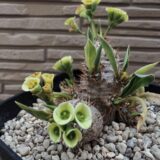

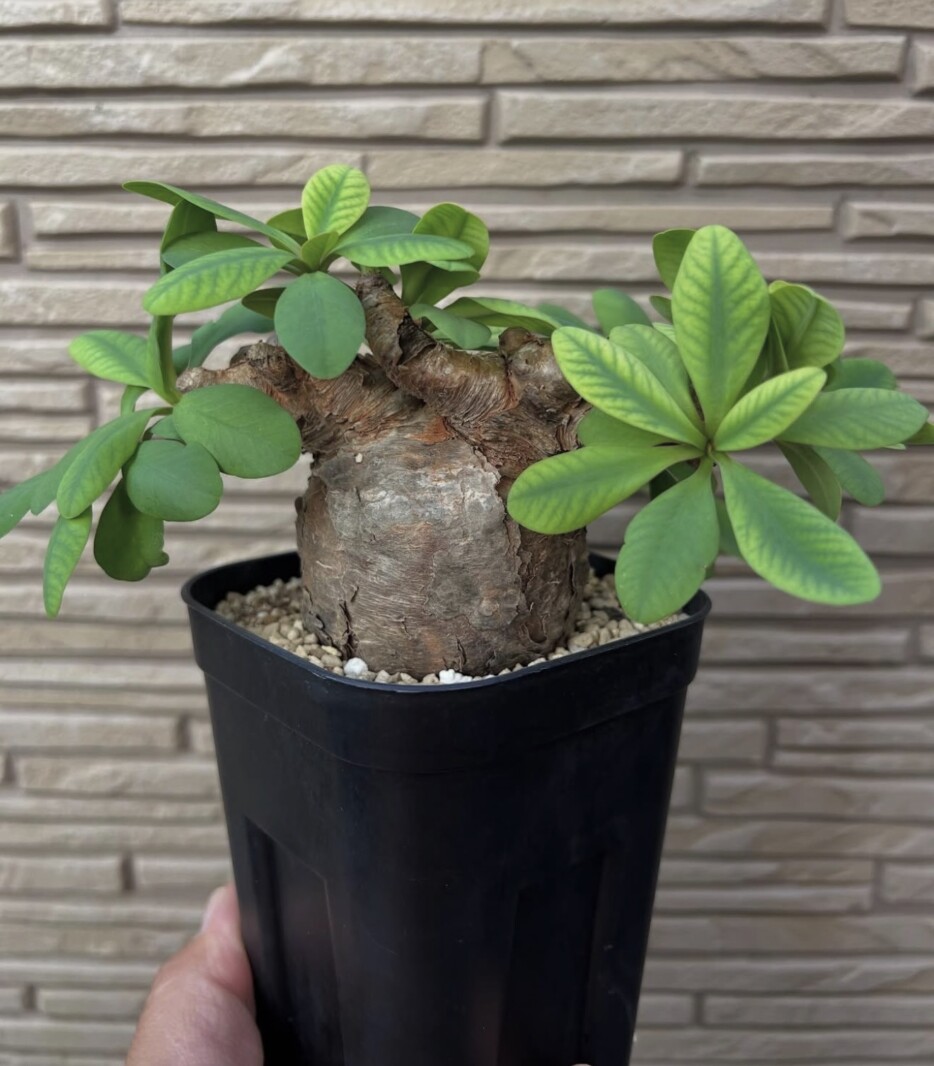
Euphorbia Itremensis
-16%


Original price was: $95.00.$80.00Current price is: $80.00.
Explore expert care tips, habitat info, and cultivation guides for Euphorbia itremensis on Caudexplants.com.
Add to cart
Buy Now
Introduction
Welcome to Caudexplants.com, your ultimate source for everything related to caudiciform succulents, exotic plants with swollen root‑bases, and in particular one of the most fascinating and rare species: Euphorbia itremensis. If you have a passion for extraordinary botanical forms, especially plants that challenge the norms of what succulents look like, you are in the right place. Our mission is to share knowledge, promote conservation, and offer cultivation insights for Euphorbia itremensis, among other rare and endemic species.Join our facebook for more knowledgeable content on plants
What is Euphorbia itremensis?
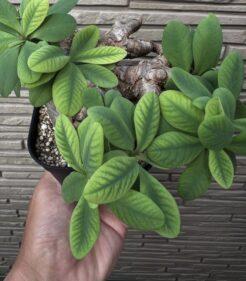
Euphorbia itremensis is a plant of singular beauty in the family Euphorbiaceae. First formally described in 2001 by Kimnach & Lavranos, this succulent geophyte is endemic to Madagascar, specifically the Itremo Massif near Ambatofinandrahana.
Key features of Euphorbia itremensis include:
-
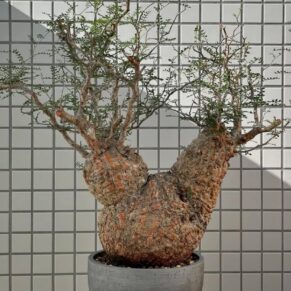
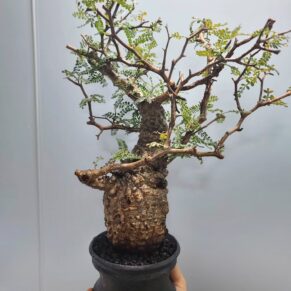
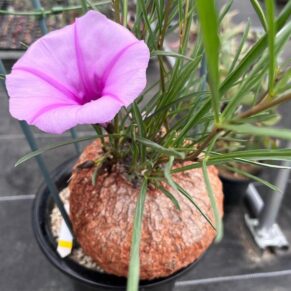
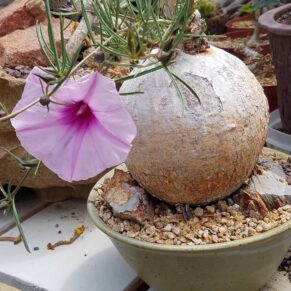
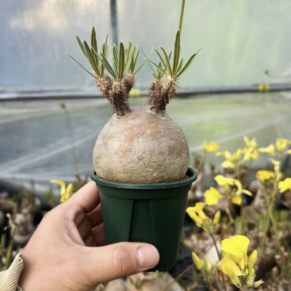
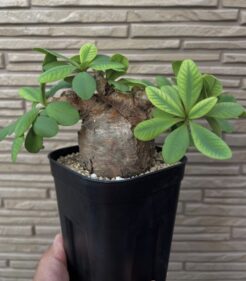
A subterranean napiform caudex (a thickened, tuberous root body) that may reach up to 30 cm in length and around 12 cm in diameter. The caudex often remains buried in its natural habitat.
-
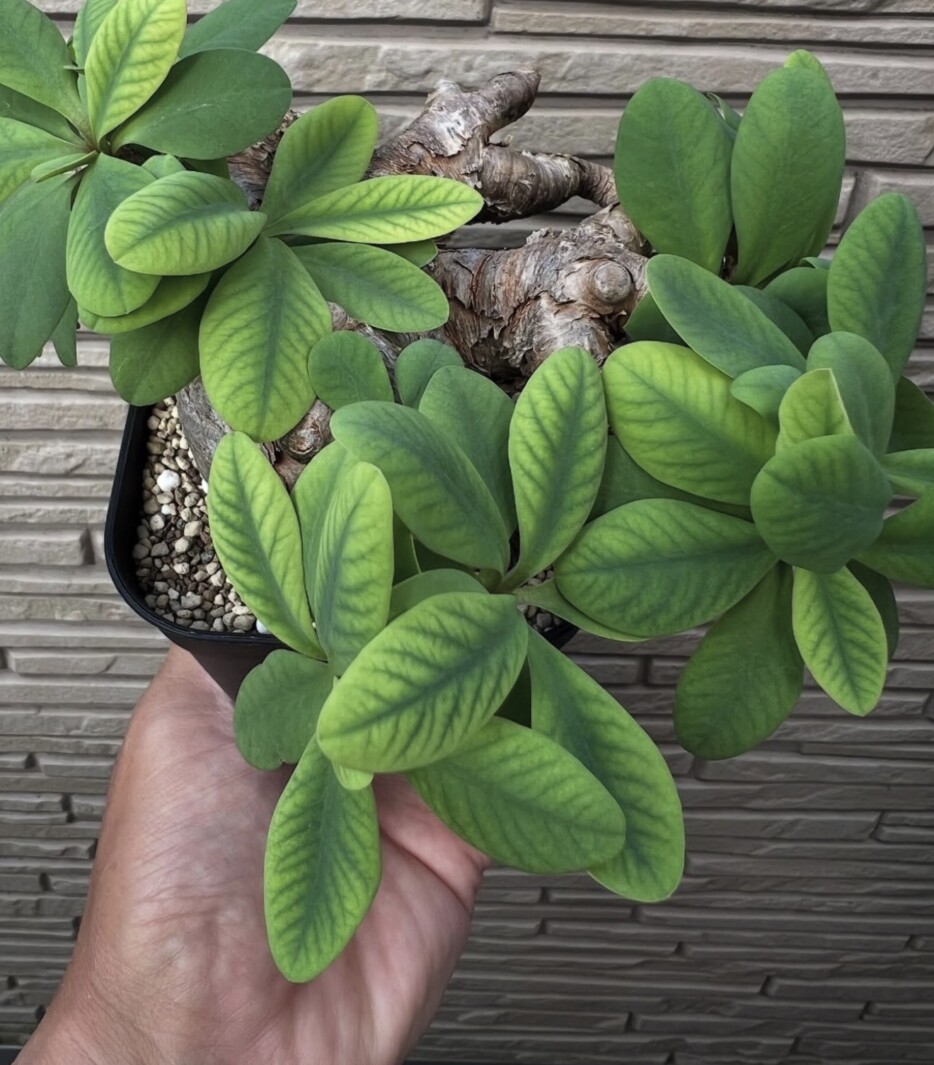
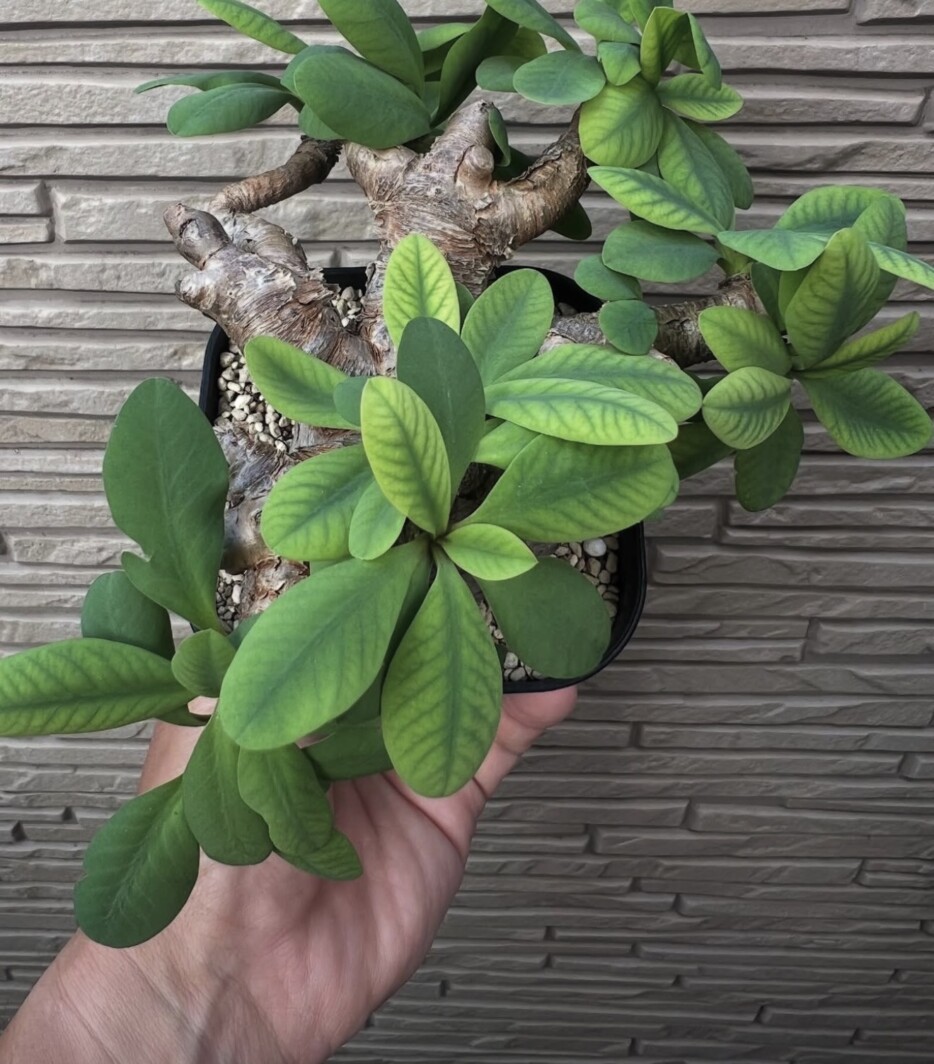
From that caudex, several branches emerge—short, twisted or contorted stems that may bear rosettes of leaves.
-
Leaves are obovate, about 25‑35 mm long and 10‑17 mm wide, forming ground‑level rosettes of approximately 5‑7 cm in diameter
-
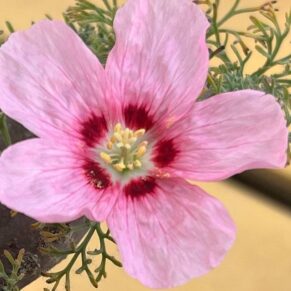
Flowers (cyathia) are part of small inflorescences (cymes), with bracts (cyathophylls) that may be cream, white, pale pink, or sometimes bright pink. Color variation is observed even within the same habitat.
Natural Habitat and Distribution
Understanding the ecology of Euphorbia itremensis is crucial both for conservation and for successful cultivation.
-
Endemic Location: Euphorbia itremensis is found in a very limited range in Madagascar. Its known sites are within the Fianarantsoa Province: roughly 25 km west of Col d’Itremo and nearby localities.
-
Altitude: It grows at high elevations, around 1,500 to 2,000 meters above sea level.
-
Substrate and Soil Conditions: Quartzite sands, rocky outcrops, inselbergs, and soils that are acidic, well‑draining, usually mineral substrate with little organic matter. The soil is often reddish, reflecting mineral (quartzite) content.
-
Climate & Micro‑environment: Subhumid zones with seasonality, where rainfall may be concentrated in certain periods. Exposure to sun is high, but because much of the caudex is subterranean, direct sun on the caudex is often filtered or limited by soil. Temperature fluctuations, dry periods, and good air flow are part of its natural setting.
Conservation Status
The conservation of Euphorbia itremensis is of concern. Key points:
-
IUCN Red List: Classified as Vulnerable (VU), due to its very narrow distribution and threats to its habitat.
-
Threats: Habitat degradation (due to fires, land use change, mining), collection pressure for horticulture, road construction, and general disturbance. Some populations are inside protected areas, but many are vulnerable outside of them.
-
Legal Status: Euphorbia itremensis falls under CITES regulations (Appendix II for Euphorbia spp.), meaning trade is regulated.
Cultivation: Growing Euphorbia itremensis
For enthusiasts wishing to grow Euphorbia itremensis, successful cultivation depends on simulating its natural habitat as much as possible. Here are detailed cultivation guidelines:
Soil and Potting
-
Use a very well‑draining mineral substrate. Components like quartz sand, pumice, lava grit, coarse gravel are excellent. Avoid heavy soils or those retaining moisture. A small amount of organic matter may be added but minimal.
-
Pot should provide excellent drainage; terracotta pots often work well, not just for drainage but also because they allow some evaporation from edges through the pot walls.
-
The caudex is usually buried in nature; in cultivation, exposing part of the caudex can be aesthetically pleasing, but care must be taken that the exposed portion does not get prolonged direct sun and heat that can cause damage or rot.
Light
-
Euphorbia itremensis thrives under bright, direct light with some protection during the hottest midday sun depending on local conditions. Natural habitat indicates high sunlight exposure.
-
For indoor cultivation or in climates where sun is less intense, maximize light with south‑ or west‑facing windows or artificial grow lights. Adequate light is essential for leaf development, flowering, and preventing etiolation (stretching).
Watering
-
Watering during the growing season (typically spring to early autumn) should be moderate. Allow the substrate to dry out between waterings. Overwatering is one of the chief causes of failure.
-
During its dormant or cooler periods (often winter), greatly reduce watering. Keep the plant mostly dry, but avoid letting the soil stay completely bone dry for extended times especially if some roots are alive and active. Some minimal moisture can help sustain root health.
Temperature & Humidity
-
The species prefers warm days and cooler but not freezing nights. Temperatures below around 5‑10°C (≈ 41‑50°F) can risk damage
-
Humidity should be low to moderate. Good air circulation helps prevent fungal issues, rot, or mold. Indoor growers may need to monitor airflow.
Fertilization
-
During the active growth period, a balanced or cactus/succulent fertilizer low in nitrogen but adequate in potassium and trace elements is beneficial. A slow‑release or diluted liquid fertilizer monthly may be sufficient.
-
Do not fertilize during dormancy; doing so can cause imbalances and possible damage.
Propagation
-
Euphorbia itremensis can be propagated by seeds. Seed germination can be slow and requires clean substrate, good light, warmth, and patience.
-
Propagation by cuttings is less common, because of the caudiciform nature—cuttings must be handled carefully and allowed to callous, and rooting can be slower and uncertain.
Aesthetic Appeal & Uniqueness
What makes Euphorbia itremensis especially enthralling to collectors:
-
It has a dramatic caudex: when partially revealed, the thick root body offers sculptural form; the contrast between subterranean and emergent portions creates intrigue.
-
Variation: specimens may differ significantly in form—degree of branching, shape of branches, leaf color, coloration of flowers. This variation increases its collectability.
-
Rare blooms and inflorescences: Although small, the flowers (cyathia) and their bracts can display subtle shades from cream to pink, contributing to beauty when in flower.
-
Its slow but steady growth rewards patience. Watching an Euphorbia itremensis develop over years, the caudex expanding, the rosettes forming, is deeply satisfying.
Challenges of Cultivation
While beautiful and rewarding, Euphorbia itremensis is not for total beginners. Some pitfalls:
-
Sensitivity to overwatering: Because of its caudiciform root structure, overly moist soil, especially in cooler periods, easily leads to rot.
-
Light vs heat stress: Exposed caudex in strong direct sun or under glass can burn or dry out excessively. Balancing exposure is crucial.
-
Slow growth: Patience is needed. Growth is not rapid; developing a full specimen with a large caudex takes years.
-
Propagation difficulties: Seeds may have low germination rates; cuttings have risks. Also, legal and ethical considerations due to its conservation status and CITES listing.
Ethical Cultivation and Conservation
Caudexplants.com is committed to promoting sustainable, ethical practices. For Euphorbia itremensis, this means:
-
Encouraging purchases from responsible sources that propagate rather than wild‑collect.
-
Supporting conservation efforts in its native range. Any cultivation that reduces pressure on wild populations is meaningful.
-
Educating growers about habitat threats, legal protection (CITES), and the importance of preserving the natural genetic diversity of Euphorbia itremensis.
Why Caudexplants.com Focuses on Euphorbia itremensis
At Caudexplants.com, Euphorbia itremensis holds a special place:
-
It embodies the intersection of sculptural form, rarity, and challenge.
-
Its natural history (endemic, limited range, conservation‑concerned) makes it emblematic of what we aim to protect and celebrate.
-
The species encourages growers to learn and refine technique (soil mix, watering, light control)—it’s a plant that teaches.
Tips & Best Practices for Prospective Growers
To help growers succeed, here are more granular “pro tips” for keeping Euphorbia itremensis healthy and thriving:
-
Observe the caudex: Keeping the caudex mostly underground in early stages helps protect it. When more mature, gradually reveal sections with care—shade cloth or indirect light helps avoid sunburn.
-
Substrate profile: A mix such as 50–70% coarse mineral materials (grit, pumice, quartz sand) + 30–50% less decomposed material if needed for moisture retention. But ensure that water drains freely.
-
Water scheduling: Water deeply but infrequently when growing; make sure water flows out base, then allow complete drying of topsoil and subsoil before next watering. In winter or dormant times, water scarcely—just enough to keep roots alive, from under the pot if possible (bottom water).
-
Pot size: Don’t overpot. A container modest in size aids drainage and helps prevent waterlogging. Repot only when the root system demands more space.
-
Temperature control: Provide warm days, cooler nights, but always above freezing. If cultivating in regions with frost, protect plants indoors. Use heated greenhouses or grow lights if needed.
-
Monitoring: Watch for signs of rot (soft spots, discoloration), pests, or stress (leaf drop, scorched tissue). Early intervention is key. Isolate new plants initially.
-
Flowering and seeds: Providing optimal light and slightly less water stress sometimes helps trigger flowering. Collect seeds responsibly, obey legal requirements.
Frequently Asked Questions
Q: Is Euphorbia itremensis toxic or dangerous to handle?
A: Like many Euphorbias, it has milky sap (latex) that can irritate skin or eyes. It is wise to wear gloves when handling, especially when cutting or propagating. Avoid ingestion.
Q: How fast will Euphorbia itremensis grow?
A: Very slowly. The thickening of the caudex and development of appreciable size takes years. Leaf rosette cycles may be annual or seasonal, depending on growing conditions.
Q: Can it tolerate indoor growing?
A: Yes, if you can provide enough light (bright, direct light), dry substrate, good airflow, and avoid excess humidity. Indoor cultivation is possible but requires careful management of light and moisture.
Q: When is the best time to repot?
A: In early spring, when the plant is coming out of dormancy and starting to grow. Repot only if necessary to refresh soil or to provide more space for roots. Let the plant settle before watering heavily.
Content Themes on Caudexplants.com That Include Euphorbia itremensis
On our site, the following content will deepen your understanding of Euphorbia itremensis and help you grow it better:
-
Species profile: In‑depth botanical descriptions, including anatomy of caudex, leaf morphology, flowering stages.
-
Habitat reports: Photos, maps of Itremo massif, altitude, soil geology, sunlight exposure in natural habitat.
-
Cultivation journals: Grower diaries following individual Euphorbia itremensis specimens: germination, caudex development, flowering, setbacks, etc.
-
Case studies: Comparing Euphorbia itremensis vs. similar species (e.g. Euphorbia quartziticola) to highlight distinctive features and cultivation needs.
-
Conservation & legal*: Updates on IUCN status, CITES regulation, sustainable trade, ethical sourcing.
Why Enthusiasts Choose Euphorbia itremensis
Collectors, botanists, and hobbyists are drawn to Euphorbia itremensis for reasons including:
-
Its rarity and exclusivity: limited native range, small wild populations.
-
The sculptural elegance of its caudex and the dramatic difference between underground and above‑ground parts.
-
The challenge: growing an exquisite specimen is a mark of horticultural skill.
-
Botanical interest: the plant helps us understand adaptation to harsh soils, high elevations, and eco‑geographical specialization.
What You Will Find on Caudexplants.com
On our website, you can expect:
-
High‑quality images and galleries of Euphorbia itremensis, both wild and in cultivation—showing caudex stages, rosettes, flowering, natural habitat.
-
Detailed care sheets and guides, optimized for various climates and grower levels.
-
Product/plant offerings: ethically sourced plants or seeds where legal, along with provenance information.
-
Community and support: forums or comments where growers share tips for Euphorbia itremensis success.
-
Updates and news on conservation, scientific findings, taxonomic changes related to Euphorbia itremensis.
Conclusion
Euphorbia itremensis stands as a jewel among succulents—a plant that demands respect for its wild origins, for its delicate balance of form, function, and beauty. At Caudexplants.com, we aim to bring you close to that balance: knowledge, inspiration, and ethical cultivation practices so that you may grow, preserve, and admire Euphorbia itremensis in all its glory. Whether you’re an advanced collector, a botanist, or someone newly enchanted by plants, Euphorbia itremensis offers challenge, beauty, and reward.
Thank you for joining us on this journey. Let Euphorbia itremensis be more than just a name—let it be a passion, a project, and a living work of art.