- Your cart is empty
- Continue shopping

Introduction
Welcome to our dedicated resource on Euphorbia esculenta an extraordinary succulent species prized for its unique form, fascinating biology, and ease of cultivation. If you are looking to deepen your knowledge, master cultivation techniques, or simply appreciate the beauty of Euphorbia esculenta, you have come to the right place. This page aims to deliver comprehensive information—ranging from origin and botany through care, propagation, challenges, and aesthetic value—that will support both beginners and experienced growers.facebook group
What is Euphorbia esculenta?
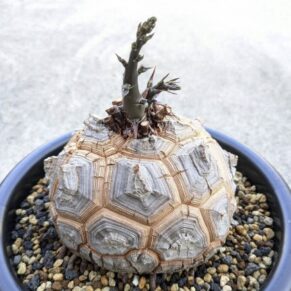
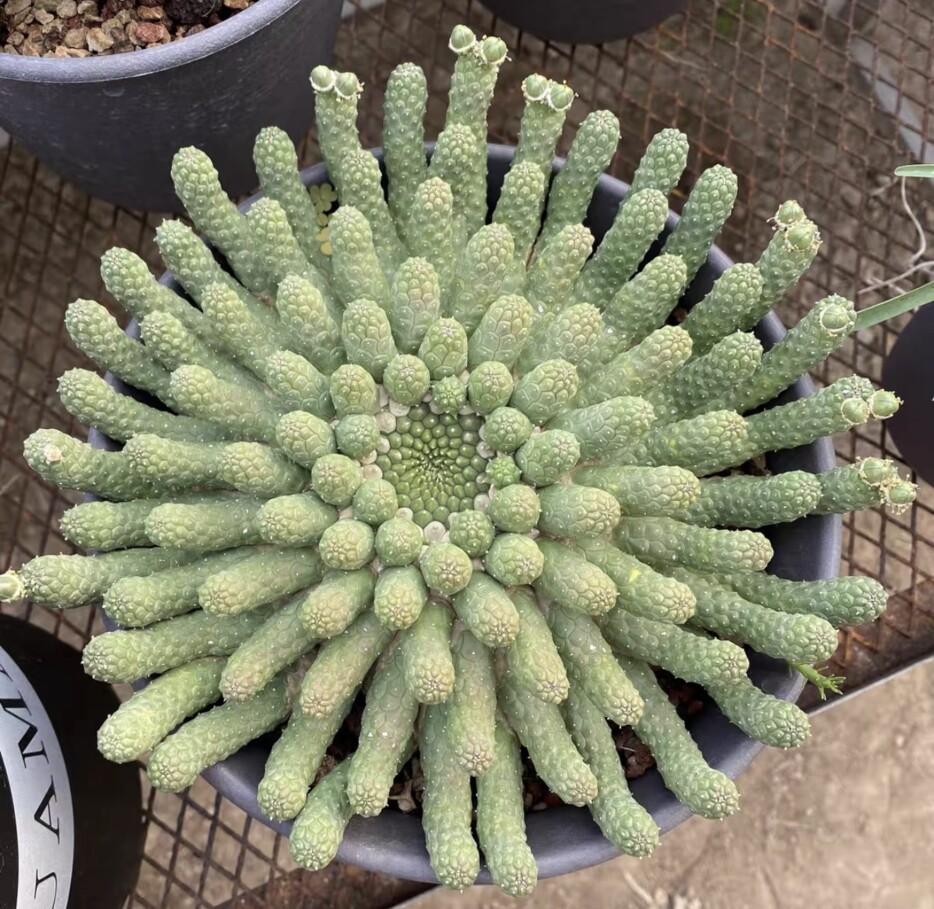
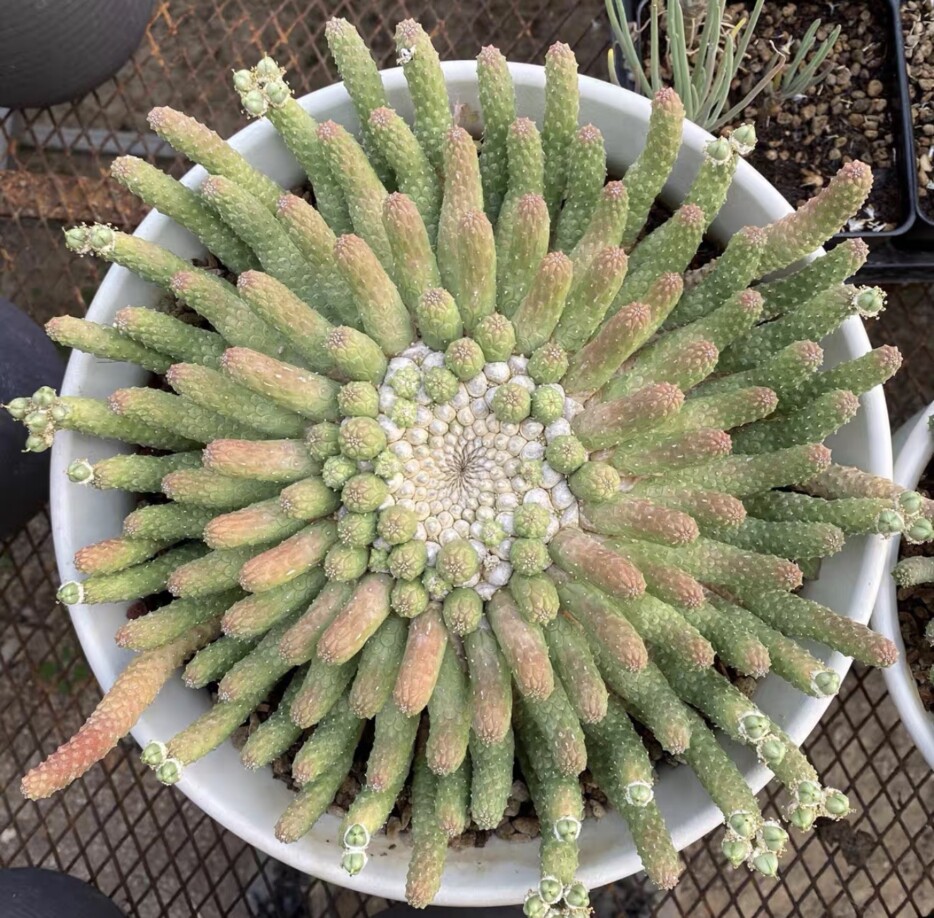
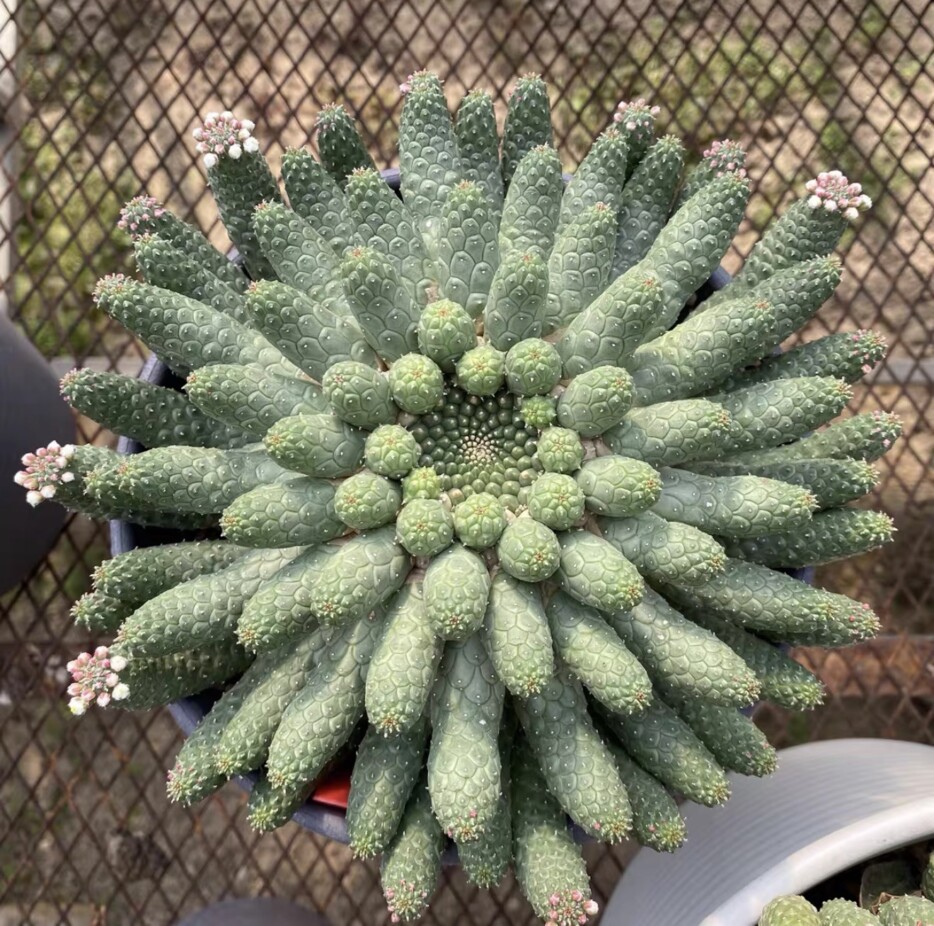
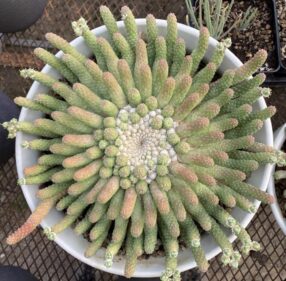
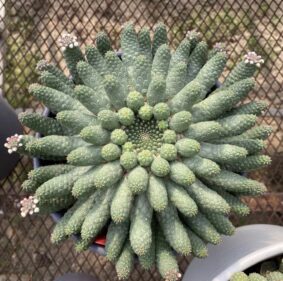
Euphorbia esculenta is a succulent plant in the genus Euphorbia, known for its caudiciform body—a swollen, bulbous stem that stores water—and its sculptural appearance. Native to arid or semi‑arid regions, this plant has evolved remarkable adaptations to survive extended periods without water. It typically forms a thick, rounded caudex (stem base) from which seasonal leaves emerge, often accompanied by fascinating textures, coloring, and sometimes even decorative markings.
Its natural habitat is characterized by rocky soils, periods of drought, and intense sun. In such challenging environments, Euphorbia esculenta thrives thanks to efficient water storage, reduced leaf surface during dry spells, and sometimes even deciduous behavior (shedding leaves) in the driest seasons. This species is especially valued by succulent collectors for its dramatic appearance and sculptural silhouette, which makes it a standout in a succulent collection or as a specimen plant in a garden setting.
Origin and Natural Habitat
Understanding the origin of Euphorbia esculenta helps in replicating ideal conditions for care. This succulent is usually found in dry, rocky terrains, often on slopes or in open spaces where drainage is excellent and sunlight is abundant. The soil in its native range tends to be gritty, mineral rich, and well drained, often composed of sand, rocks, and sparse organic matter. Rainfall is seasonal, with long dry seasons followed by brief periods of moisture.
Temperature fluctuations can be considerable—hot days, cool nights. The plant has adapted to high light intensity, occasional shade during extreme sun, and can survive temperature extremes as long as moisture and drainage are carefully managed. Replicating these natural conditions can make a big difference in cultivation success.
Morphology and Plant Description
Caudiciform Body
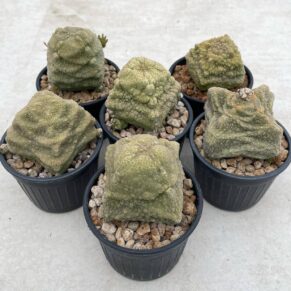
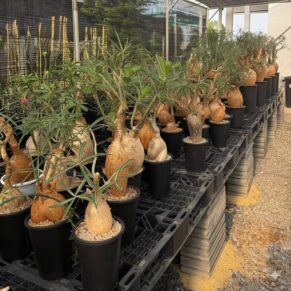
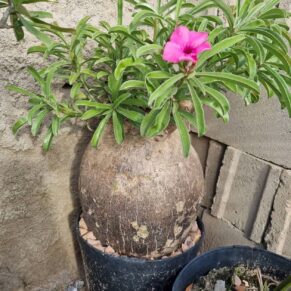
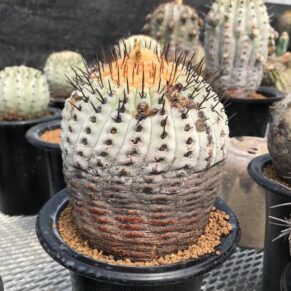
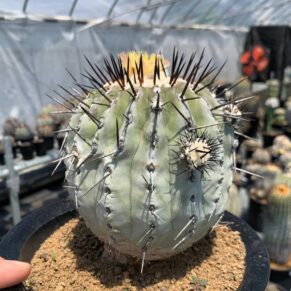
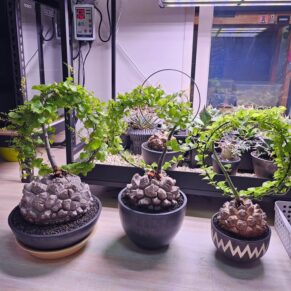
The defining characteristic of Euphorbia esculenta is its caudiciform stem—a thickened, water‑storing base known as a caudex. The shape may vary: globose (spherical), flattened, or slightly elongated, depending on age and growing conditions. Over time, the caudex may develop fissures, textures, or patterns that add to its visual appeal.
Leaves
When the plant is in its growing season, fleshy leaves emerge from the top of the caudex. Depending on environmental conditions, the leaves may be relatively small, broad, or somewhat narrow. In periods of drought or reduced water, Euphorbia esculenta may shed its leaves to conserve water, entering a semi‑dormant state.
Surface, Color, Texture
The surface of the caudex may be smooth, lightly textured, or sometimes mottled by environmental stresses (sun, temperature shifts). Color typically ranges from grayish green to olive, sometimes with tones of bronze or even purplish in response to sun exposure or cooler nights. New growth may appear brighter green, whereas older, more sun‑exposed surfaces often have deeper, more muted tones.
Flowers
Like many Euphorbias, Euphorbia esculenta produces cyathia—specialized inflorescences unique to the genus. The flowers are often small and inconspicuous compared to showy flowering plants, but they are architecturally interesting. Some growers appreciate the flowering cycle because it signals the approach of seasonal changes, and it can also indicate good health in the plant.
Cultivation & Care
Cultivating Euphorbia esculenta successfully depends on understanding and mimicking its native environment. Below are key aspects to focus on:
Light Requirements
This species requires bright light. Ideally, it should receive several hours of direct sunlight daily—morning sun is often gentler and beneficial, while harsh midday sun may scorch new growth, especially if the plant was previously grown in shade. A position with full sun to partial shade works best, with protection during the most intense heat. A south or west facing window (in indoor settings) or a lightly shaded outdoor spot works well.
Soil & Drainage
Excellent drainage is critical. Use a gritty, mineral‑rich soil mix. A base of coarse sand, perlite, pumice, or gravel helps. Avoid soils that retain water for long periods. Potting mix should be airy, allowing water to move through quickly—this prevents root rot, a common issue in succulents. A shallow pot with generous drainage holes also helps to avoid waterlogging.
Watering Regime
Watering should be seasonal. During the active growth period (often in warmer months), water deeply but infrequently—allowing the soil to dry partially between waterings. In the dormant or semi‑dormant period (often during cooler or very dry seasons), reduce watering drastically. Overwatering is one of the most common causes of problems in Euphorbia esculenta care; underwatering is tolerated better than too much moisture.
Temperature & Humidity
Warm temperatures are ideal. While Euphorbia esculenta tolerates cooler nights, frost is damaging. Keep it above about 5‑10°C (41‑50°F) when possible. During the warm season, higher temperatures up to 30‑35°C (86‑95°F) are acceptable, provided there is some airflow and not excessive humidity. Low to moderate humidity more closely matches its natural environment.
Fertilization
Light feeding during the growing season can boost health and growth. Use a balanced, diluted succulent fertilizer. Avoid over‑fertilization; the plant is not a heavy feeder. Once every few weeks or monthly during active growth is sufficient. No feeding during dormancy.
Propagation
Propagation of Euphorbia esculenta can be achieved through seed‑sowing or vegetative methods (cuttings). Both have pros and cons.
Seed Propagation
Growing Euphorbia esculenta from seed allows for genetic diversity and can produce unusual forms. Seeds require warmth, good light, and kept moderately moist until germination. Use a sterile, well‑draining seed mix. Germination rates will depend on seed freshness, temperature (approximately 20‑25°C), and consistent moisture without waterlogging.
Vegetative Propagation
You can propagate via cuttings from stems or offsets if available. Allow cut surfaces to dry and callus for several days before planting in a well‑draining medium. After callusing, place in bright, indirect light, keeping soil just barely moist until roots develop. Then gradually introduce more water and light to bring the new plant into regular growth.
Common Challenges and Pest Management
Even hardy succulents like Euphorbia esculenta face challenges. Below are issues growers may encounter, with solutions.
Overwatering & Root Rot
As noted, the most common problem is overwatering. Root rot presents as soft, darkened tissue at the base, often accompanied by bad odor. The solution is prevention: ensure excellent drainage, use coarse soil, water only when soil is dry. If rot begins, remove affected tissue, allow to dry, repot in fresh, sterile mix.
Leaf Drop & Stress
Stress from sudden changes—light, temperature, watering—can trigger leaf drop. For Euphorbia esculenta, leaf drop is natural during dormancy, but if leaves fall outside of expected dormant periods, review current care. Adjust watering, check for pests, ensure temperature and light are stable.
Pests
Occasionally, pests such as mealybugs, scale insects, or spider mites may target succulent bodies or leaves. Inspect regularly, especially in crevices or where leaves meet the caudex. Treat with gentle insecticidal soap, neem oil, or carefully with alcohol‑swab for localized infestations. Maintain good airflow to discourage pests.
Sunburn & Temperature Stress
Too much harsh midday sun can burn the plant, leaving white or brown patches. Similarly, exposure to frost or very cold temperatures can damage tissue. Shade during hottest periods and protect from cold. Acclimate plants gradually when moving from shade to bright sun.
Seasonal Care Cycle
Understanding the seasonal rhythm of Euphorbia esculenta helps to maintain consistent growth and avoid stress.
-
Spring: The plant exits dormancy. Begin watering more frequently once soil is dry. Providing bright light encourages leaf growth. Fertilize lightly.
-
Summer: Peak growth. Maintain regular watering, but still ensure soil dries between waterings. Watch for signs of heat stress.
-
Autumn: Growth slows. Reduce watering gradually. Some leaf drop may begin if the plant senses impending dormancy.
-
Winter: Dormant period for many specimens. Water sparingly, just enough to prevent desiccation of the caudex. Light and temperature are still important—avoid total darkness or freezing conditions.
Display and Aesthetic Value
One reason enthusiasts love Euphorbia esculenta is its striking appearance, which lends itself to both botanical display and artistic arrangement.
-
As a centerpiece in a succulent collection, its dramatic caudex draws the eye.
-
In minimalist or desert‑style gardens, it can serve as a sculptural focal point.
-
Container gardening allows control over soil, light, and temperature—ideal for highlighting the unique form.
-
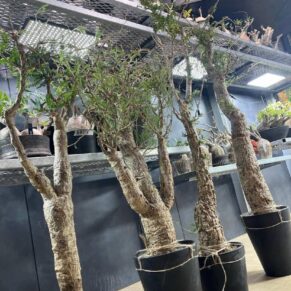
Bonsai‑like treatments, or pairing with rocks and gravel, accentuate its rugged beauty.
Practical Tips & Tools
To care well for Euphorbia esculenta, consider a few practical tools and habits:
-
Use pots with drainage holes, preferably shallow and wide rather than deep.
-
Choose soil additives like coarse sand, pumice, or lava rock to improve drainage.
-
Implement a light meter or utilize site observations to gauge whether the plant is getting sufficient light or is being overstressed.
-
Use a thermometer to monitor temperatures, especially at night.
-
Keep humidity moderate to low; use ventilation or air movement to prevent overly moist air.
-
Observe visual cues—color changes, leaf drop, growth patterns—as indicators of stress or health.
Why Cultivate Euphorbia esculenta?
Understanding the benefits of growing Euphorbia esculenta helps explain why it is favored among collectors and gardeners alike.
-
Low Maintenance: Once established in the right soil and given proper light, it requires relatively little attention.
-
Drought Tolerance: Well adapted to dry environments; can go for periods without water, making it ideal in arid or low‑water settings.
-
Aesthetic Appeal: Unique caudex forms, leaf cycles, and sculptural shape make it both a botanical specimen and decorative plant.
-
Educational Value: Studying its adaptations—water storage, seasonal leaf drop, survival strategies—offers insight into succulent biology and environmental adaptation.
-
Long‑Lived: With good care, it can live many years, growing into a mature, impressive specimen.
Frequently Asked Questions
How fast does Euphorbia esculenta grow?
Growth is typically slow to moderate. During active seasons, you may see new leaves and modest caudex widening. Growth rate depends heavily on light, temperature, and watering. Under ideal conditions, growth is more vigorous; under stress (lack of light, water, or nutrients), growth slows substantially.
What size can Euphorbia esculenta reach?
Mature size depends on age and environment. The caudex can become quite large, several inches across, though many cultivated specimens remain smaller depending on pot size and growing conditions. The height including leaves can vary; if grown outdoors or in large containers, plants may expand correspondingly.
Can it tolerate indoor growing?
Yes—with caveats. Indoor growth is possible if the plant gets bright light (ideally near a south‑ or west‑facing window), well‑draining soil, controlled watering, and temperature stability. Indoor air can be drier, which is beneficial, but insufficient light is a common issue indoors.
Is Euphorbia esculenta toxic?
Like many Euphorbias, this species contains milky sap that can irritate skin or eyes and may be mildly toxic if ingested. Care should be taken when handling—gloves are recommended; keep away from children or pets who might chew on foliage. Always wash hands after handling the plant.
Summary
In summary, Euphorbia esculenta is a remarkable succulent combining striking visual impact, resilience, and botanical interest. With its unique caudex, seasonal leaf display, tolerance for drought, and need for bright light, it offers both beauty and fascination for succulent lovers. Whether you are seeking a specimen plant for display, a low‑maintenance yet dramatic addition to your collection, or a subject of botanical inquiry, this species delivers.
Final Thoughts
To get the best out of Euphorbia esculenta, the core principles are simple yet essential: provide bright light, excellent soil drainage, seasonal watering, and protect from extremes of cold or waterlogging. Persistence, observation, and gradual adjustment will yield strong, healthy plants. Over time, you’ll learn the personality of each specimen—how it responds to light shifts, how it forms its caudex, and when it prefers to rest. That relationship is part of the joy of growing Euphorbia esculenta.
Thank you for exploring our resource. We hope this in‑depth guide empowers you to cultivate, enjoy, and perhaps even propagate Euphorbia esculenta in its full glory in your own space.