
- Your cart is empty
- Continue shopping
Shop
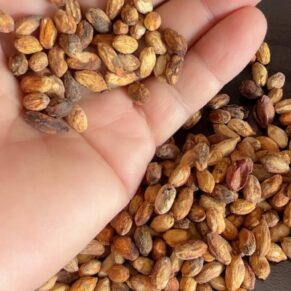
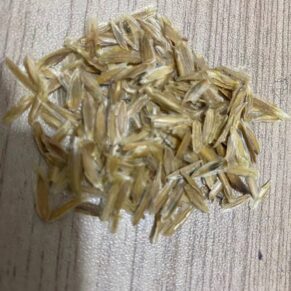
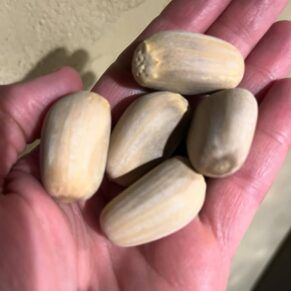
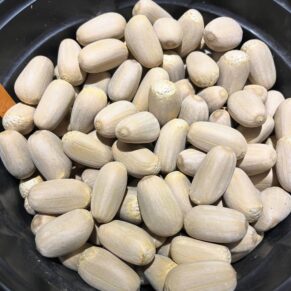
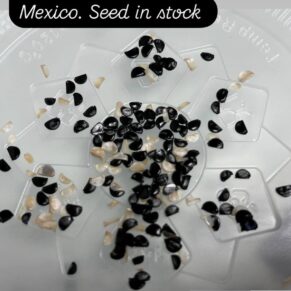
Dioscorea elephantipes seeds
dioscorea elephantipes seeds for sale
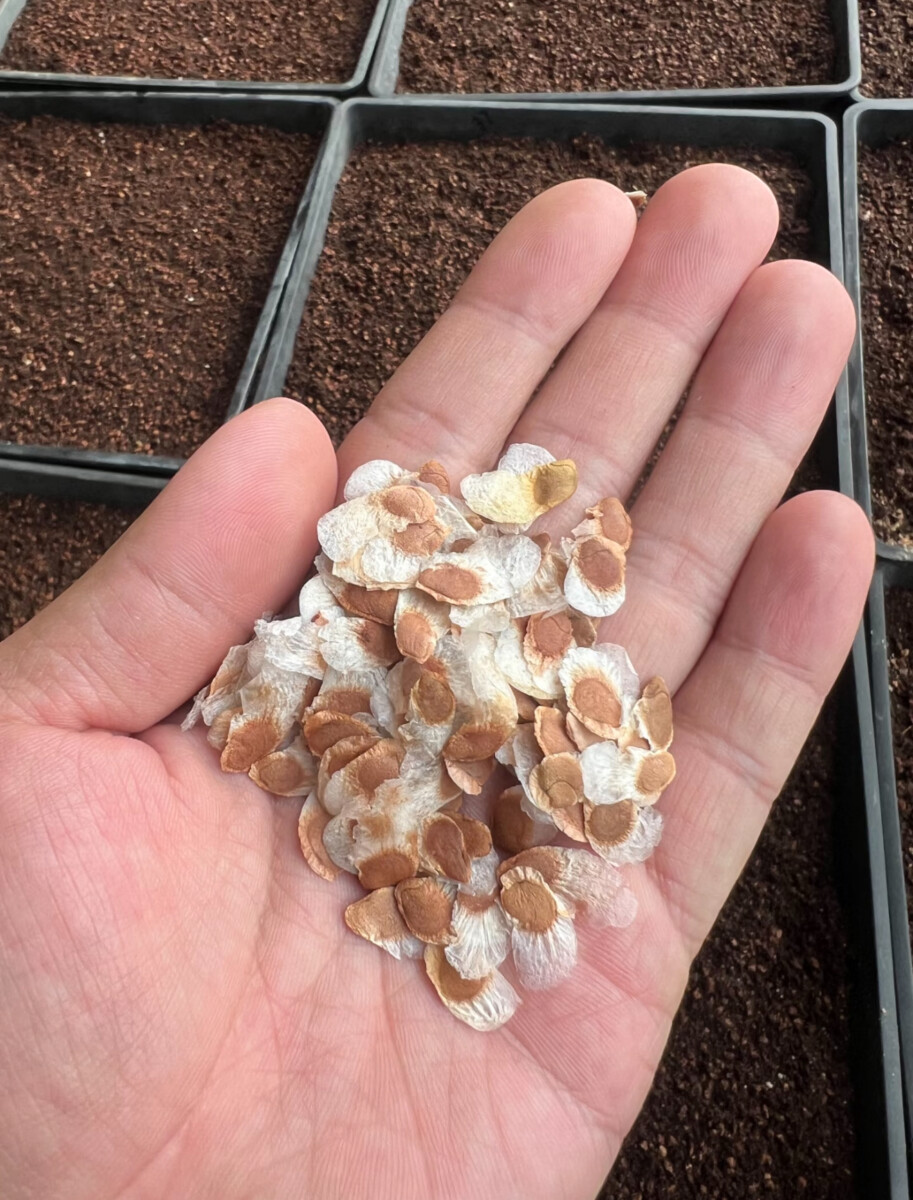
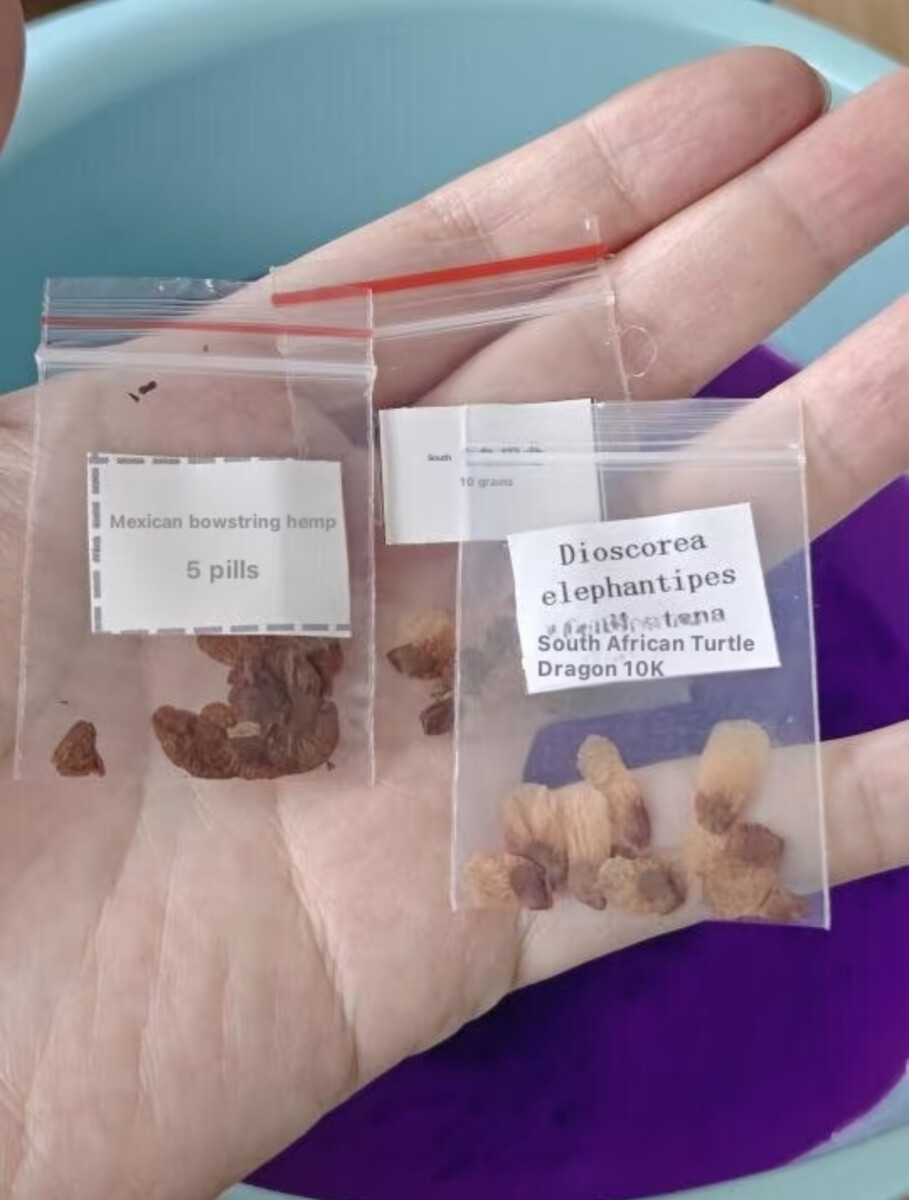
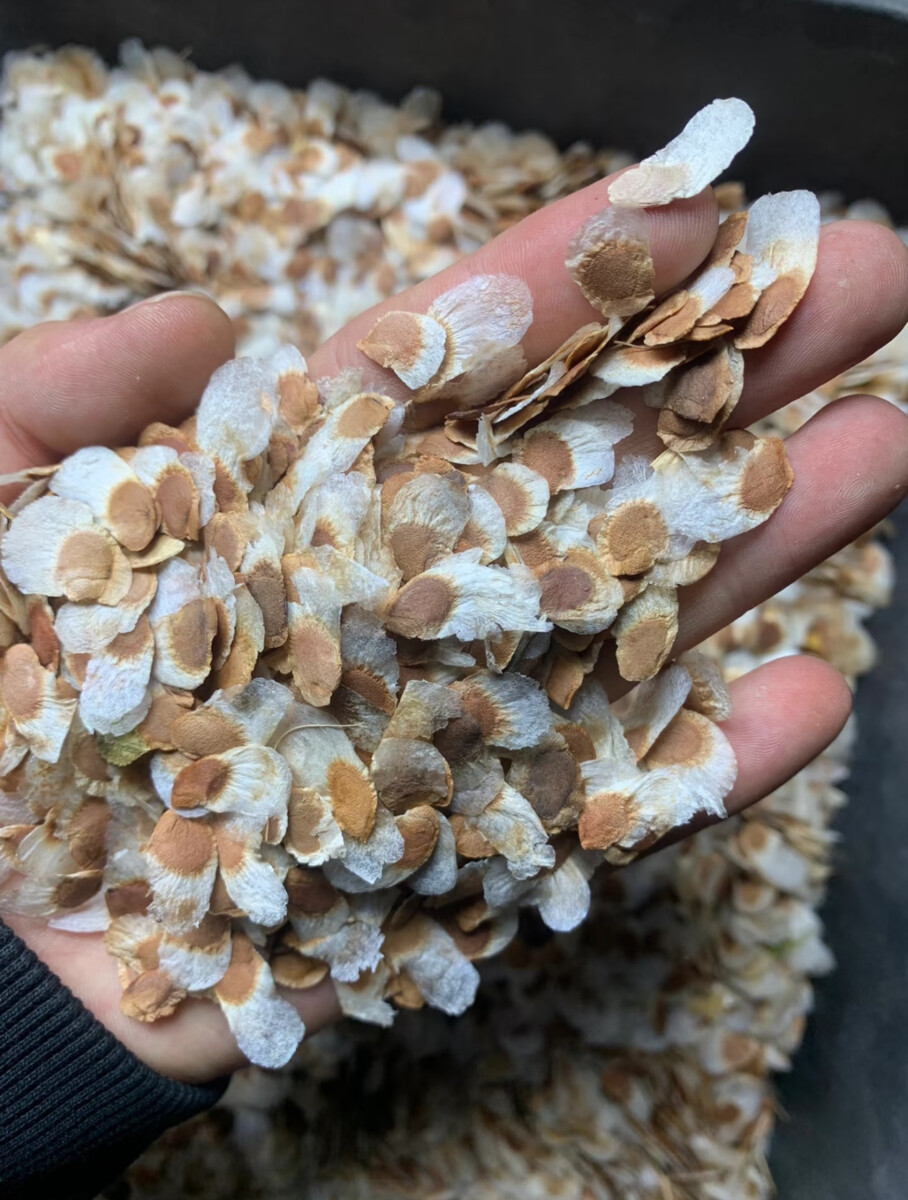
Price range: $50.00 through $189.99
Buy premium Dioscorea elephantipes seeds with high germination rates—perfect for growing rare, sculptural caudiciform plants at home.shop dioscorea seeds here
Quantity
Choose an option
Add to cart
Buy Now
Discover and Cultivate: Premium Dioscorea Elephantipes Seeds
Welcome to your premier source for exceptional dioscorea elephantipes seeds—the perfect beginning for anyone captivated by striking caudiciform plants. Whether you’re a newcomer or a seasoned succulent enthusiast, you’re in the right place. Our seeds come with high germination potential, genetic diversity, and detailed care guidance to help turn tiny embryos into sculptural living art. In this extensive guide, we’ll lead you through the botany, origin, germination steps, seedling care, advanced cultivation tips, design ideas, and conservation value of dioscorea elephantipes seeds—empowering you to cultivate not just a plant, but a journey.facebook enthusiastic group
1. Botanical Background & Origin
Dioscorea elephantipes—also known as the “elephant’s foot,” “tortoise plant,” or “Hottentots pumpkin”—is a remarkable tuberous vine endemic to arid regions of South Africa. It’s distinguished by its sturdy, corky, flat caudex with polygonal segments reminiscent of a giant tortoise shell. The vine climbs gracefully when dormant in the summer and erupts with verdant foliage in cooler months. Our dioscorea elephantipes seeds are ethically sourced, genetically varied, and offer authentic specimens true to wild-type characteristics. Since seeds are the foundation of healthy populations and captive propagation, selecting dioscorea elephantipes seeds is both a horticultural and conservation-smart choice, especially given the species’ slow growth and vulnerability in the wild.
2. Why Choose Seeds Over Mature Plants
Opting for dioscorea elephantipes seeds rather than mature plants offers several benefits:
-
Cost-Effective: Seeds are more affordable and accessible than mature caudexes.
-
Unique Specimens: Each seed may display distinct leaf shapes, vine habits, or caudex patterns.
-
Educational Joy: Growing from seed deepens your understanding of seasonal cycles and growth rhythm.
-
Ethical & Sustainable: Seed propagation reduces pressure on wild populations.
-
Community & Sharing: Mature plants can yield seeds to exchange, encouraging responsible horticulture.
Whether your interest lies in botanical artistry, conservation, or personal growth, dioscorea elephantipes seeds are a rewarding starting point.
3. Germination Guide for Dioscorea Elephantipes Seeds (≈500 words)
Germinating dioscorea elephantipes seeds requires patience and precision. Here’s the full guide:
-
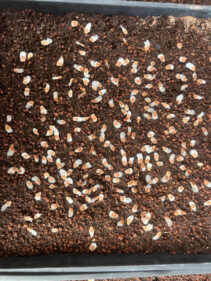
Pre-treatment: Soak dioscorea elephantipes seeds in warm (but not hot) water for 12–24 hours to soften seed coats and initiate germination.
-
Growing Medium: Use a well-draining, sterile medium—preferably a blend of fine pumice or perlite with a bit of standard succulent soil. Aim for a 70% mineral to 30% soil ratio.
-
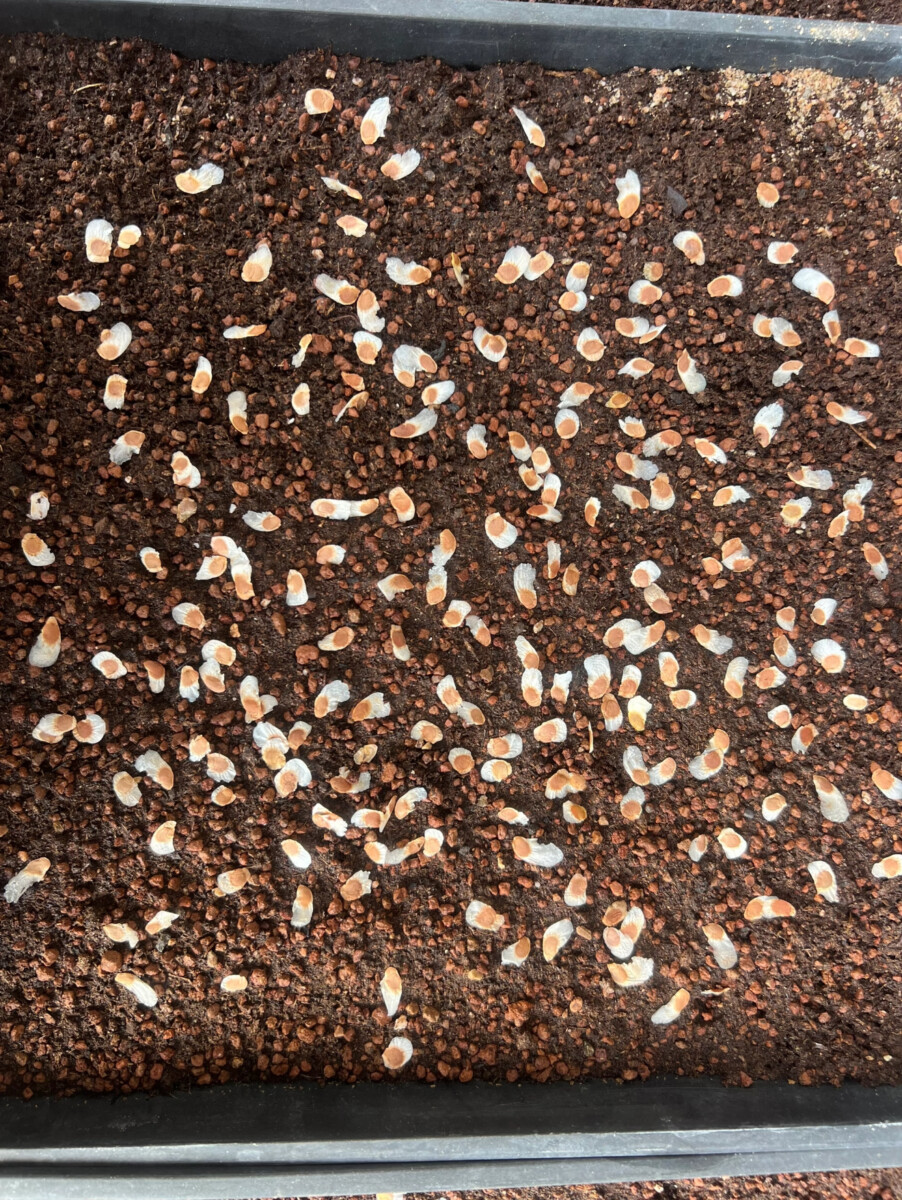
Planting Depth: Sow seeds about 2 mm below the surface, spaced in small trays or individual pots. Avoid burying too deeply.
-
Temperature & Lighting: Keep daytime temps at 22–25 °C (72–77 °F), with nighttime above 15 °C (59 °F). Use bright, indirect light—not harsh midday sun.
-
Moisture Control: Keep the medium lightly moist using fine mist or bottom watering. A light plastic cover for the first week can help retain humidity.
-
Germination Timeline: Expect seedlings in 7–21 days. Some seeds may take up to a month. Once they emerge, gradually remove the cover to adapt to drier air.
-
Hardening Off: Over 10–14 days, introduce improved airflow and slightly reduce moisture while maintaining bright light.
These steps ensure that dioscorea elephantipes seeds will develop into healthy seedlings with top chances of success.
4. Seedling Care & Development
Once seedlings from your dioscorea elephantipes seeds emerge:
-
Potting Up: After they develop true leaves, move them to individual pots with the same fast-draining mix.
-
Light & Exposure: Provide morning or late afternoon sun; avoid intense midday rays that might scorch tender leaves.
-
Watering Regime: Allow the soil surface to dry slightly, then water thoroughly. In the dry season, reduce frequency to mimic natural dormancy cycles.
-
Nutrient Support: During the growing season, feed lightly with low-nitrogen balanced fertilizer (e.g., 10‑10‑10) at quarter strength every 4–6 weeks.
-
Monitoring: Watch for leggy growth, pests, or early root crowding. Repot when necessary to encourage healthy caudex and root development.
Seedlings from dioscorea elephantipes seeds can reveal early signs of the distinctive caudex pattern within their first year.
5. Seasonal Growth & Maturation
As these plants mature:
-
Preferred Containers: Opt for wide, shallow pots to accommodate caudex thickening while ensuring excellent drainage.
-
Soil Enhancements: Incorporate coarse grit or expanded clay to prevent moisture retention.
-
Watering Seasons:
-
Dormancy (Summer): Reduce water, allowing the vine to rest.
-
Growth (Autumn–Spring): Water more generously, letting soil dry between irrigations.
-
-
Light & Temperature: Offer strong indirect light and keep temperatures above 10 °C (50 °F). Protect from frost or cold draft.
-
Vine Training: As vines emerge, you can shape them for display—winding softly or using supports to guide structure.
-
Flowering & Seed Production: Mature plants produce inconspicuous yellowish blossoms in late seasons. With proper care, they may yield fertile pods, enabling you to eventually harvest your own dioscorea elephantipes seeds for continued propagation.
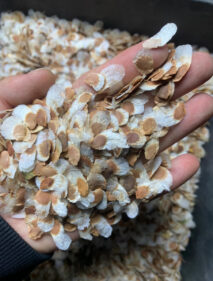
Dioscorea elephantipes seeds
6. Soil Mix Recipes & Variations Ideal soil blends for different growth stages:
Seedling Mix:
-
70% pumice or coarse sand
-
30% succulent potting soil
Mature Plant Blend:
-
40% decomposed granite or gritty bark
-
30% pumice or lava rock
-
20% coarse sand
-
10% organic-free cactus soil
Custom Lightweight Option:
-
60% expanded clay or pumice
-
20% charcoal
-
20% coarse grit
Ensure your pots have drainage holes and avoid saucers with standing water. With these mixes, dioscorea elephantipes seeds will transition into thriving, long-term specimens.
7. Troubleshooting & Common Issues Possible challenges and solutions:
-
Damping-Off (Seedlings): Use sterile media, good airflow, and reduce humidity to prevent fungal issues.
-
Root Rot: For mature plants, ensure good drainage; repot with fresh soil and trim soft roots.
-
Etiolation: Avoid by increasing indirect light and rotating the plant for symmetry.
-
Pests: Mealybugs or spider mites may appear. Monitor regularly and treat with organic insecticidal soap if needed.
-
Sunburn: Introduce light exposure gradually to avoid scorching caudex or foliage.
-
Failure to Flower or Seed: Encourage bloom by providing a distinct dormant period, adequate light, and intentional watering cycles.
Addressing these concerns early helps seedlings from dioscorea elephantipes seeds grow to their full, sculptural potential.
8. Display & Design Ideas
Once caudexes develop from dioscorea elephantipes seeds:
-
Minimalist Showcase: Place a mature plant in a raw terracotta pot on a pedestal for a striking highlight.
-
Rock & Gravel Gardens: Surround the caudiciform with textured gravel and other succulent companions for a desert tableau.
-
Suited to Bonsai Styling: Vines can be arranged like miniature bonsai with gentle pruning and careful training.
-
Group Display: Pair with other caudiciforms or xerophytes to form cohesive, low-water arrangement.
-
Outdoor Living Art: In frost-free regions, display on patios or rockeries to evoke arid landscapes.
These design concepts emphasize the unique form that starts when you plant dioscorea elephantipes seeds, turning them into living sculptures.
9. Conservation & Sustainability
Choosing dioscorea elephantipes seeds supports broader ecological stewardship:
-
Wild Preservation: Cultivation from seeds helps reduce demand for wild-collected plants.
-
Seed Sharing: Over time, you can harvest and share seeds—promoting ethical propagation within the community.
-
Awareness Building: Your growing specimen becomes an ambassador for South African flora and conservation efforts.
Each plant grown from dioscorea elephantipes seeds is a step toward sustaining biodiversity and horticultural education.
10. FAQs
Q1: What is the germination rate of dioscorea elephantipes seeds?
Typically 50–70% when seeds are fresh and conditions are well managed.
Q2: When does the signature caudex become visible?
In well-cared-for seedlings, initial caudex formation may appear within the first year; fully developed structure often takes several years.
Q3: Can they be grown outdoors?
Yes—if your climate remains warm and dry. Otherwise, keep in containers and bring indoors during colder or wet months.
Q4: Is special fertilizer needed?
A diluted, balanced fertilizer (low nitrogen) during active growth months is sufficient.
Q5: Are dioscorea elephantipes seeds legal for international shipping?
Check your local seed import regulations. Many regions allow such succulent seeds, but customs policies differ—do ensure compliance.
Conclusion
Your journey begins with dioscorea elephantipes seeds—small and unassuming, yet full of potential. With this comprehensive guide—encompassing germination, care, design, troubleshooting, and conservation—you’re now equipped to cultivate living art. Each caudiciform plant that arises reflects not just time and care, but the wonder of growth from a tiny seed. Embrace the process, savor every seasonal nuance, and watch your dioscorea elephantipes seeds transform into a plant that captures strength, sculptural elegance, and botanical history.
Keyword Usage Summary
| Quantity | 50, 200, 500 |
|---|