- Your cart is empty
- Continue shopping
Shop
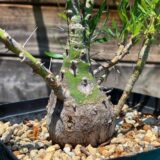
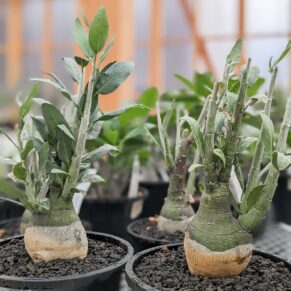
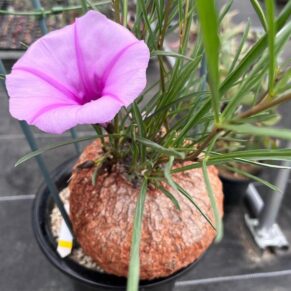
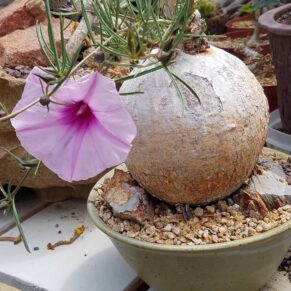
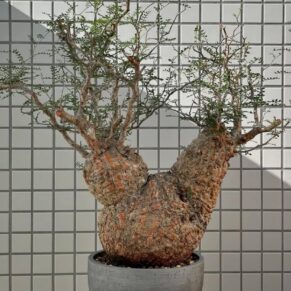
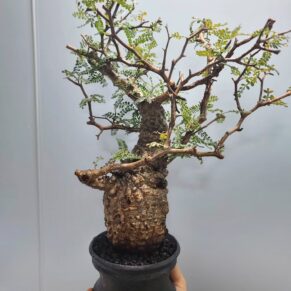
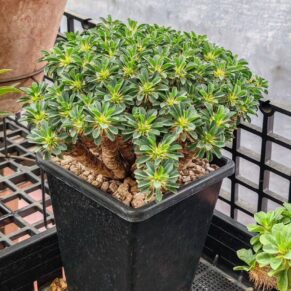
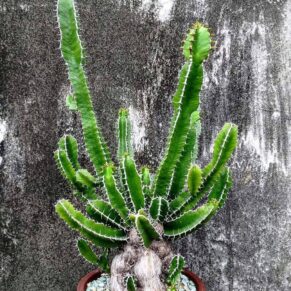
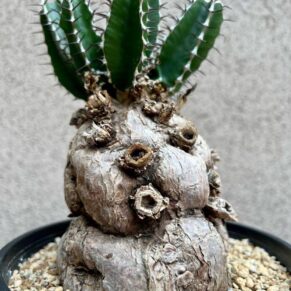
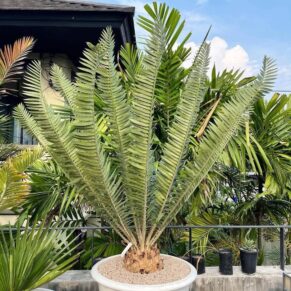
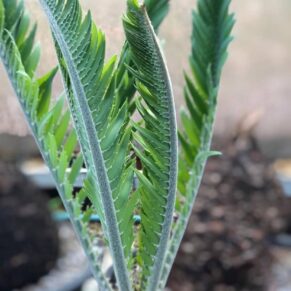
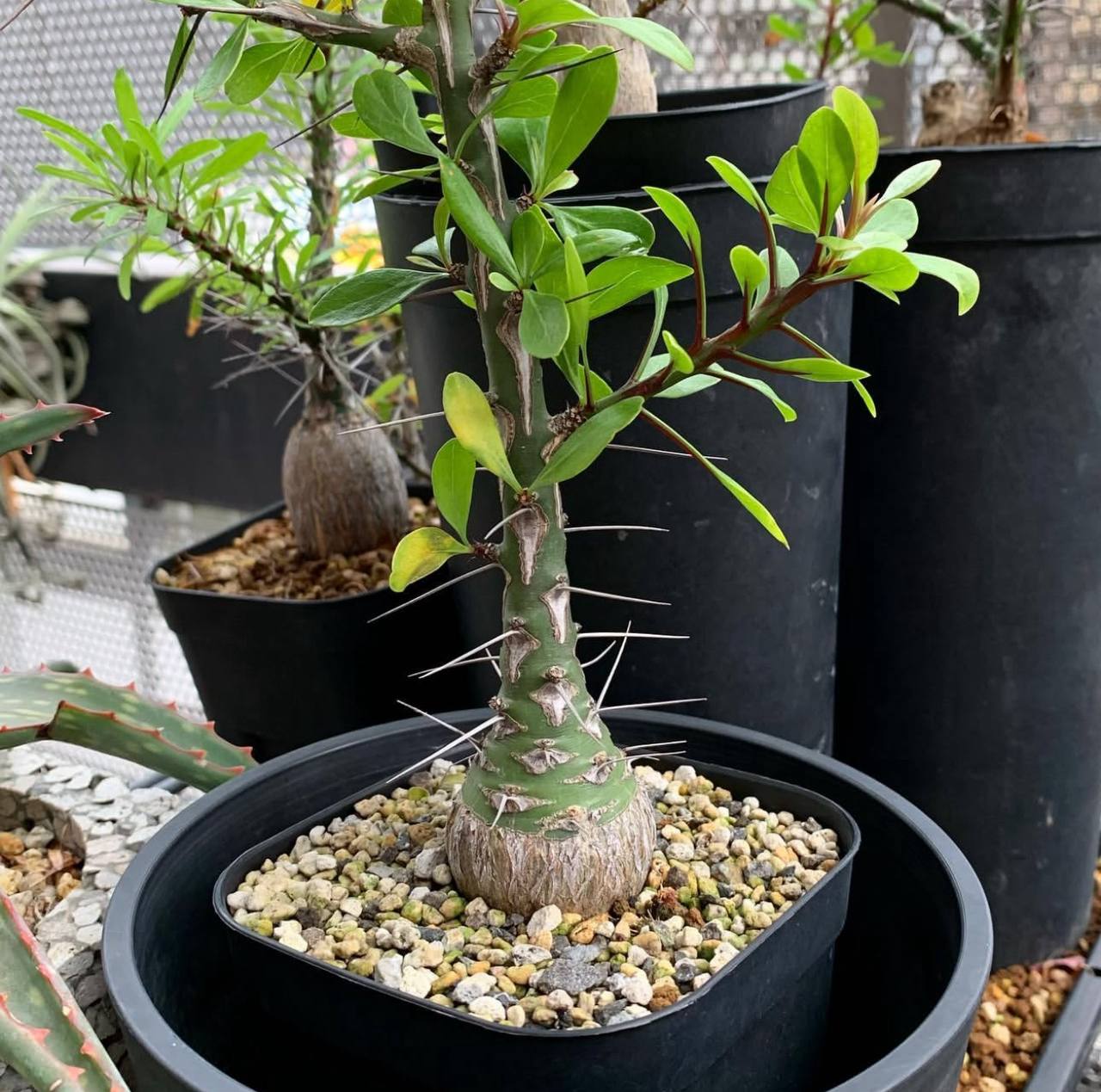
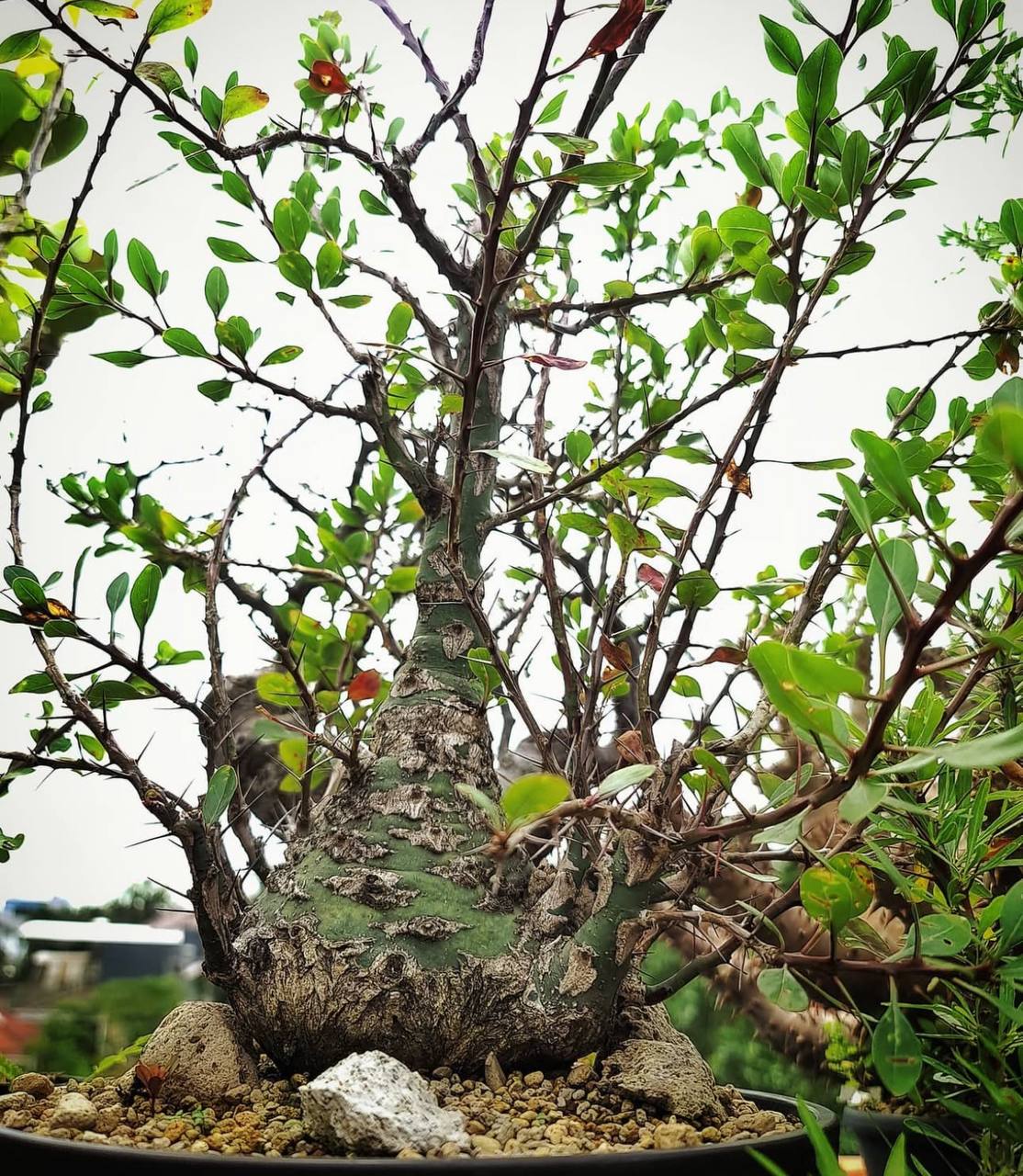
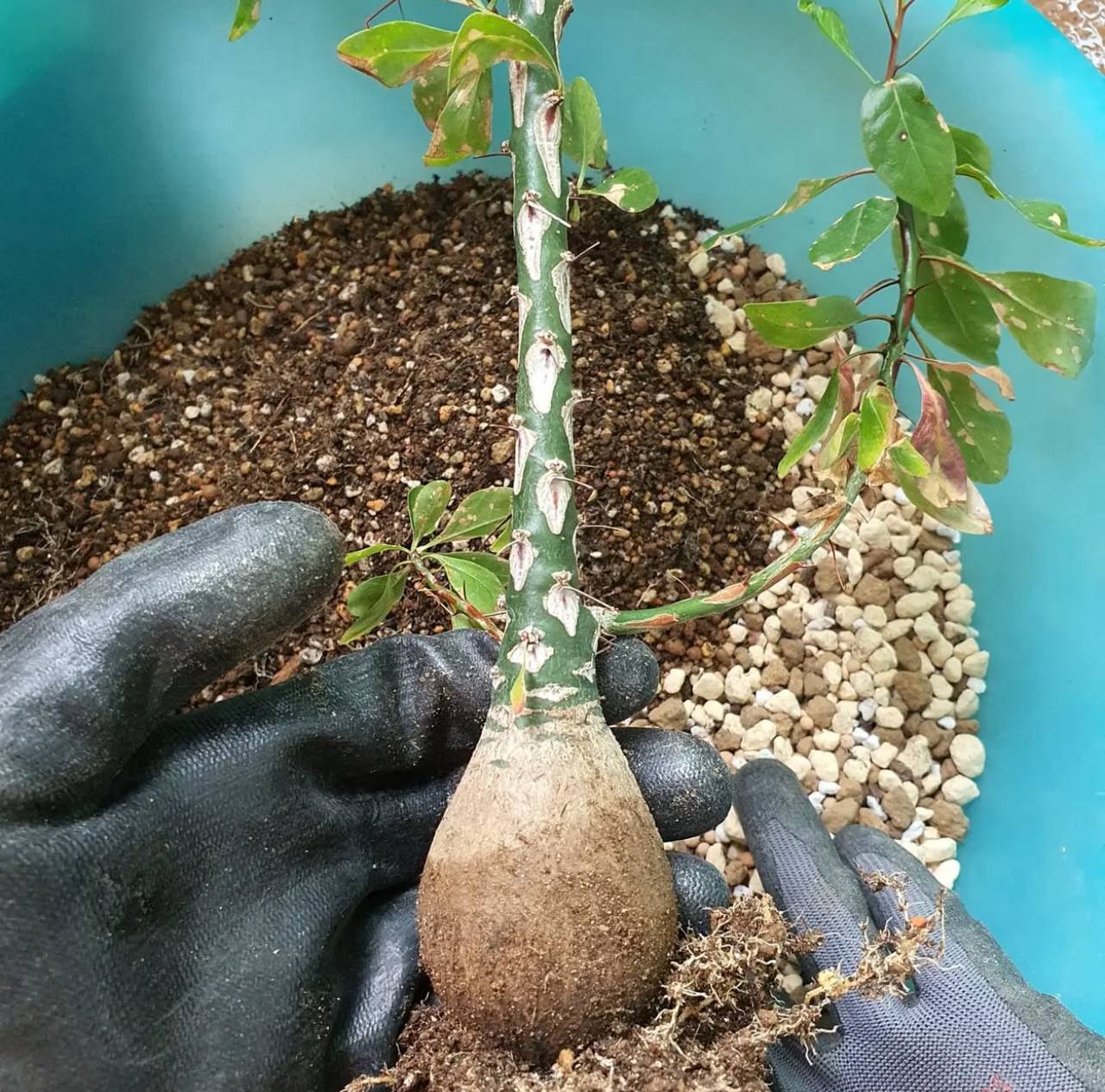
commiphora fasciculata

$90.00
Explore Commiphora fasciculata, a rare resin-producing plant with medicinal, ecological, and research value native to East Africa.
Add to cart
Buy Now
🌿 Commiphora fasciculata – A Detailed Exploration of a Rare Medicinal Plant Species
Welcome to the most comprehensive online resource dedicated to Commiphora fasciculata, a lesser-known yet ecologically and medicinally important member of the Burseraceae family. This species, native to parts of East Africa, particularly Somalia, Ethiopia, and Kenya, is gaining recognition for its unique botanical characteristics and potential therapeutic properties. Whether you’re a researcher, herbal practitioner, conservationist, or simply a plant enthusiast, our website provides in-depth, scientifically grounded information on Commi fasciculata—from its taxonomy to its traditional and emerging uses.Facebook Page
🌱 What is Commiphora fasciculata?
Commiphora fasciculata is a deciduous shrub or small tree belonging to the genus Commiphora, which contains over 190 species, many of which are resin-producing and widely used in traditional medicine and perfumery. The species name “fasciculata” refers to its distinctive clustered (fascicled) leaves and shoots, a feature that differentiates it from closely related Commiphora species.Shop Here
This species typically thrives in dry savannas and semi-arid environments, adapted to harsh conditions through its peeling bark, water-storing tissues, and deep root systems. As a native species of the Horn of Africa and nearby regions, Commiphora fasciculata plays a crucial role in the local ecosystem, supporting pollinators, stabilizing soil, and offering natural remedies to indigenous populations.Shop Here
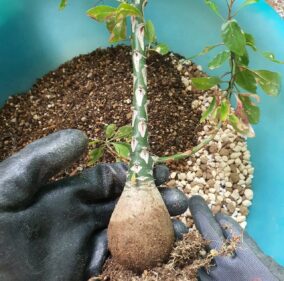
🔬 Taxonomy & Botanical Characteristics
-
Family: Burseraceae
-
Genus: Commiphora
-
Species: Commiphora fasciculata
-
Authority: Engl.
Botanical features include:
-
Height: Usually ranges from 1.5 to 4 meters
-
Bark: Aromatic, exfoliating in papery flakes, often reddish-brown
-
Leaves: Alternate, fascicled, compound with small leaflets
-
Flowers: Small, yellowish or greenish, with a subtle fragrance
-
Fruit: Drupaceous, typically small and reddish when mature
🌿 Medicinal and Traditional Uses of Commiphora fasciculata
Commiphora species have been historically valued for their oleo-gum resins, including myrrh and opopanax, widely used in traditional medicine systems. While Commi fasciculata is not as commercially well-known as Commiphora myrrha or Commiphora wightii, it is utilized by local communities in Ethiopia and Somalia for a range of healing applications.Shop Here
-
Wound healing – resin applied topically as antiseptic
-
Digestive aid – extracts used to relieve stomach ailments
-
Respiratory support – smoke or vapors used to ease cough and congestion
-
Insect repellent – aromatic resin burned to repel insects
Preliminary phytochemical analysis of Commi fasciculata and related species shows the presence of.Shop Here
-
Essential oils
-
Sesquiterpenes and diterpenes
-
Flavonoids
-
Guggulsterones
These compounds are known for anti-inflammatory, antimicrobial, antioxidant, and analgesic properties, making this species a promising candidate for pharmaceutical research.
🧪 Phytochemistry and Scientific Interest
Scientific exploration of Commiphora fasciculata is still in the early stages, but the growing demand for natural remedies and plant-based therapies is driving new studies. Areas of research interest include.Shop Here
-
Essential oil composition and yield
-
Biological activity of resin extracts
-
Sustainable harvesting and cultivation potential
-
Pharmacological comparisons with Commiphora myrrha and others
As traditional knowledge meets modern science, Commi fasciculata stands out as a potential source of novel therapeutic agents.
🌍 Ecological Significance and Conservation
This species plays an important ecological role in the arid and semi-arid habitats where it grows. It contributes to.Shop Here
-
Soil conservation and erosion control
-
Pollinator support through its flowering phase
-
Biodiversity maintenance in dryland ecosystems
However, like many Commiphora species, Commi fasciculata is threatened by overharvesting, habitat loss, and climate change. Our platform supports and promotes:
-
In-situ conservation efforts
-
Ex-situ propagation for research and commercial use
-
Community-based conservation initiatives
-
Policies for sustainable resin trade
📈 Applications and Market Potential
Although still underutilized in global markets, Commi fasciculata holds untapped potential in several industries.Shop Here
-
Natural health products
-
Aromatherapy and essential oils
-
Botanical skincare
-
Ethical and sustainable perfumery
-
Herbal supplements
We provide research-backed guidelines for ethical sourcing, cultivation, and product development using Commiphora fasciculata, creating opportunities for entrepreneurs, herbal brands, and researchers.Shop Here
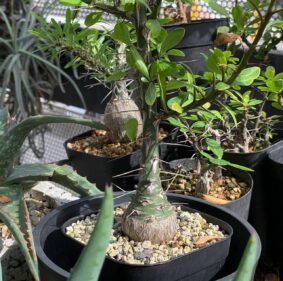
✅ Why Choose Our Website for Commi fasciculata Insights?
We are committed to becoming the internet’s most trusted source for accurate, up-to-date, and expert-reviewed content on Commi fasciculata. Here’s what sets us apart:
-
Detailed species profiles with taxonomic updates
-
Collaboration with botanists and herbal experts
-
Field-based research and case studies
-
Free access to articles, guides, and visuals
-
Community platform for plant researchers and conservationists
🌿 Join the Global Movement to Understand and Protect Commiphora fasciculata
From traditional knowledge to modern botanical science, Commi fasciculata offers a fascinating glimpse into nature’s pharmacy. Explore our resources, learn how to identify and sustainably use this plant, and stay connected to the latest research and conservation efforts.Shop Here
Whether you are studying this species academically, cultivating it for its resin, or developing herbal products, we invite you to be part of a growing network passionate about Commi fasciculata and the preservation of botanical diversity.Shop Here