
- Your cart is empty
- Continue shopping
-
caudexplants.com
- Posted on
- Categories:Blog
- 0 comments
If you want to buy beautiful and best quality plants visit :caudexplants.com
Complete Guide to Caudex Care: Tips for Thriving Plants. Visit a reliable facebook group
Caudex care is essential for any plant enthusiast looking to nurture and grow plants with swollen, water-storing stems or trunks. These unique plants, which include species like Pachypodium, Operculicarya, and Dioscorea, have become favorites among gardeners for their unusual and striking appearance. If you are looking for a reliable source to buy cuadex plants visit caudexplants.com .In this comprehensive guide, we’ll walk you through everything you need to know to ensure your caudex plants thrive, including proper care techniques, watering tips, propagation methods, and common issues.Buy your caudexplants at :caudexplants.com
What is a Caudex Plant?
The term “caudex” refers to a thick, swollen stem or trunk that stores water, helping these plants survive in dry conditions. Caudex plants are typically succulents or semi-succulents, and they have evolved to store water in their stems, enabling them to survive through long periods of drought. Many caudex plants also have fascinating and unique appearances, often resembling an elephant’s foot or a small tree.Order your plants at.caudexplants.com
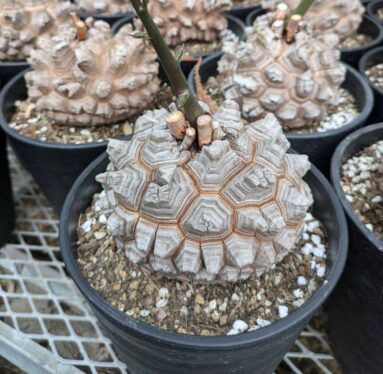
Types of Caudex Plants
There are several varieties of caudex plants that enthusiasts love to grow. Some popular ones include:
- Pachypodium: A genus of plants known for their thick, swollen trunks and spiny stems.
- Dioscorea elephantipes: Known for its large, elephant-foot-like caudex.
- Operculicarya pachypus: A Madagascar native with a bulbous trunk and branching stems.
Each of these plants has its unique features, but they all share the characteristic of a caudex that stores water, making them well-suited for drought-prone environments.Buy your caudexplants at.caudexplpants.com
The Importance of Proper Caudex Care
Proper caudex care is crucial to the health of these fascinating plants. Since they store water in their trunks, they don’t require frequent watering but do need specific care conditions to thrive. Providing the right environment and care techniques will ensure your caudex plant flourishes, with its trunk growing robust and its leaves healthy.Order your beautiful with best quality caudexplants from:caudexplants.com
Key Factors in Caudex Care
- Light Requirements: Caudex plants generally need bright, indirect sunlight to thrive. Most varieties enjoy full sun in their native environments, but indoors, they should be placed near windows where they can receive filtered light.
- Watering: The watering needs of caudex plants differ from those of other houseplants. While they can survive periods of drought, overwatering can lead to root rot. Understanding the specific watering needs for each type of caudex plant is essential.If you’re looking to buy caudexplants visit caudexplants.com
- Soil: Well-draining soil is essential for caudex care. The plant’s caudex stores water, but it’s crucial that the soil doesn’t retain excess moisture that can harm the roots.visit the website caudexplants.com to order your plants
- Temperature and Humidity: Most caudex plants prefer warm temperatures and low humidity. Understanding the temperature range for your particular plant will ensure it grows in optimal conditions.
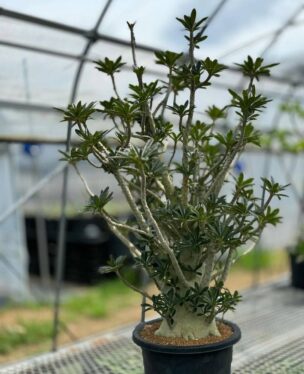
Light and Temperature for Caudex Plants
One of the most critical aspects of caudex care is providing the right amount of light and temperature for your plant. Caudex plants are typically found in arid or semi-arid regions, so they require bright light and warm temperatures to thrive.
Ideal Light Conditions
Caudex plants require bright, indirect light. If you’re growing them indoors, place your plant near a window with plenty of natural sunlight, but avoid direct midday sun, which can scorch the leaves. If grown outside, make sure your caudex plant receives ample morning sunlight but is protected from the harsh afternoon rays.Order your caudexplants at:caudexplants.com
A south- or west-facing window typically works best for most caudex plants. If natural light is limited in your home, consider using grow lights to provide the right light intensity.
Temperature for Caudex Plants
Most caudex plants prefer warm temperatures between 70°F (21°C) and 85°F (29°C) during the growing season. They can tolerate slight temperature fluctuations, but temperatures should not fall below 50°F (10°C). In colder climates, it’s essential to bring your caudex plant indoors during the winter to prevent frost damage.Buy your caudexplants at:caudexplants.com
While caudex plants can handle dry, hot conditions, they should be kept away from drafts and areas with cold, fluctuating temperatures, which could stress the plant.Shop your plants here:caudexplants.com
Watering and Humidity for Caudex Plants
Caudex care involves understanding the delicate balance of watering. Since these plants store water in their swollen stems, they don’t require frequent watering. Overwatering is one of the most common causes of issues with caudex plants, leading to root rot and fungal diseases.Shop your caudexplants at:caudexplants.comp
Watering Caudex Plants
Water your caudex plant only when the soil is dry to the touch. A good rule of thumb is to check the soil depth by sticking your finger into the soil up to the second knuckle. If it’s dry, then it’s time to water; if not, wait a few more days.Order beautiful and healthy plants at:caudexplants.com
During the growing season (spring and summer), caudex plants may require watering every 1-2 weeks, but in the dormant period (fall and winter), they may need watering only once a month. Always use a well-draining potting mix to prevent water from sitting at the bottom of the pot, as excess moisture can lead to root rot.Buy beautiful caudexplants here:caudexplants.com
Humidity
Most caudex plants prefer low humidity environments, mimicking the dry climates of their native habitats. While they can tolerate occasional misting, they don’t thrive in overly humid conditions. If growing indoors, ensure proper ventilation and avoid placing your plant in overly humid spaces like bathrooms.Shop caudexplants here:caudexplants.com
How to Avoid Overwatering
If you’re unsure whether your plant needs water, it’s always better to wait a bit longer. Signs of overwatering include yellowing leaves, wilting, or mushy stems. If you notice any of these signs, reduce watering and check the soil for proper drainage.Buy plants here:caudexplants.com
Soil for Caudex Plants
The soil you choose plays a significant role in successful caudex care. Caudex plants thrive in well-draining, slightly acidic soil. A mix designed for cacti or succulents works well, as it allows excess water to drain quickly, preventing root rot.

Preparing the Right Soil Mix
To make your own soil mix for caudex plants, combine one part cactus mix, one part perlite, and one part sand. This mix will ensure good drainage and allow the plant’s roots to breathe. If growing outdoors, you may need to amend your soil with sand or gravel to improve drainage.
If your plant is showing signs of poor growth or root rot, it could be a sign that the soil is too compact or retains too much moisture. In this case, consider repotting your caudex plant into a fresh, well-draining mix.
Fertilization for Caudex Plants
Caudex care includes providing occasional fertilization to encourage healthy growth. While these plants aren’t heavy feeders, they benefit from the nutrients provided by regular feeding during the growing season.
When and How to Fertilize
Fertilize caudex plants once every 4-6 weeks during the spring and summer months, when the plant is actively growing. Use a balanced liquid fertilizer diluted to half strength to avoid overfeeding. Be sure to stop fertilizing in the fall and winter, as the plant enters its dormant phase and doesn’t require additional nutrients.
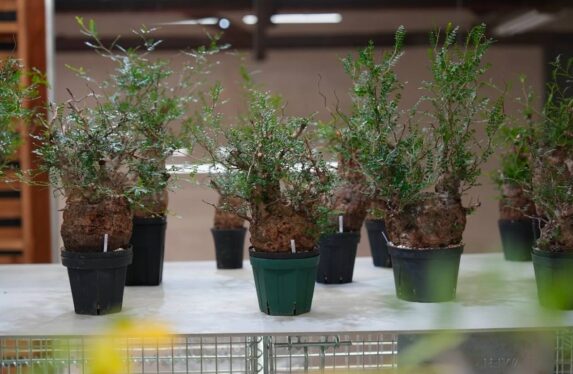
Overfertilizing can cause your plant to grow too quickly and lead to weak, leggy stems. It’s important to use the right amount of fertilizer to support steady, healthy growth.
Propagating Caudex Plants
If you want to propagate your caudex plant, several methods can be used, including stem cuttings, leaf cuttings, or even dividing the caudex itself. However, the easiest method depends on the species of plant you are working with.Buy your caudexplants at:caudexplants.com
Stem Cuttings for Propagation
To propagate your caudex plant through stem cuttings, choose a healthy, non-flowering stem and cut it cleanly using a sterilized knife or scissors. Allow the cutting to dry and callus over for 2-3 days before planting it in well-draining soil. Keep the cutting in a warm, bright location, and ensure the soil remains slightly moist until roots form.
Offsets or Root Division
Some caudex plants produce offsets or suckers around their base. These can be separated and planted in new pots. When dividing, be sure to cleanly separate the roots and transplant each part into its own pot with fresh soil.
Common Issues in Caudex Care
While caudex plants are generally easy to care for, there are a few common issues that might arise.
Overwatering and Root Rot
As mentioned, overwatering is a common problem with caudex plants. Always check the soil’s moisture level before watering, and make sure your plant is in a well-draining pot. If you notice any signs of root rot, such as mushy stems or a foul odor, remove the plant from the soil, trim away the affected roots, and repot the plant in fresh, dry soil.
Pests and Diseases
Caudex plants are relatively pest-resistant, but they can occasionally attract pests like mealybugs or spider mites. If you notice small, white cotton-like spots on your plant, you may have mealybugs. Use a cotton swab dipped in rubbing alcohol to wipe away the pests. For spider mites, try spraying your plant with a mixture of water and insecticidal soap.
Where to Buy Caudex Plants
If you’re looking to purchase caudex plants, specialty nurseries and online retailers are the best places to find these unique and fascinating plants. Be sure to buy from a reputable source to ensure you’re receiving healthy, well-established plants.
Conclusion: Master Caudex Care for Healthy, Thriving Plants
Proper caudex care is key to growing healthy, thriving plants. With their unique appearance and low maintenance, these plants make excellent additions to any home or garden. By following the tips and guidelines in this article, you can ensure your caudex plants continue to grow strong and beautiful for many years to come.
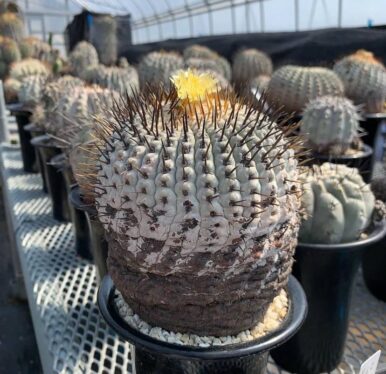
Discover expert tips on caudex care for thriving plants with swollen trunks. Learn how to properly water, soil, and maintain your caudex plants for optimal growth.visit the website :caudexplants.com
