- Your cart is empty
- Continue shopping
Shop
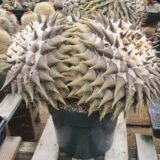
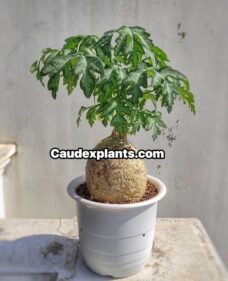
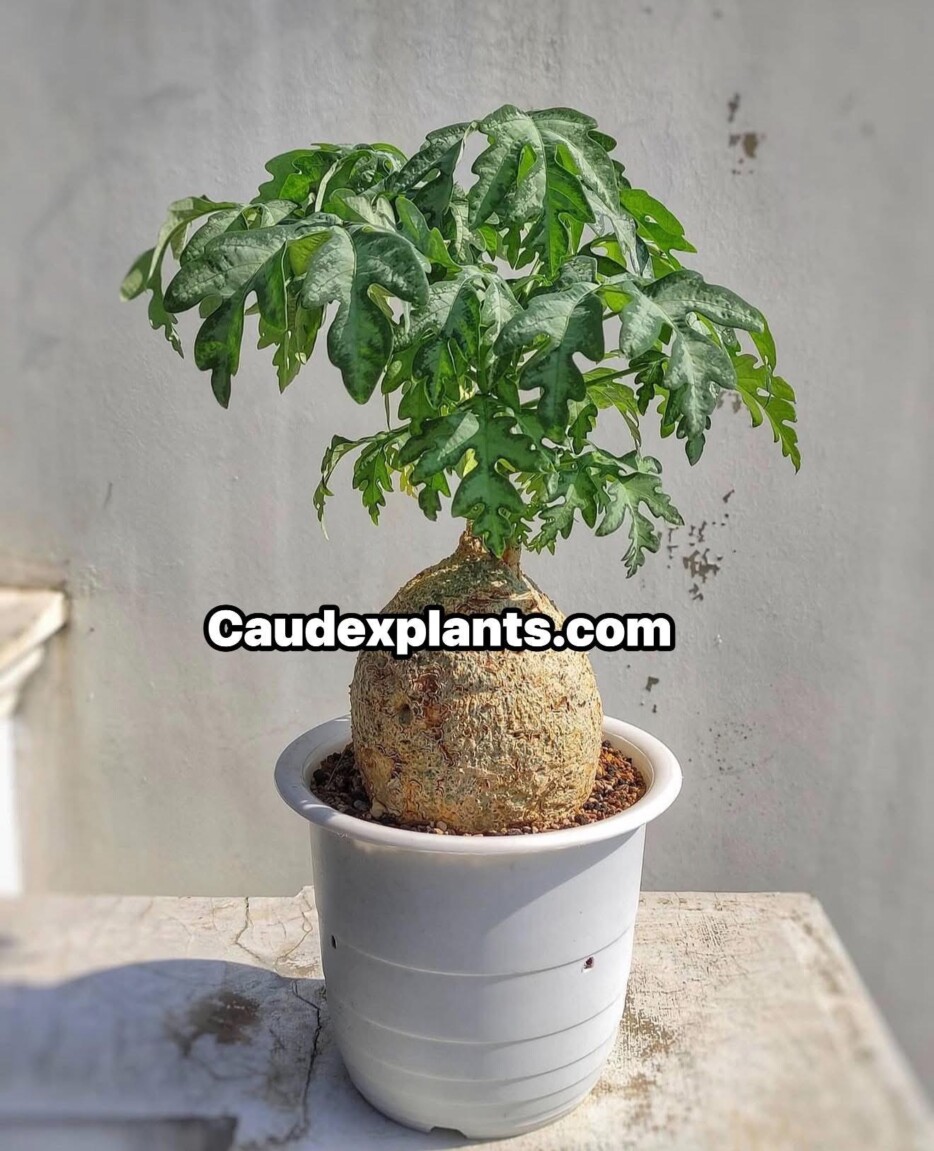
Adenia metamorpha
$100.00
Add to cart
Buy Now
Adenia Metamorpha:
The Remarkable Climbing Plant with Unique Botanical Value
Adenia metamorpha is one of the most fascinating and visually striking climbing plants found in tropical regions. Known for its powerful growth, unusual morphology, and ecological importance, adenia metamorpha has captured the attention of botanists, plant collectors, herbal enthusiasts, and gardeners across the world. This remarkable species belongs to the Passifloraceae family, the same botanical family that includes passionflower plants. However, adenia metamorpha stands apart because of its distinctive growth pattern, striking foliage, and incredible adaptability in diverse environments.
The natural beauty and botanical uniqueness of adenia metamorpha make it a valuable species for plant enthusiasts and collectors who appreciate rare and exotic plants. Its ability to grow vigorously while maintaining a sculptural and artistic form adds significant ornamental value. In addition, the plant has long been recognized in traditional practices where it is valued for its natural compounds and ecological significance.
Understanding the characteristics, habitat, cultivation requirements, and benefits of adenia metamorpha can help plant enthusiasts and gardeners appreciate this plant even more. Whether you are researching tropical plants, searching for rare botanical species, or looking for an unusual climber for your garden, adenia metamorpha offers a fascinating combination of beauty, resilience, and botanical intrigue.
Botanical Overview of Adenia Metamorpha
Adenia metamorpha is a perennial climbing plant that thrives in warm climates. It typically grows as a vigorous vine that can climb trees, shrubs, and other natural supports in its environment. The plant is known for its dynamic growth behavior, allowing it to adapt to surrounding structures as it develops.
The stems of adenia metamorpha are flexible yet strong, enabling the plant to climb efficiently. As the vine grows, it forms a complex network of branches that create a dense and visually appealing structure. This growth pattern allows the plant to maximize sunlight exposure while competing successfully with surrounding vegetation.
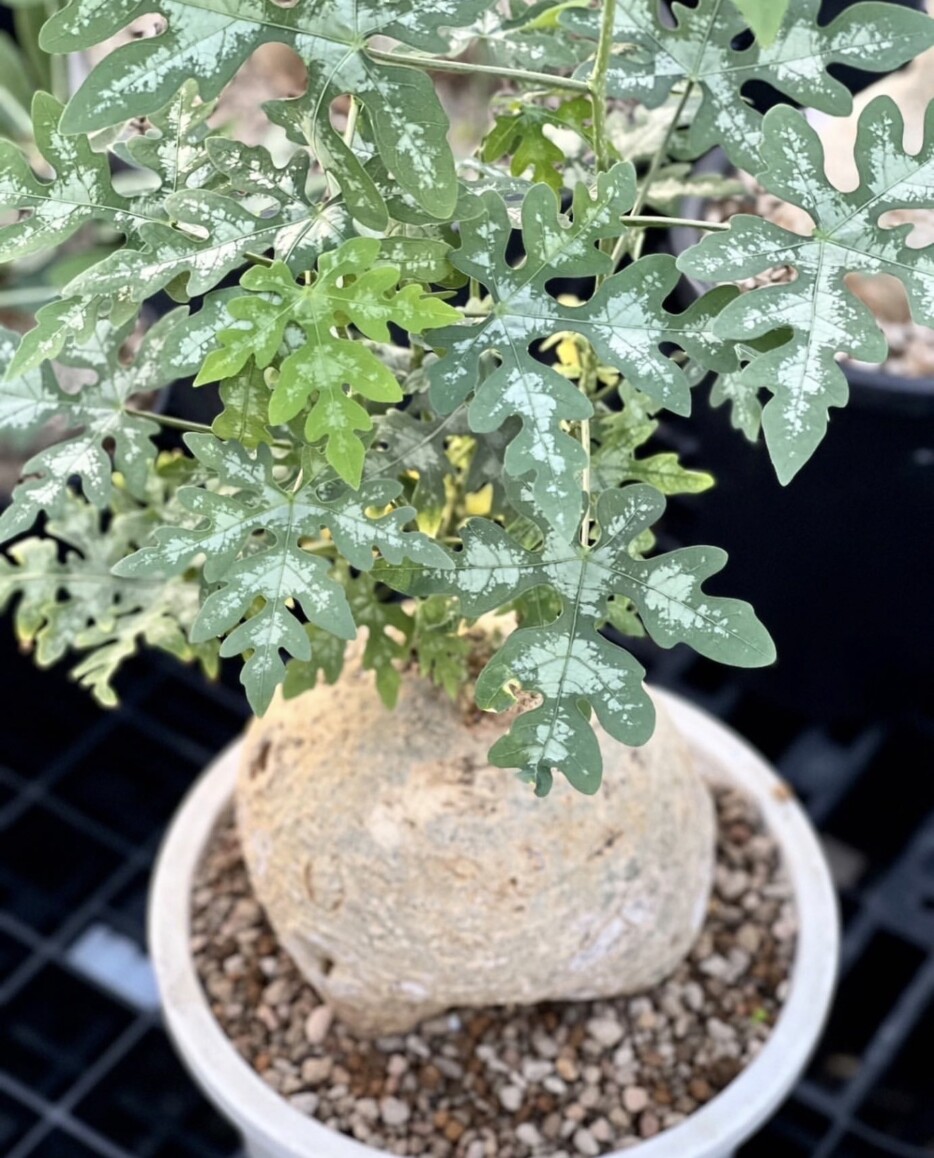
The leaves of adenia metamorpha are another remarkable feature. They are typically broad, lush, and vibrant green, contributing to the plant’s striking appearance. The foliage often displays interesting shapes and patterns, making the plant visually appealing both in natural habitats and cultivated environments.
The flowers of adenia metamorpha are relatively small but add a delicate beauty to the plant. These flowers may vary in color depending on environmental conditions and plant maturity. While the flowers themselves may not be as showy as those of some ornamental species, they play an essential role in the plant’s reproductive cycle and ecological interactions.
Natural Habitat and Distribution
Adenia metamorpha is naturally found in tropical and subtropical regions where warm temperatures and seasonal rainfall support its vigorous growth. The plant thrives in environments where sunlight is abundant but where some protection from extreme conditions is available.
In the wild, adenia metamorpha often grows in forest edges, woodland areas, and regions where climbing plants can easily attach to trees and shrubs. Its climbing habit allows it to reach higher areas of the forest canopy, where sunlight is more available. This strategy enables the plant to compete effectively with other vegetation.
The adaptability of adenia metamorpha is one of its greatest strengths. It can grow in various soil types as long as the soil provides adequate drainage and nutrients. This flexibility allows the plant to establish itself in different ecological zones while maintaining healthy growth.
In tropical regions, adenia metamorpha contributes to biodiversity by supporting local ecosystems. The plant provides shelter and food sources for insects and small animals, making it an important component of the natural environment.
Unique Characteristics of Adenia Metamorpha
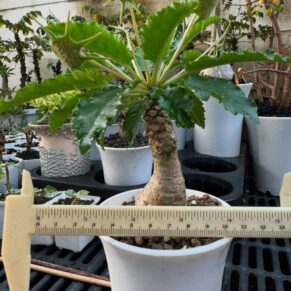
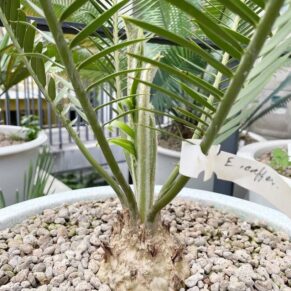
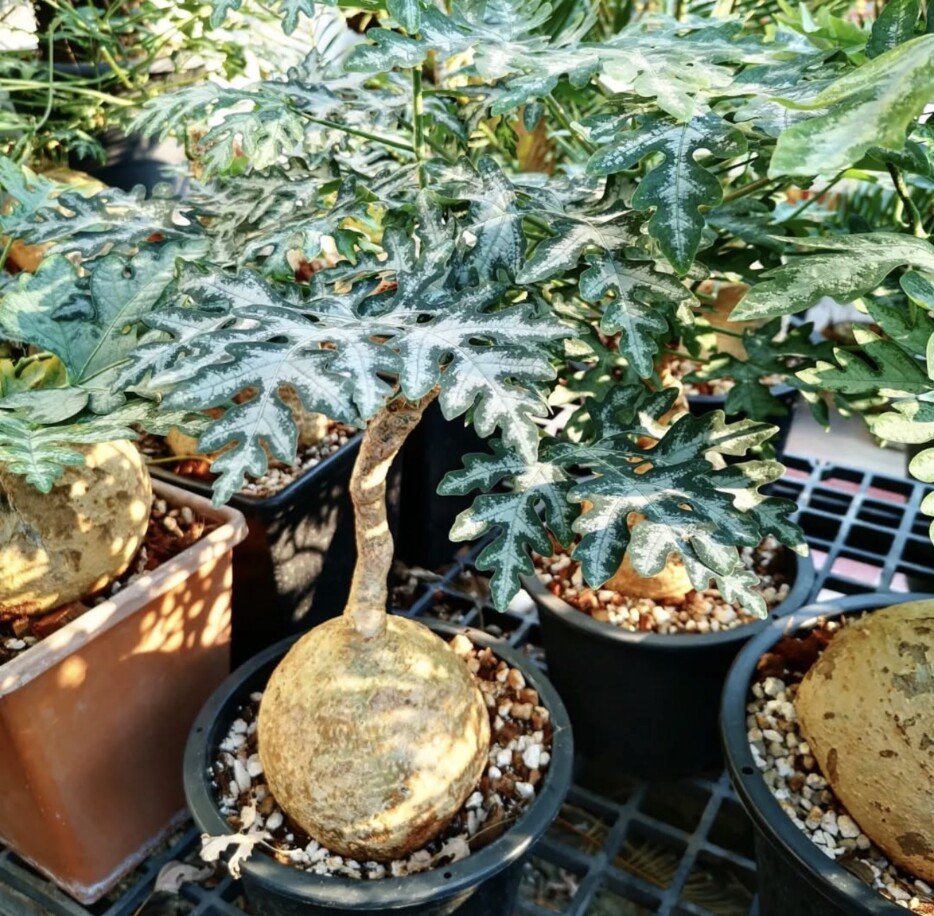
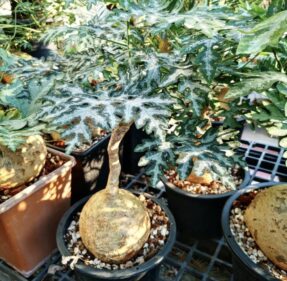
One of the reasons adenia metamorpha has attracted attention from botanists and collectors is its unique combination of structural features. Unlike many ordinary climbing plants, adenia metamorpha often develops thickened stems or base structures that give it a sculptural appearance.
This unusual structure gives the plant an almost artistic form, making it particularly attractive to collectors who appreciate rare botanical specimens. The plant’s growth habit allows it to transform its appearance as it matures, creating new shapes and patterns over time.
Another fascinating characteristic of adenia metamorpha is its resilience. The plant can tolerate short periods of drought once established, although it prefers consistent moisture during active growth. This resilience allows it to survive in environments where conditions may fluctuate.
The plant’s ability to adapt its growth patterns based on surrounding conditions is another reason why it is called “metamorpha,” which suggests transformation or change. As the plant grows, it modifies its structure and branching to suit the environment, making every specimen unique.
Ecological Importance
Adenia metamorpha plays an important role in the ecosystems where it naturally occurs. As a climbing plant, it contributes to forest structure by connecting different layers of vegetation. This connection creates habitats for insects, birds, and small animals.
The flowers of adenia metamorpha attract pollinators such as bees and other insects. These pollinators help ensure the plant’s reproduction while also supporting broader ecological processes within the environment.
Additionally, the plant contributes to soil health by participating in nutrient cycling. As leaves fall and decompose, they enrich the soil with organic matter. This process supports the growth of surrounding plants and maintains ecosystem balance.
Because of its ecological value, adenia metamorpha is considered an important species in the natural habitats where it grows.
Cultivation and Growing Conditions
For plant enthusiasts interested in growing adenia metamorpha, understanding its basic cultivation requirements is essential. Fortunately, the plant can be grown successfully in suitable climates or controlled environments such as greenhouses.
Climate Requirements
Adenia metamorpha prefers warm temperatures and moderate humidity. Tropical and subtropical climates provide ideal conditions for healthy growth. In cooler regions, the plant may need protection from cold temperatures or may be grown indoors.
Soil Conditions
The plant grows best in well-drained soil that contains organic matter. Good drainage is particularly important because excessive water retention can affect root health. A balanced soil mixture helps ensure that the plant receives the nutrients it needs.
Sunlight Needs
Adenia metamorpha thrives in bright light conditions. Partial sunlight or filtered sunlight often produces the best growth results. While the plant can tolerate direct sunlight, extremely intense sun exposure may require some shade protection.
Watering
Regular watering supports healthy growth, especially during the active growing season. However, the soil should not remain waterlogged. Allowing the top layer of soil to dry slightly between watering sessions helps maintain optimal moisture balance.
Support Structures
Because adenia is a climbing plant, providing a support structure is essential. Trellises, fences, or natural tree supports allow the plant to climb and develop its characteristic growth pattern.
Ornamental Value
One of the most compelling reasons people grow adenia metamorpha is its ornamental appeal. The plant’s sculptural form and lush foliage create a dramatic visual effect in gardens and landscapes.
Garden designers often appreciate the vertical growth of climbing plants because they add depth and structure to outdoor spaces. Adenia metamorpha can transform walls, trellises, and garden structures into vibrant living features.
Collectors of rare plants also value for its uniqueness. Each plant develops a slightly different shape as it matures, giving collectors the opportunity to cultivate truly one-of-a-kind specimens.
The plant’s dynamic growth habit also makes it suitable for botanical gardens and specialty plant collections where unusual species are displayed.
Care and Maintenance
Maintaining healthy adenia plants requires regular observation and care. While the plant is relatively resilient, certain practices can promote stronger growth.
Pruning may be used to guide the plant’s growth and maintain its desired shape. Removing damaged or excessive branches helps improve airflow and encourages new growth.
Fertilization during the growing season can support vigorous development. Balanced plant nutrients provide essential elements that help the plant maintain lush foliage and strong stems.
Monitoring the plant for environmental stress is also important. Providing proper watering, adequate sunlight, and stable temperatures will help ensure long-term health.
Potential Uses and Cultural Significance
In various regions where adenia grows naturally, the plant has been recognized for its cultural and traditional significance. Local communities have historically observed and utilized plants within their environments for practical purposes.
While modern botanical research continues to study the properties of many tropical plants, adenia metamorpha remains an intriguing species due to its complex chemistry and natural compounds.
Beyond traditional uses, the plant’s aesthetic qualities have made it popular among collectors and horticultural enthusiasts who value rare botanical species.
Why Adenia Metamorpha Is Gaining Global Interest
In recent years, interest in rare and unusual plants has increased significantly. Plant collectors, botanical researchers, and garden enthusiasts are constantly searching for species that offer something unique.
Adenia stands out because it combines several desirable characteristics:
-
Rare botanical identity
-
Unique growth structure
-
Strong adaptability
-
Ornamental beauty
-
Ecological importance
These features make the plant particularly attractive to people who appreciate exotic plants and sustainable gardening practices.
As awareness of biodiversity grows, plants like adenia are gaining recognition not only for their beauty but also for their role in maintaining ecological balance.
The Future of Adenia Metamorpha in Horticulture
The future of a metamorpha in horticulture looks promising. As more gardeners explore tropical plants and rare botanical specimens, interest in species like this continues to expand.
Botanical gardens and plant conservation organizations are also recognizing the importance of preserving diverse plant species. Cultivating metamorpha in controlled environments helps ensure that the plant remains available for study, appreciation, and conservation.
For gardeners seeking something extraordinary, adenia metamorpha offers a plant that is both visually captivating and botanically fascinating.