- Your cart is empty
- Continue shopping
Shop
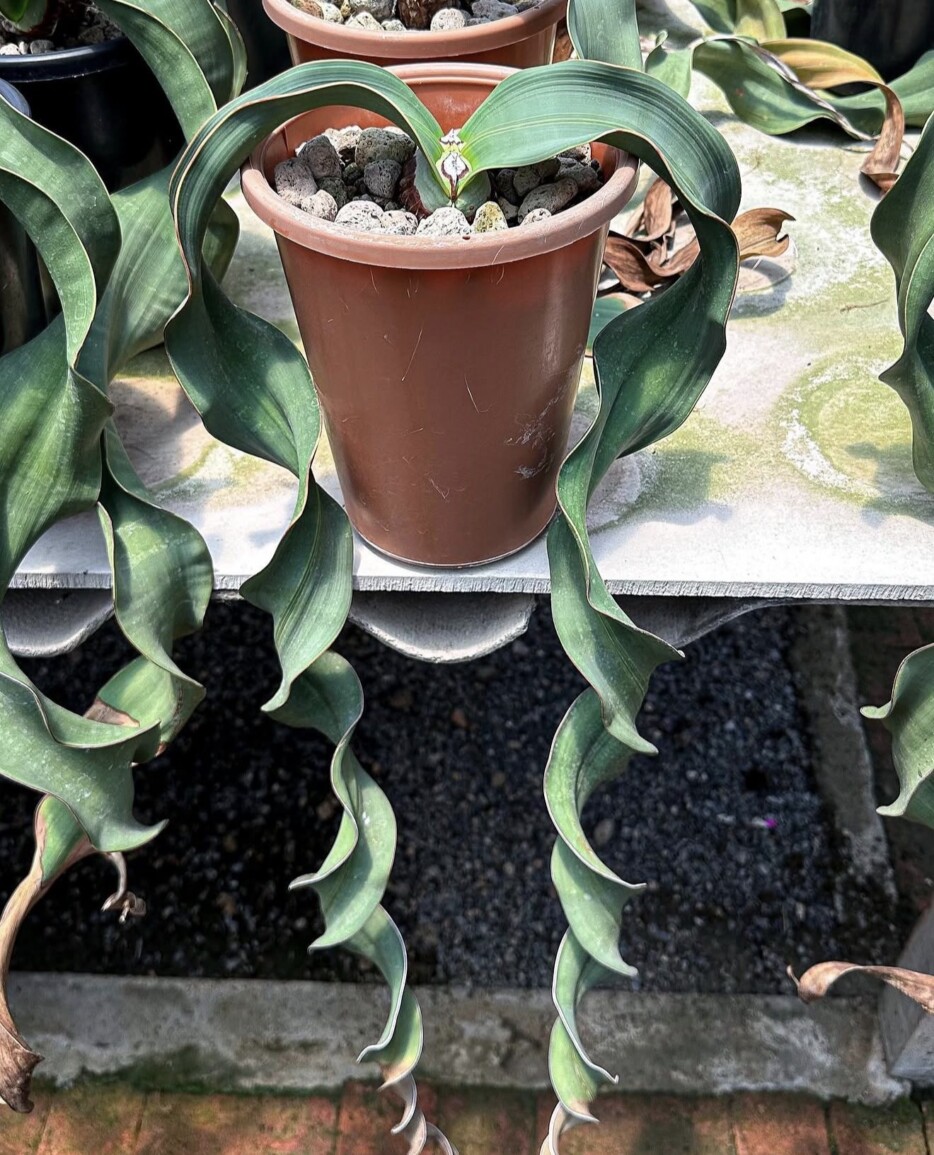
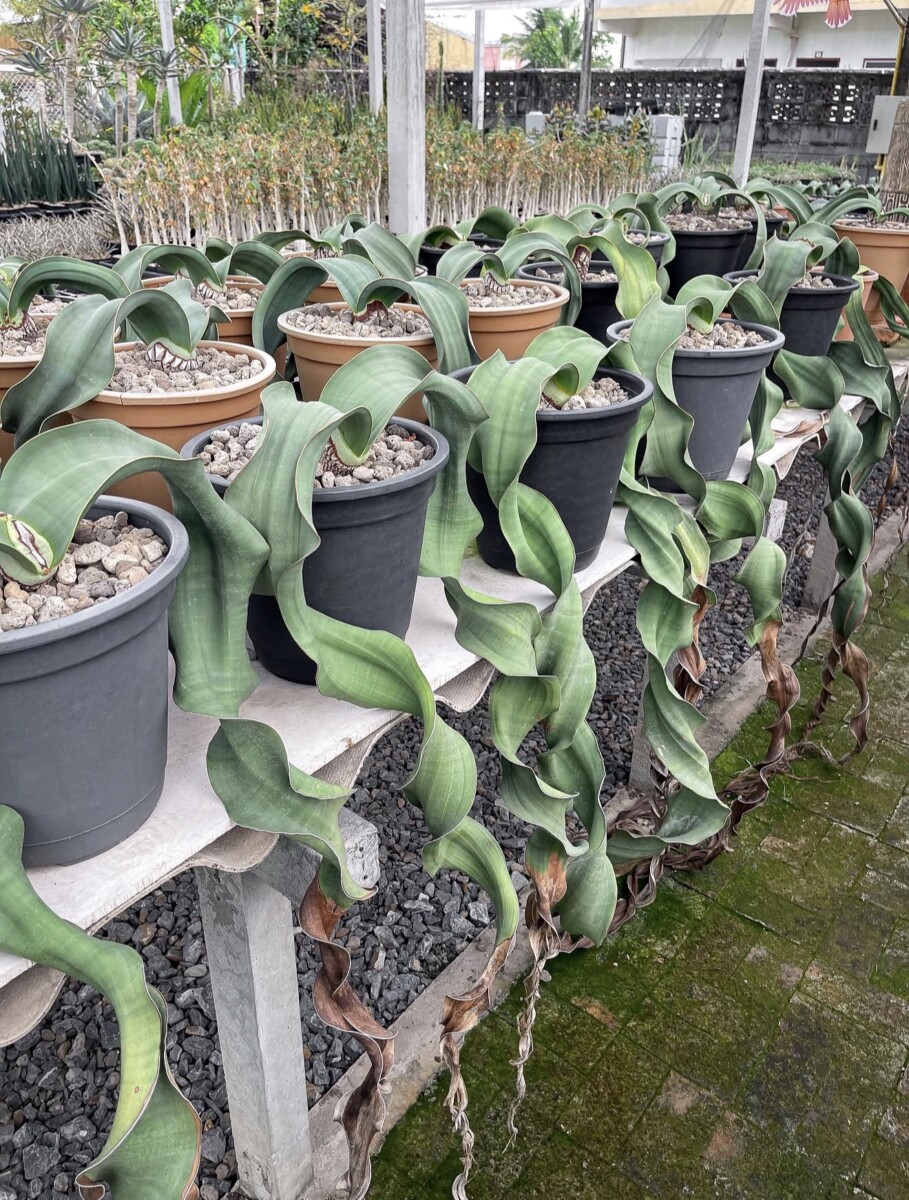
Welwitschia mirabilis
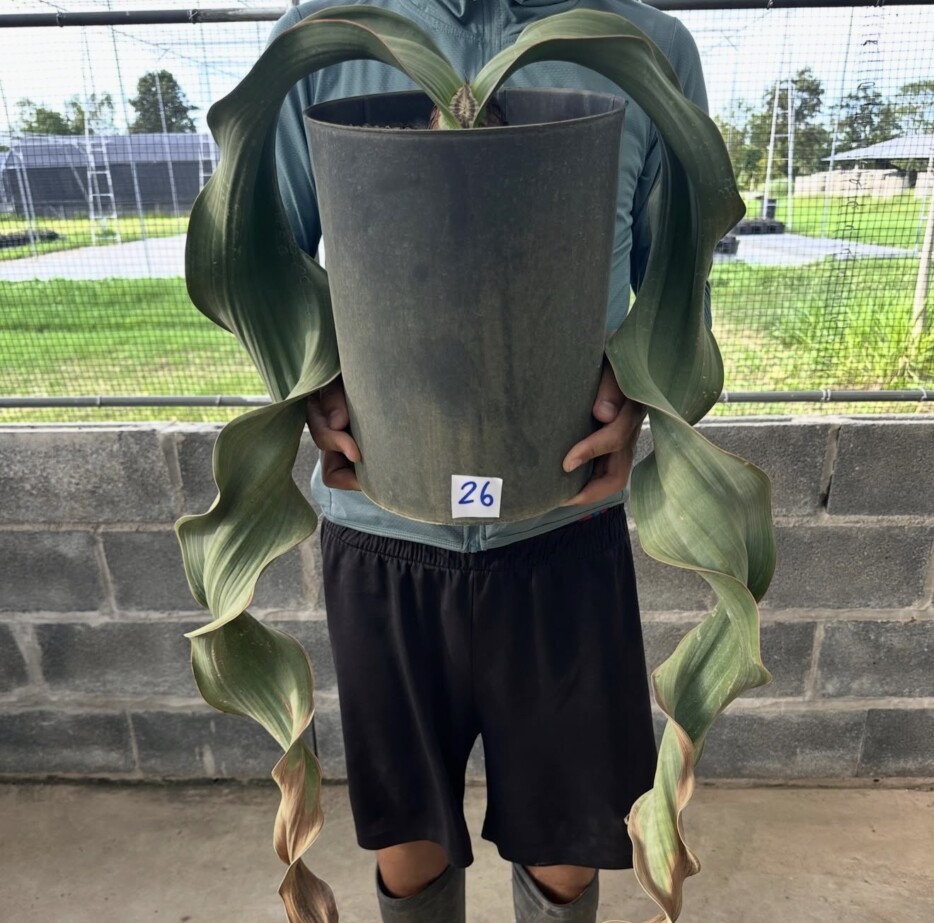
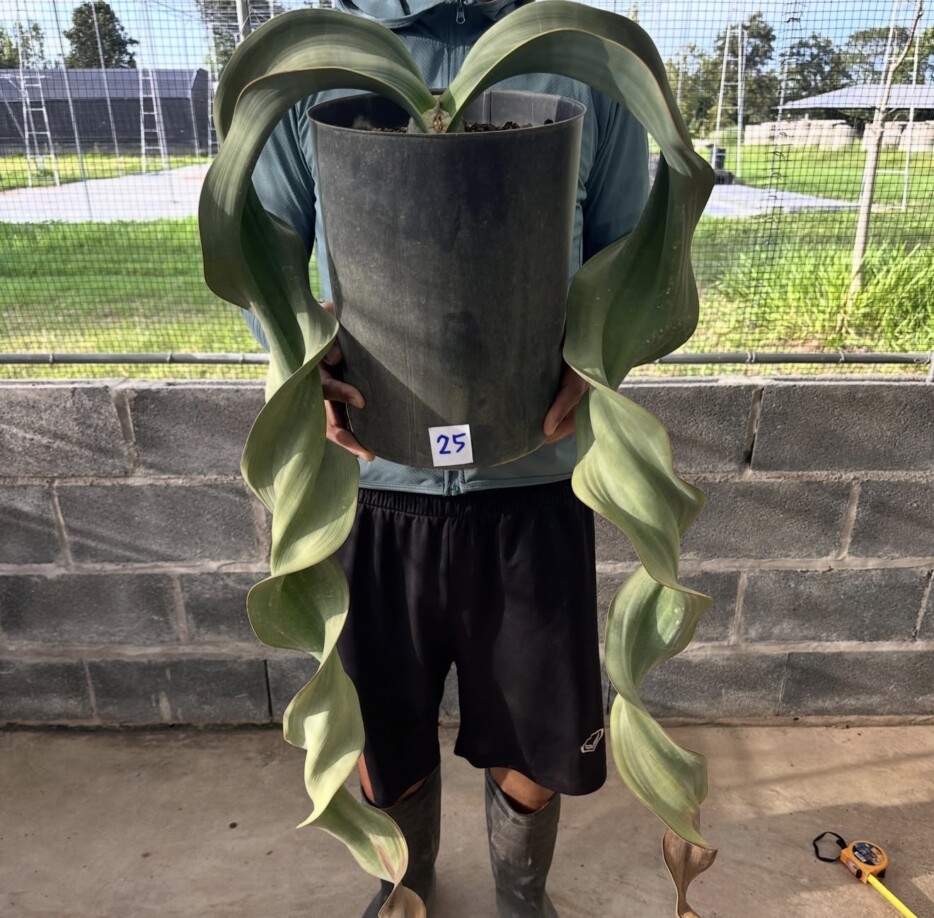
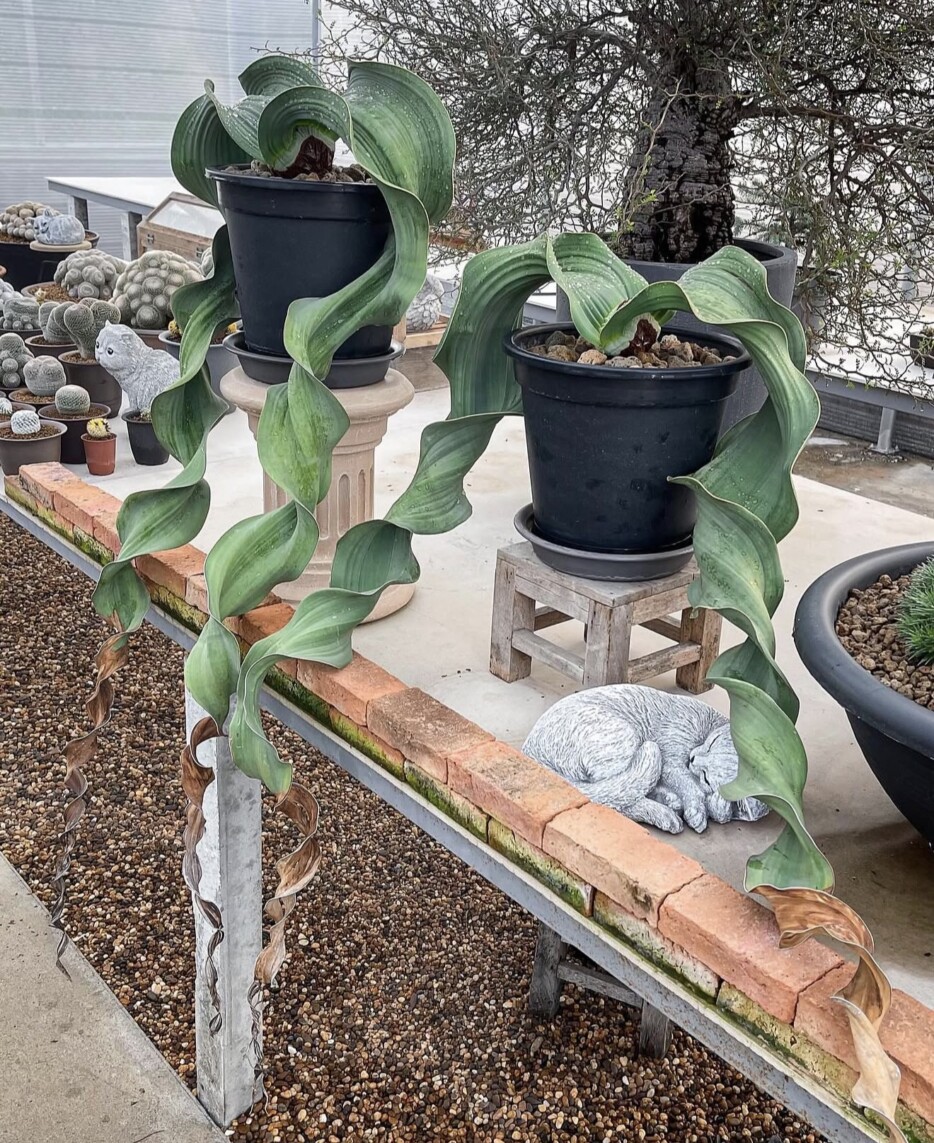
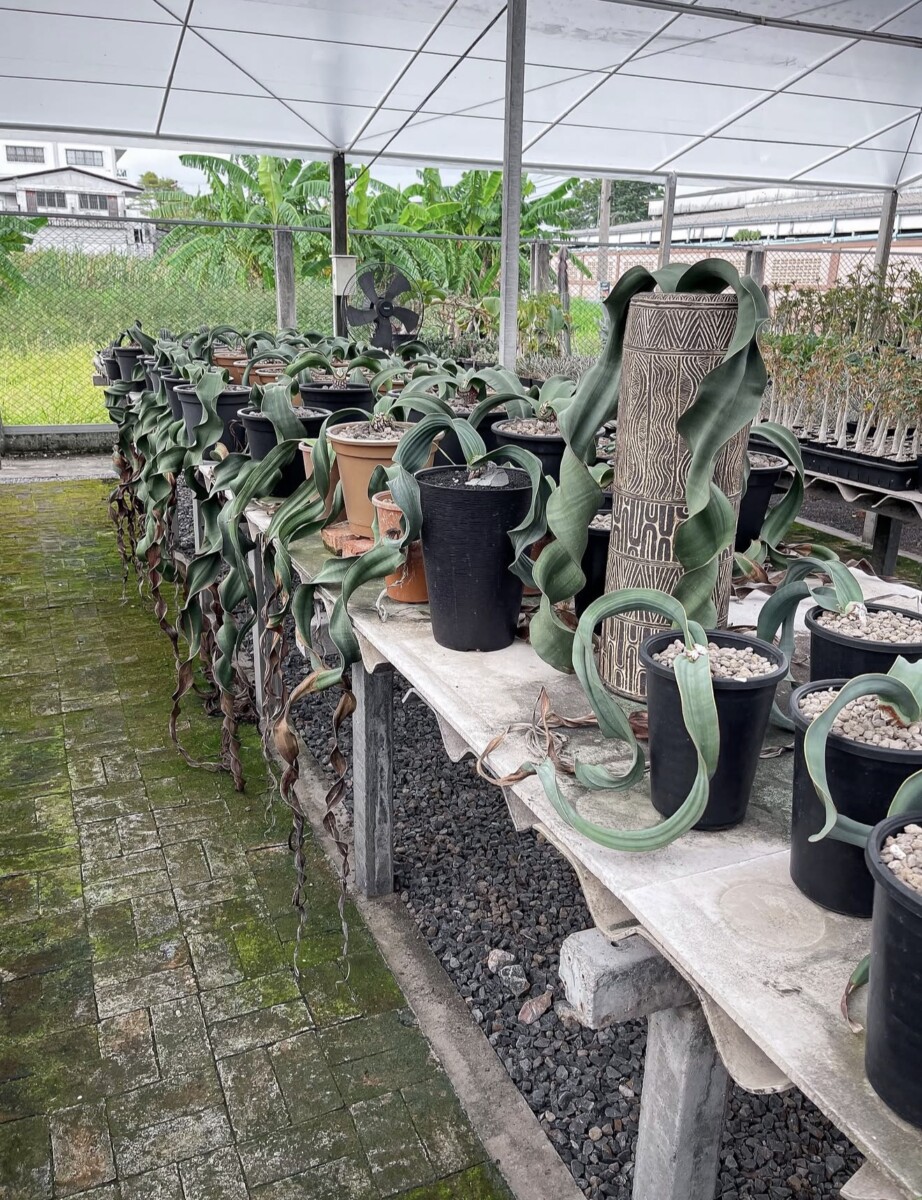
$300.00
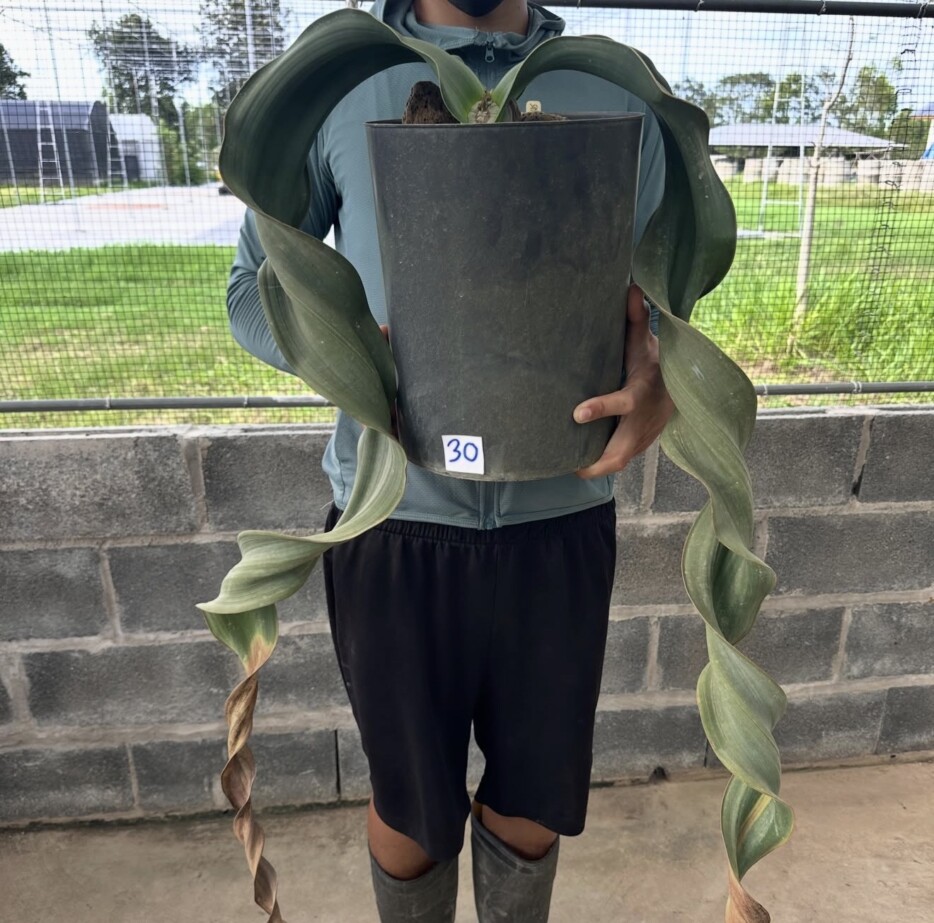
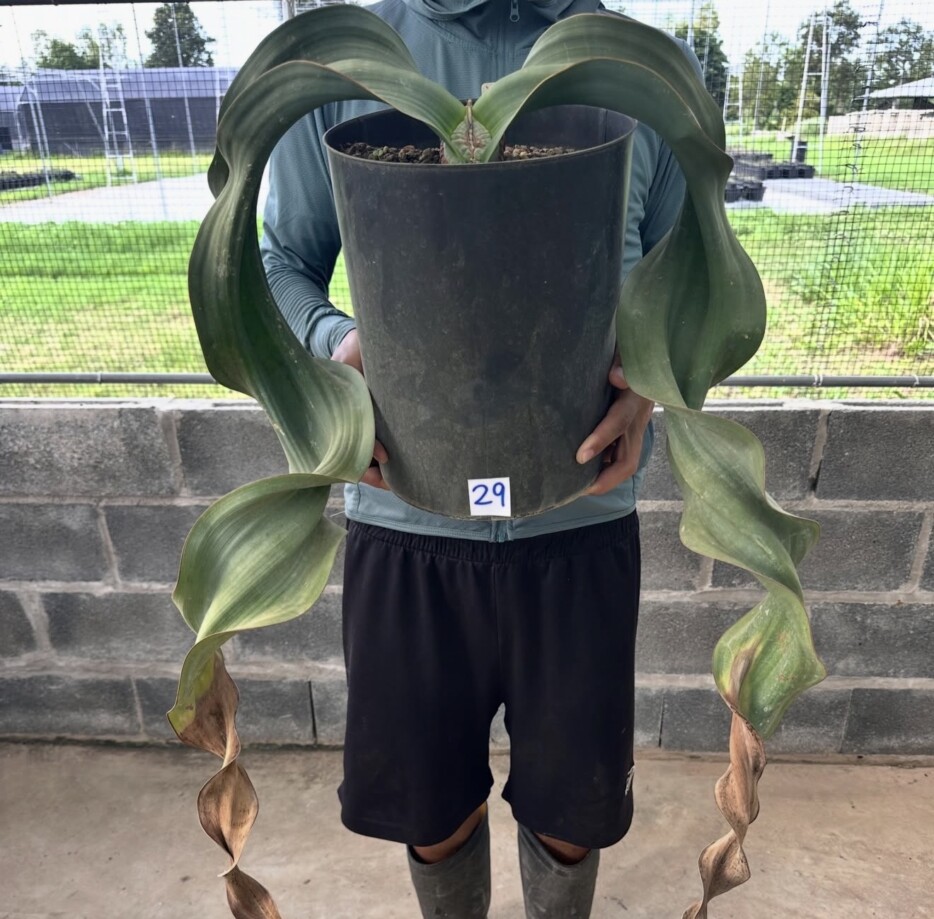
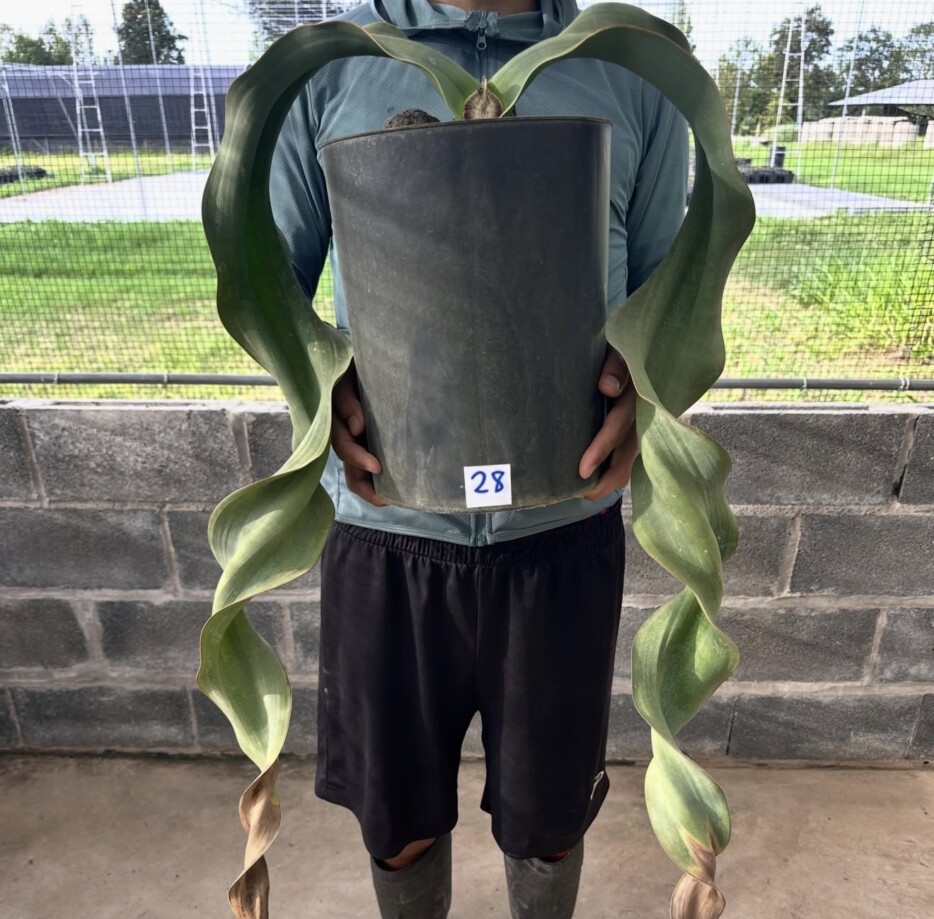
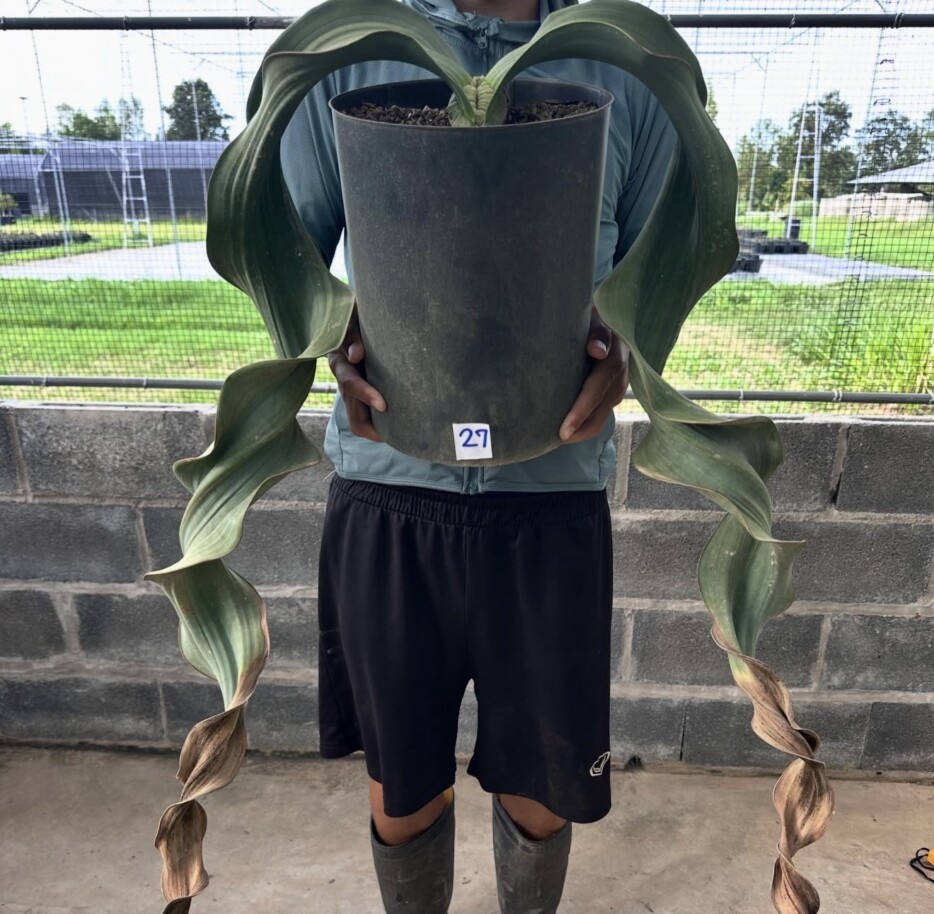
Discover the unique Welwitschia mirabilis, a rare desert plant native to Namibia and Angola, known for its incredible longevity and resilience.
Availability:22 in stock
Add to cart
Buy Now
Welwitschia mirabilis – The Timeless Enigma of the Namib
1. Intro
Welwitschia mirabilis stands unmatched in the plant kingdom—an ancient survivor, a botanical relic, a living fossil reaching back to the Jurassic era. With only two ever-growing leaves sprawling across the desert floor, a stout stem, and a remarkable lifespan that can exceed a millennium, this gymnosperm symbolizes endurance, mystery, and adaptation. If you’re interested in rare and unusual caudex and collector plants, you may also enjoy species such as Pachypodium gracilius, Elephantorrhiza elephantina, and Encephalartos horridus.” pachypodium gracillius , ,Encephalartos horridus ,Elephantorrhiza elephamtina .
Explore our collection of rare caudex plants at caudexplants.com
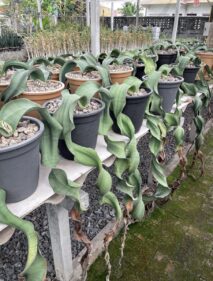
2. Evolutionary Marvel
As the lone survivor of the family Welwitschiaceae and the order Welwitschiales, Welwitschia mirabilis occupies a singular position in evolutionary history. It belongs to the gnetophyte group, standing alongside just two other genera—Gnetum and Ephedra. It offers an invaluable evolutionary bridge between conifers, cycads, and flowering plants. Its ancient lineage and unique traits make it a living testament to plant evolution.Its name pays homage to Friedrich Welwitsch, the Austrian botanist who first documented the species in Angola in 1859 Wikipedia+1.
3. Unique Form and Growth
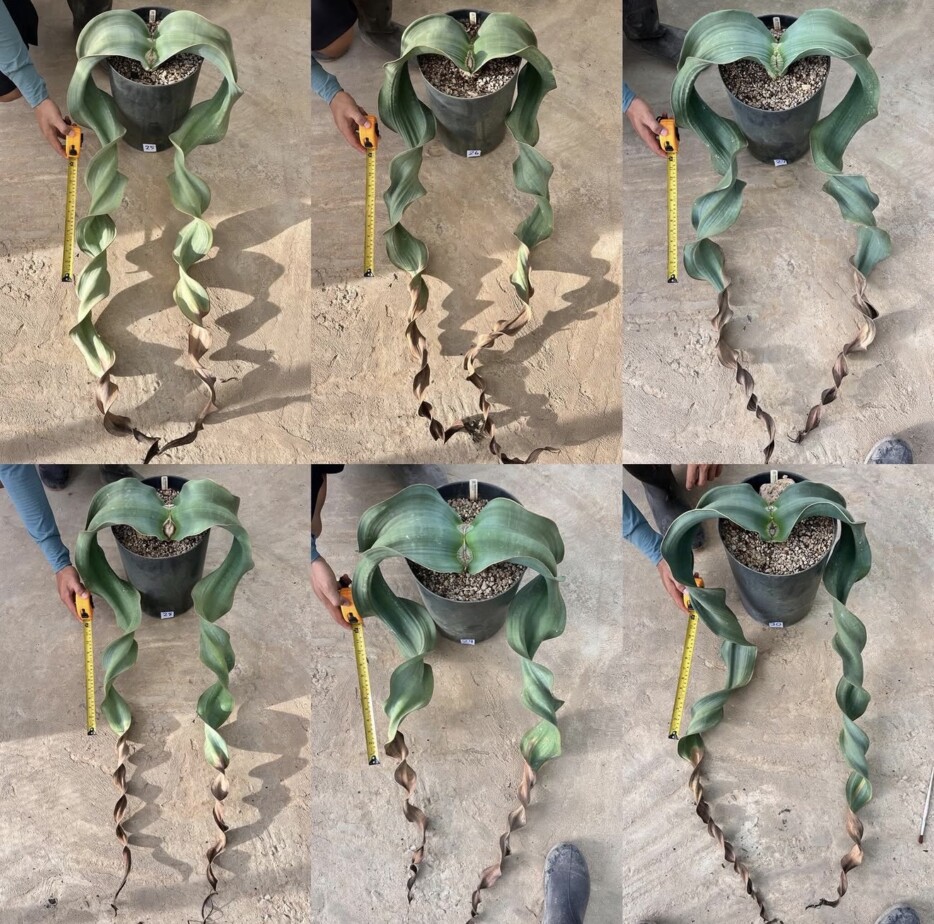
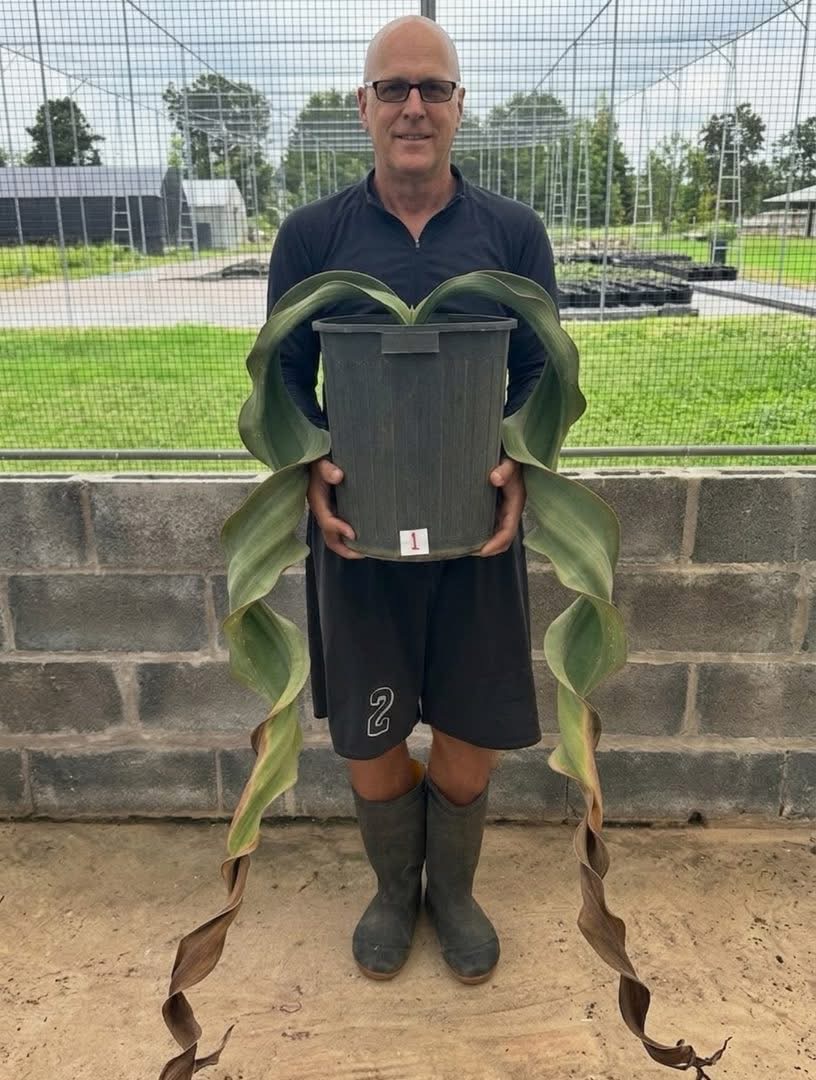
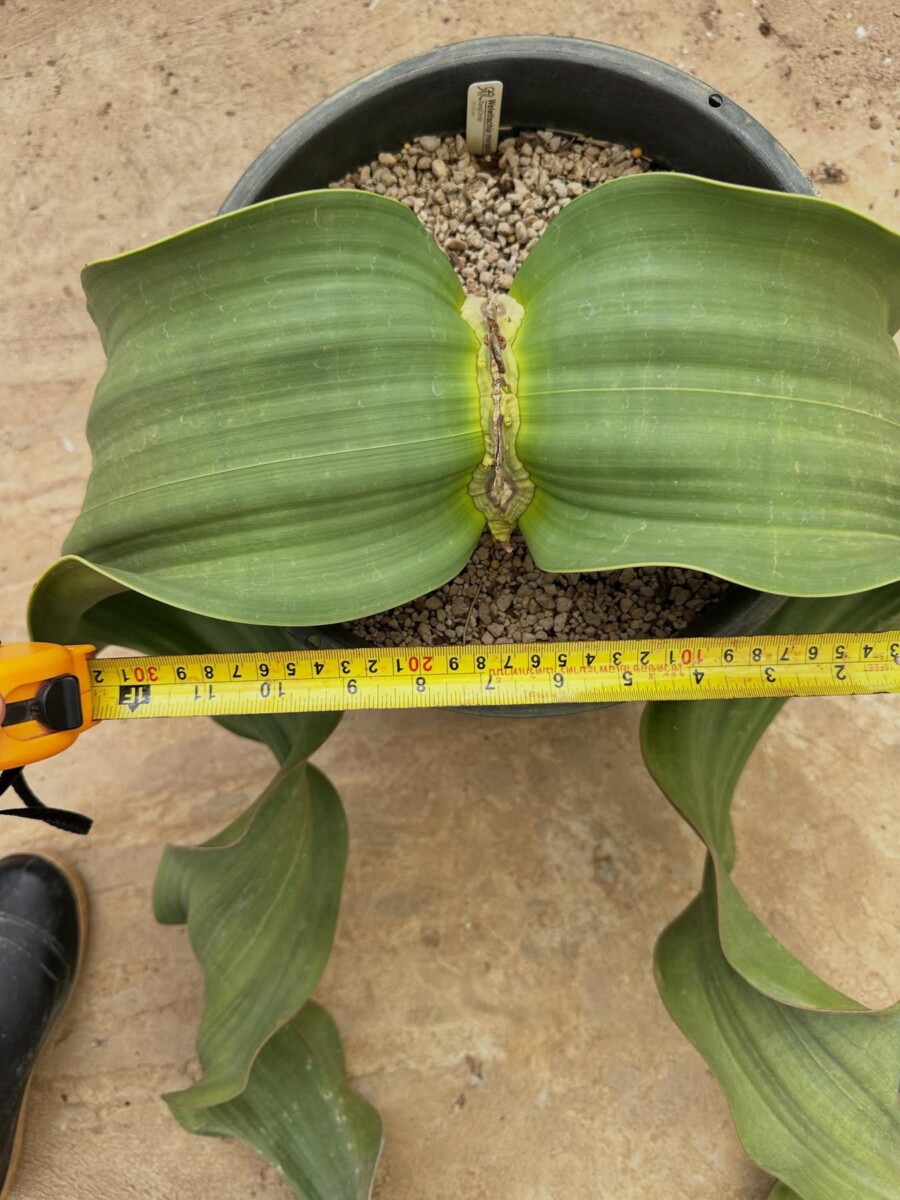
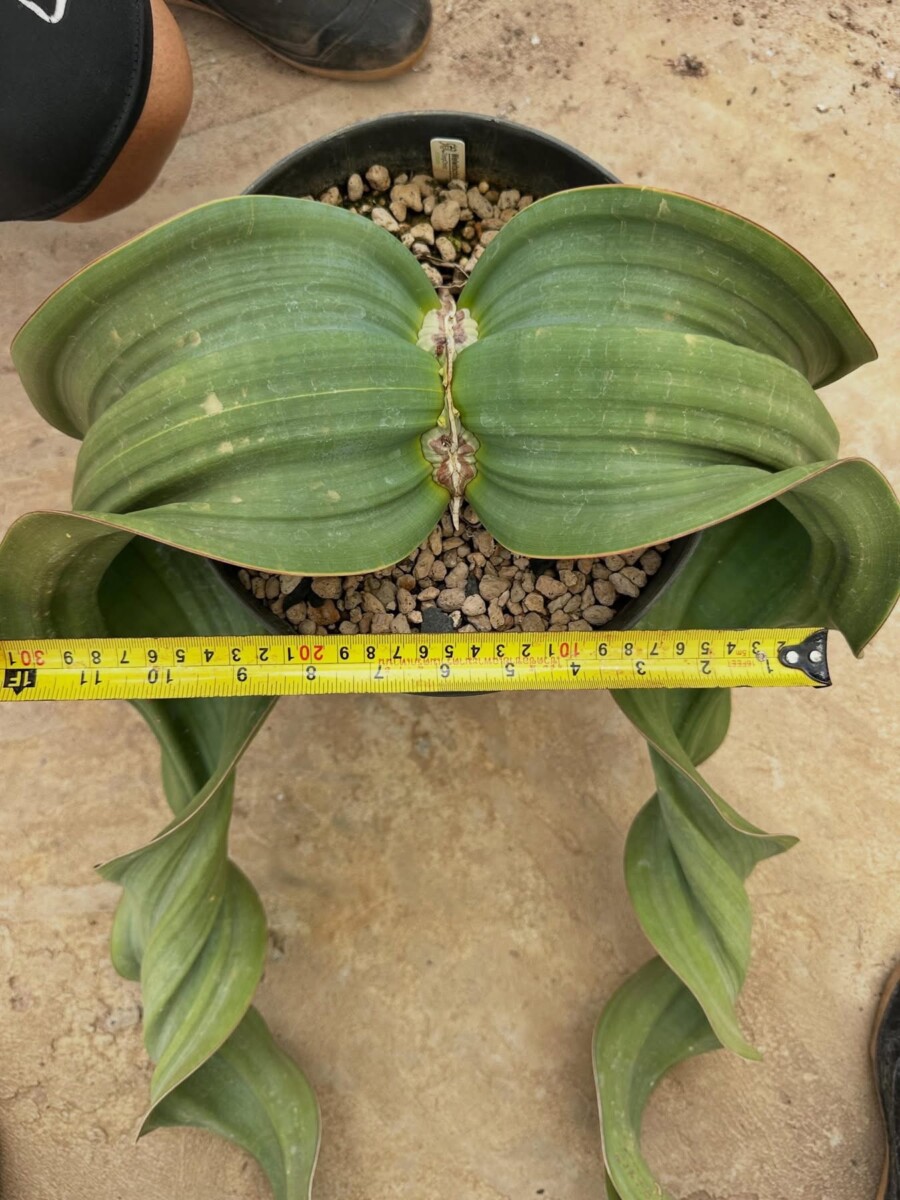
Unlike any other. Welwitschia mirabilis produces just two leaves in its lifetime—leaves that emerge from a basal meristem and continue growing, fraying, and splitting endlessly across centuries. These leathery, ribbon-like leaves can stretch several meters over time, turning the plant into a living tapestry of persistence.
The stem is short, stout, and often described as inverted-conical or low and woody—donning the appearance of a truncated caudex that defies expectations 4. Fraught Habitat and Survival
Endemic to a narrow, arid strip along the coastlines of Namibia and Angola, Welwitschia mirabilis thrives in one of Earth’s harshest environments. This hostile landscape, with negligible rainfall and intense heat, is defied by the plant’s extraordinary adaptations.
The key to its survival lies in coastal fog that rolls in from the Atlantic. This fog provides critical moisture, absorbed both by the leaves through numerous stomata and by the ground below. In some locations, fog contributes significantly more water to the ecosystem than actual rainfall It also deploys a deep taproot—sometimes extending more than 30 feet—along with a fibrous root network to capture groundwater and surface moisture
5. Adaptations to Aridity
Its evolutionary ingenuity doesn’t stop there. Welwitschia mirabilis regulates stomatal opening, often keeping them closed during the hot daytime to minimize water loss and opening them at night to optimize gas exchange. There are indications it may employ a form of CAM (Crassulacean Acid Metabolism), a water-conserving photosynthetic strategy atypical for gymnosperms .
The split and frayed leaves also serve to shield the plant’s base, reducing exposure and moisture loss while creating microhabitats under their shade
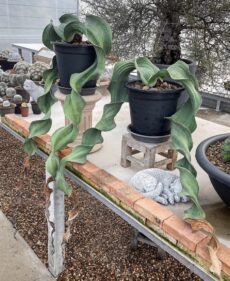
6. Longevity and Growth Dynamics
Extraordinary longevity is at the core of everything about Welwitschia. While many plants rarely survive beyond decades, individual specimens here live for centuries—commonly 400 to 600 years, and in rare cases, over 1,000 or even 2,000 years Growth is intentionally slow—these plants may expand by just a few inches per year, but through steadfast accumulation, they reach massive proportions, with leaves laying flat or twisted across the desert surface 7. Reproduction and Pollination
Welwitschia mirabilis is dioecious, meaning male and female cones are produced on separate plants. Male cones release pollen while female cones bear seeds. Unlike many cone-bearing plants, pollination here is largely facilitated by insects—flies, beetles, wasps—attracted by the sugary nectar produced by the cones Once pollinated, female cones take around nine months to mature, eventually releasing winged seeds that disperse in the wind. However, successful germination is rare in the barren landscape, where fungi, animals, and scarcity of suitable sites limit recruitment 8. Ecological Role caudexplants
Even in the barren expanse of the Namib, Welwitschia plays an outsized role. Its leaves collect moisture; its shade and structure create microhabitats; its edible cones and inner cork serve local communities. For indigenous peoples such as the Damara and Herero, seeds are a source of food—eaten raw, roasted, or baked. Younger plants yield cork used as fuel Wildlife, too, depends on it: zebras, oryx, and black rhinos nibble its leaves for hydration and nutrients during extreme droughts. Despite heavy feeding, the plant cleverly regrows, thanks to the protective positioning of its meristem
9. Conservation and Threats
While not currently endangered, Welwitschia mirabilis faces long‑term risks. Its limited geographic range and low reproduction rates make it vulnerable. Future threats include climate change, habitat disturbance, disease, and overgrazing. Invasive fungal infections, particularly in female cones, further compromise seed viability
Populations in Angola benefit from an unusual barrier: landmines leftover from civil war deter collectors, offering inadvertent protection. International trade is controlled under CITES regulations WikipediaReddit.
10. Cultivation: Bringing Welwitschia Home
Bringing Welwitschia mirabilis into cultivation is no easy feat—but for passionate growers, it’s a pinnacle trophy. Seed germination requires careful preparation: using sterile, gritty, well-draining media; removing seed wings to reduce fungal risk; and occasionally applying mild fungicides .
Deep pots (≥30 cm) are recommended to accommodate taproots, though generous width can also suffice. Water sparingly—mimic fog and rare rain events, never saturating. Once established, plants need minimal fertilization due to their slow desert-adapted metabolism Botanical conservatories have successfully propagated Welwitschia by hand-pollinating mature plants and washing seeds carefully. Unique specimens—variegated, single-leafed, or multi-headed—have emerged from meticulous care
11. Symbolism, Cultural Significance, and Inspiration
Beyond its biological wonder, Welwitschia mirabilis holds cultural and symbolic power. It features on the national coat of arms of Namibia, exemplifying endurance and the spirit of resilience
Its surreal form and timeless presence inspire art, science, and awe. To the curious, it’s not just a plant—but a bridge across eons, a teacher of perseverance, and a symbol of life’s tenacity in the unforgiving.
12. Why Welwitschia mirabilis Belongs at caudexplants.com
Your site, caudexplants.com, is devoted to the beauty and intrigue of caudiciform plants—those with swollen stems or caudices that evoke images of resilience and longevity. Welwitschia mirabilis embodies this ethos more profoundly than any other.
-
Singularity: The only species in its genus—and the sole remnant of its lineage—it stands alone in botanical rarity.
-
Ancient Presence: Its roots connect us to the Jurassic. Its leaves speak of centuries.
-
Adaptation: It survives where nothing else endures; its design is pure function and tenacity.
-
Cultural Wealth: Embedded in the fabric of desert communities and national identity.
-
Cultivation Challenge: For caudiciform hobbyists, it offers one of the boldest challenges—and the most rewarding.
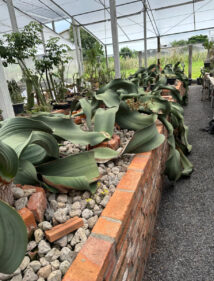 remarkable.
Customer reviews
Reviews
There are no reviews yet.
Only logged in customers who have purchased this product may leave a review.